 Mollyn Nakabea
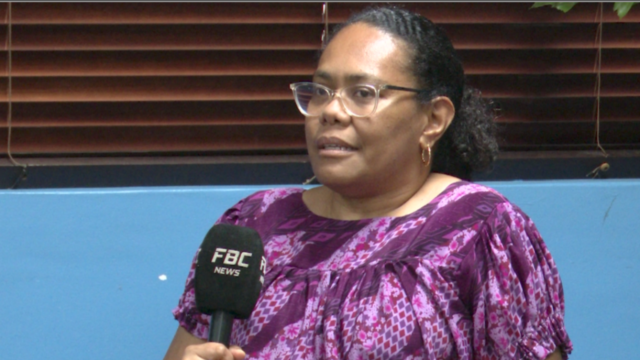
[Photo: File]
Women can become victims of image-based abuse even without ever sharing an intimate image of themselves.
The issue was raised during a forum examining technology-facilitated gender-based violence and its impact on women’s participation in elections.
Online Safety Commission prosecutor Joshua Singh says the Commission has so far received 88 image-based abuse cases.
Singh says artificial intelligence is creating new ways for perpetrators to manipulate ordinary images.
“So not necessarily you have to send your intimate images to the other party for you to become a victim. Perpetrators can use AI to alter your images, to doctor your images and make it look like as if you were in a compromising situation or position and they can then upload those images on the internet or they can send it to you and they can extort money out of you”
Singh says another major challenge is delayed reporting from complainants, as online content could be removed before they have the opportunity to take it as evidence.
“Let’s say, for example, if a post is up on Facebook, say, end of August, you saw it end of August, but then you just forgot about it, right? But by the time you lodge a report to the Online Safety Commission, to the police, whoever the perpetrator is removes the post from Facebook. Right? So by the time you report to us, the evidence is gone.
The Commission is urging people to preserve evidence as soon as they encounter abusive content.
This includes taking screenshots or screen recordings, copying the link to the post and saving the material before reporting it to authorities.
Singh adds early preservation of evidence allows authorities to act more quickly.