 Litia Cava
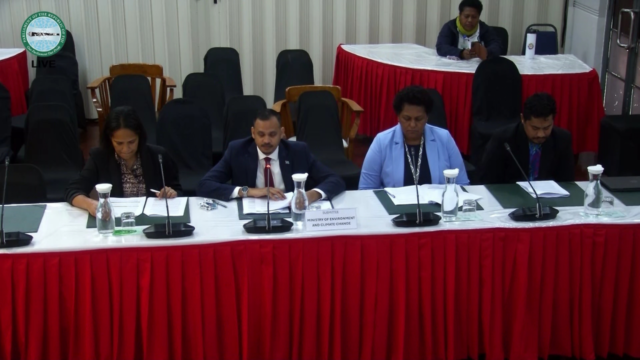
[Photo: MINISTRY OF ENVIRONMENT AND CLIMATE CHANGE/ FACEBOOK]
COP31 must deliver stronger emission reductions, greater access to climate finance and recognise the ocean as a key climate solution.
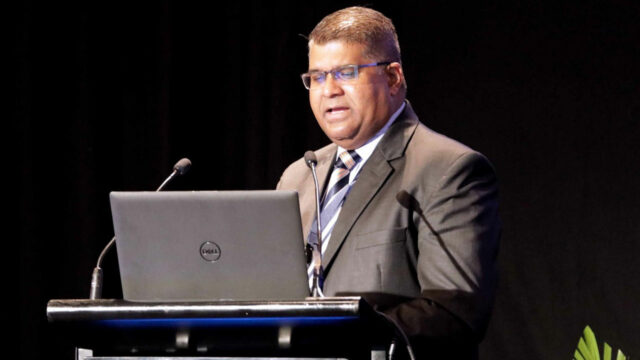
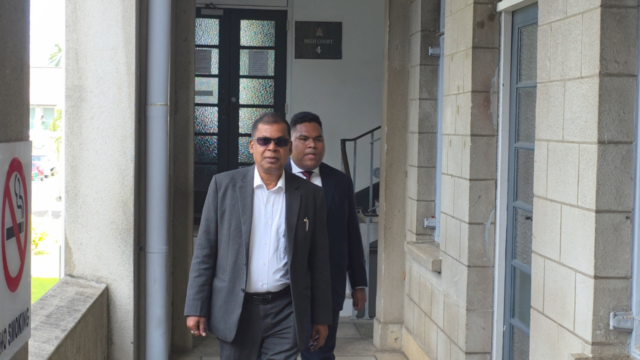
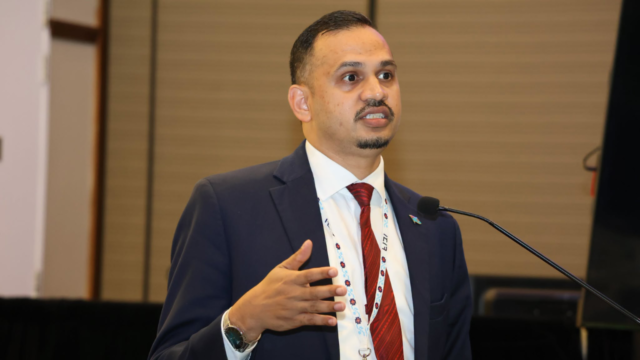
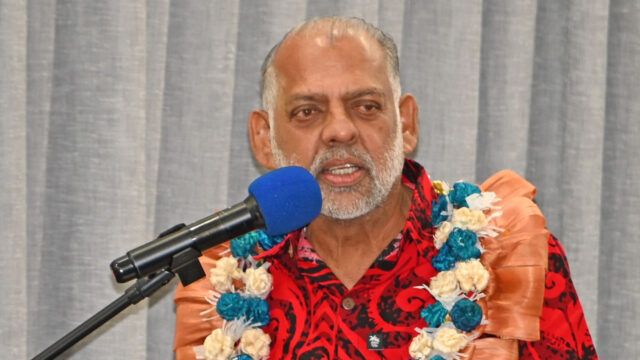
This, according to the Permanent Secretary of the Ministry of Environment and Climate Change, Sivendra Michael.
He said the Pacific cannot afford another round of delayed commitments as communities continue facing the impacts of climate change.
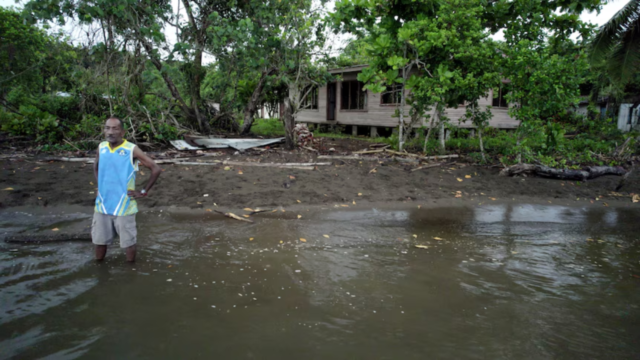
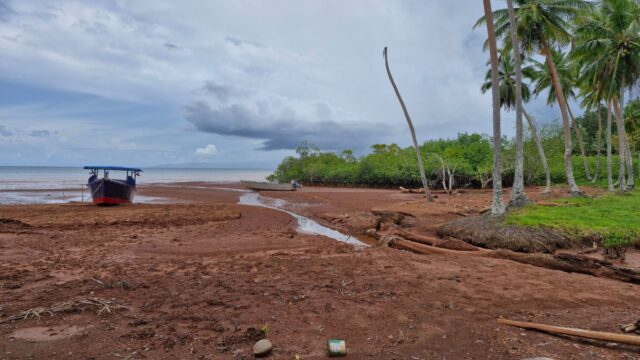
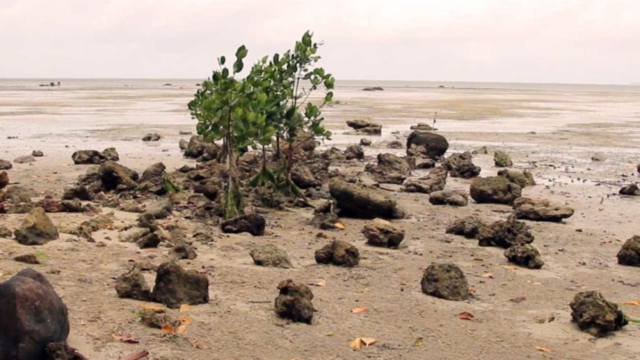
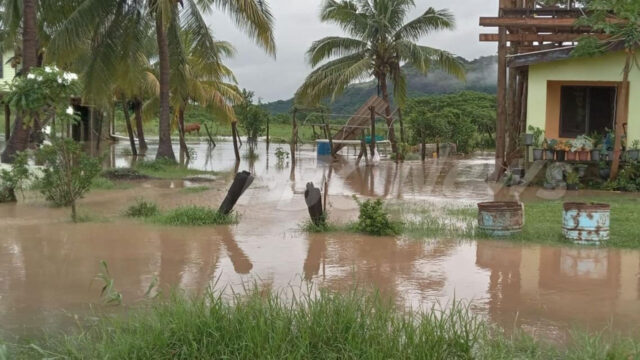
The PS also said that the region was already experiencing stronger cyclones, saltwater intrusion affecting food production and rising seas at rates higher than the global average.
“We will walk hand in hand with Turkey and Australia to ensure that the pre-COP in Fiji is not merely a Pacific gathering, but a bridge bringing the voices of the most vulnerable directly into the negotiating rooms and forging a political will needed for a truly transformative outcome in Antalya, Turkey. Together, we see three key opportunities that COP 31 must seize.”
Michael says Pacific countries, despite contributing the least to the climate crisis, remain among the first and hardest hit by its impacts.
He warns that failure to accelerate decarbonisation could push the world beyond the 1.5 degrees Celsius threshold, creating greater risks for vulnerable communities.
As Fiji prepares to host the pre-COP31 meeting, Michael says the gathering must strengthen political commitment and drive action ahead of the global climate summit.
He said countries must move beyond pledges and scale up their Nationally Determined Contributions to reduce emissions and protect the 1.5 degrees goal.
Climate finance, he states, remains a major challenge for vulnerable countries that need resources to respond to growing threats.
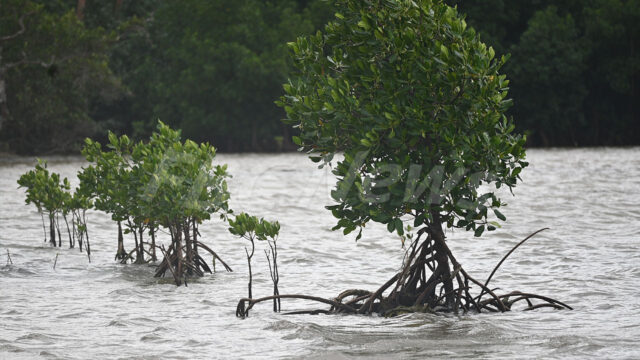
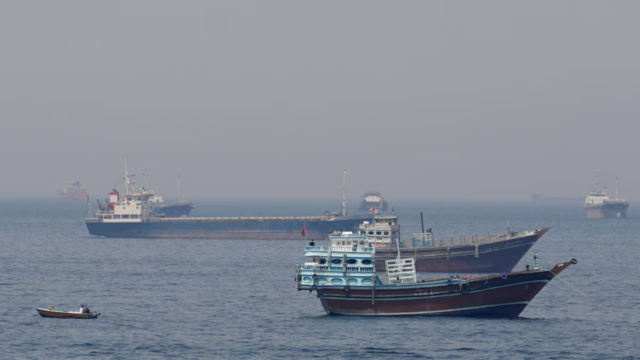
He adds that protecting the ocean must become central to climate action, with marine conservation and sustainable ocean economies included in global strategies.
Fiji says the pre-COP31 meeting will bring Pacific priorities closer to international negotiations and push for outcomes that match the urgency of the climate crisis.