 Riya Bhagwan
[file photo]
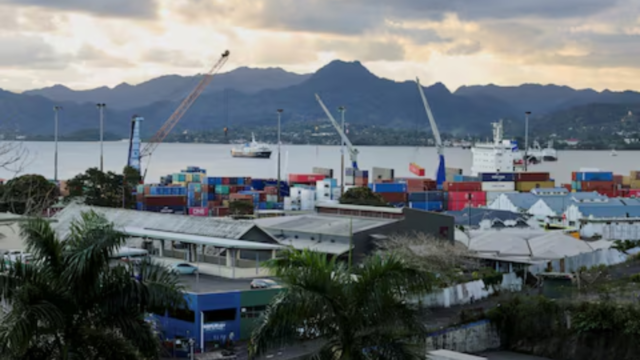
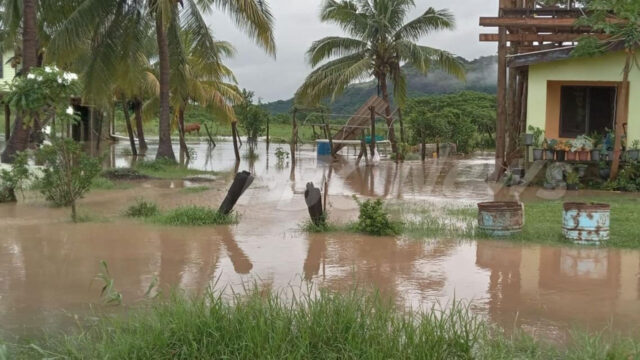
Rising urban flooding across the Pacific and Asia is exposing critical gaps in outdated city planning, with experts warning that stronger climate-resilient infrastructure is urgently needed to protect communities and economic stability.
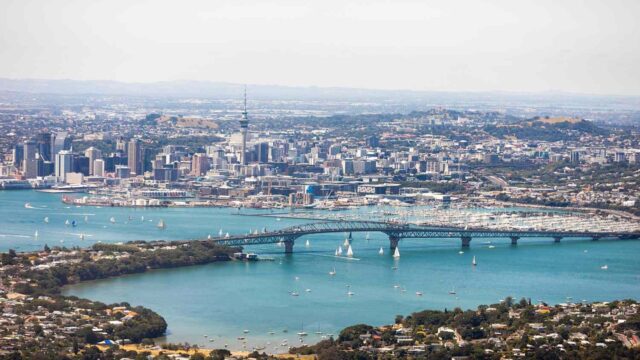
The United Nations Economic and Social Commission for Asia and the Pacific says many cities were originally designed for lower rainfall levels and smaller populations, leaving them increasingly vulnerable as both population growth and extreme weather events intensify.
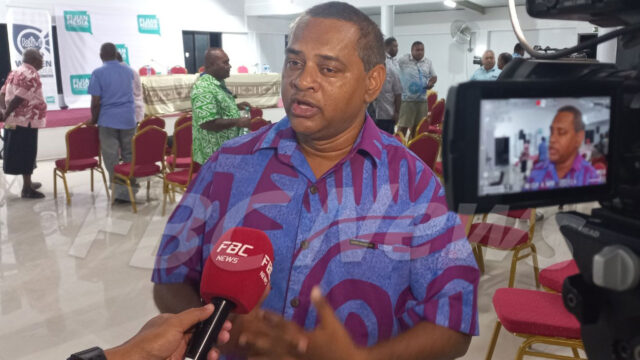
UNESCAP Disaster Resilience expert Temily Johnson says urban centres are expanding faster than development planning can keep up with, while climate change is increasing the frequency and intensity of heavy rainfall events, leading to more frequent urban flooding.
To help address this growing risk, ESCAP’s expert publication “From flooded to future ready: Why Asia Pacific cities must become ‘sponges’” is driving attention toward “sponge city” approaches, which reimagine urban design to allow cities to absorb, store, and manage excess water rather than relying solely on conventional drainage and concrete-based systems.
The approach includes integrating nature-based solutions such as wetlands, mangrove restoration, green spaces, and other natural systems that help absorb floodwaters and reduce pressure on urban infrastructure.
Johnson says these approaches are gaining relevance for Pacific Island countries, particularly because many solutions can be implemented at both city and community level, including household-based interventions such as improved land use, vegetation in flood-prone areas, and rainwater harvesting systems.
Johnson highlighted the importance of protecting wetlands, noting that Asia and the Pacific are home to a significant share of the world’s wetlands, although only a limited proportion is formally protected.
“The saying is that the best time to plant the tree was 10 years ago. So the next best time is today. So it’s one of those things, where the quicker we start, the better off we are.”
Despite improvements in disaster preparedness across the Pacific, economic losses linked to disasters continue to rise, with officials warning that infrastructure development is not keeping pace with growing climate risks.
Fiji loses approximately $500million annually due to floods and cyclones that continue to threaten lives, livelihoods and infrastructure.
The push for urgent action has intensified as cyclone seasons are expected to intensify further, bringing stronger winds, heavier rainfall, and worsening coastal flooding risks.