 Bose Vavataga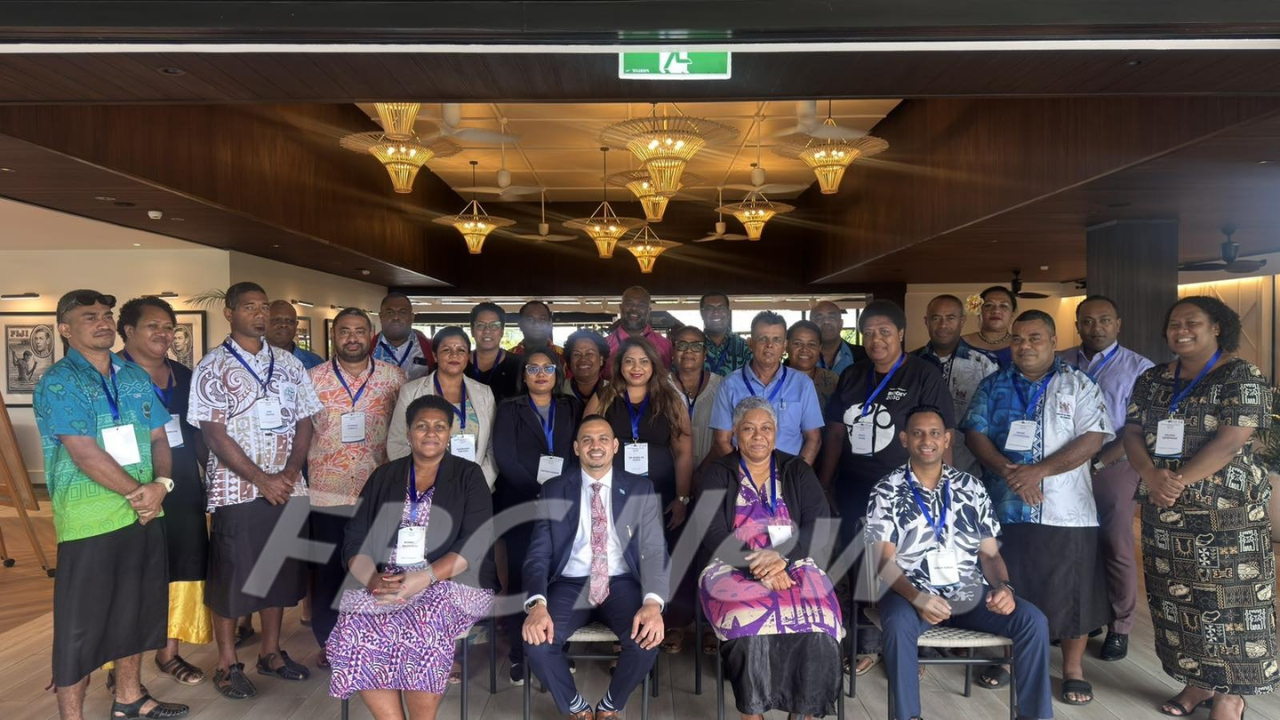
[Photo: FILE]
Fiji is urged to close the gap between its biodiversity policy and on-the-ground outcomes.
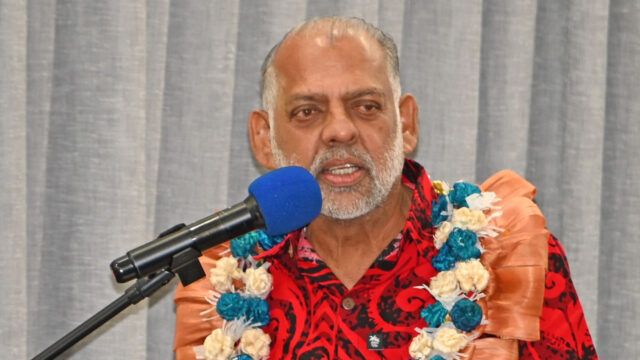
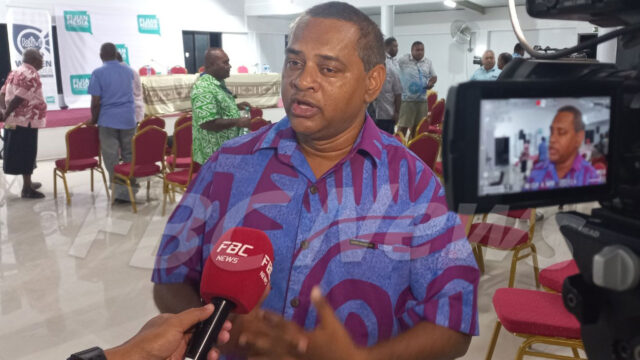
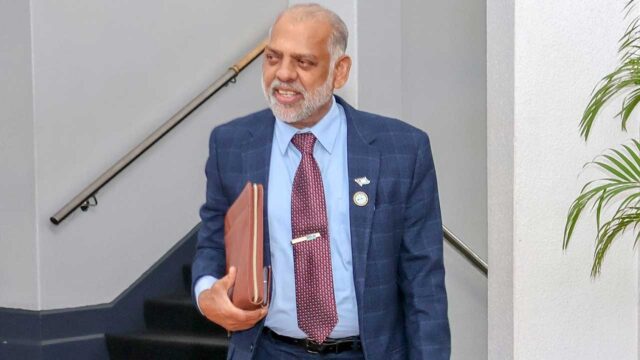
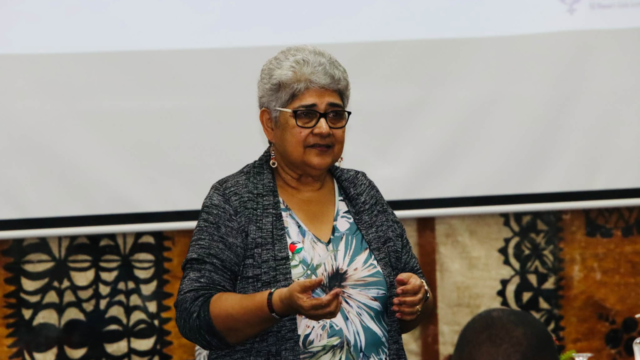
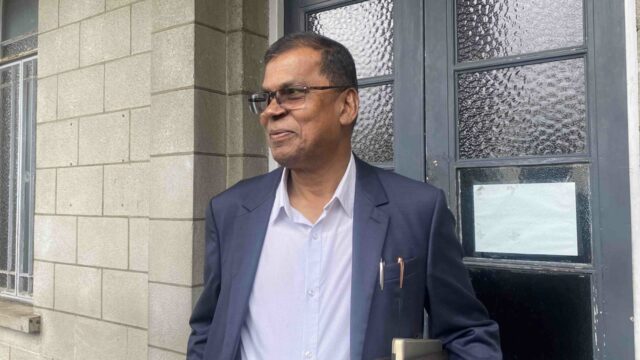
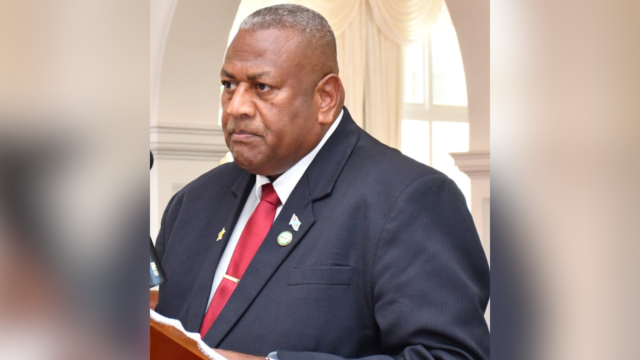
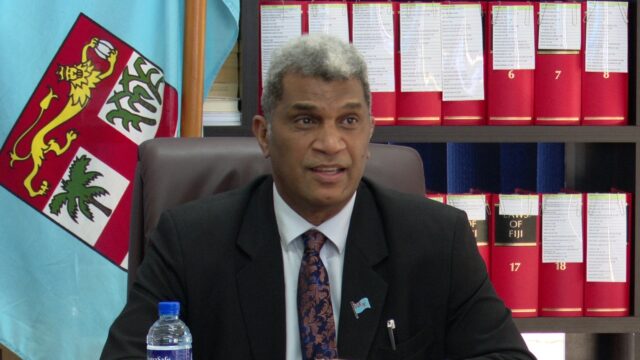
Permanent Secretary for Environment Dr. Sivendra Michael says strong policies often fail to reach the people who rely on them.
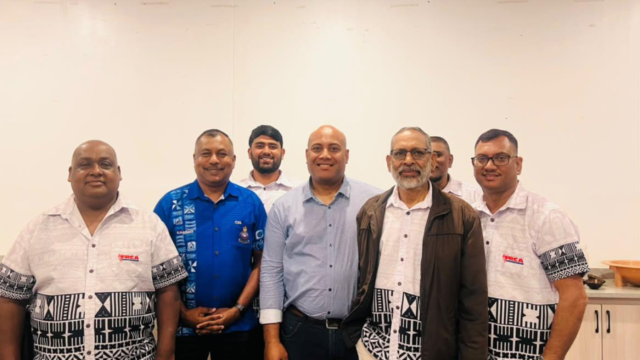
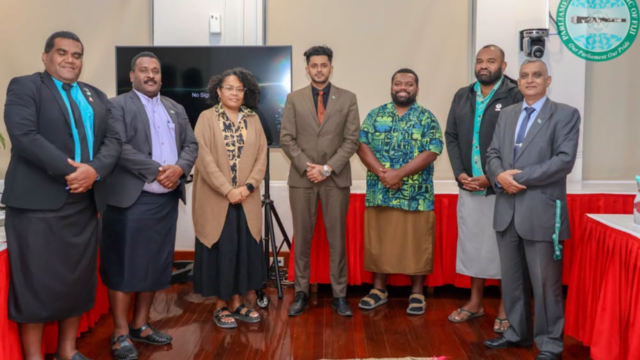
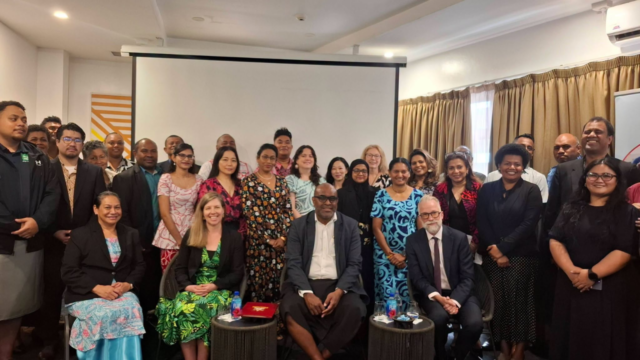
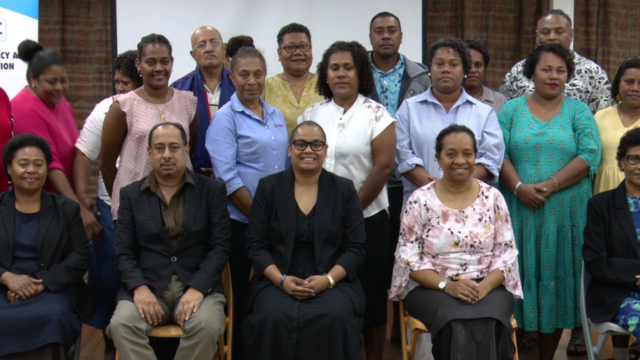
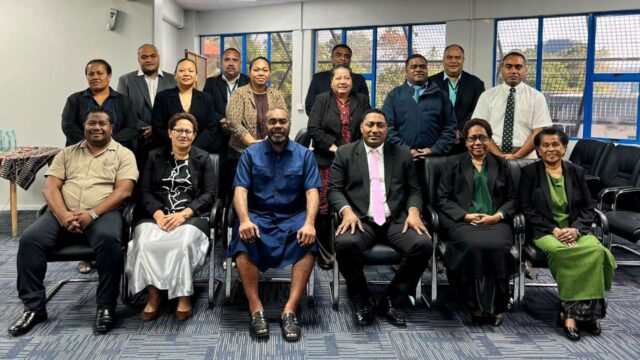
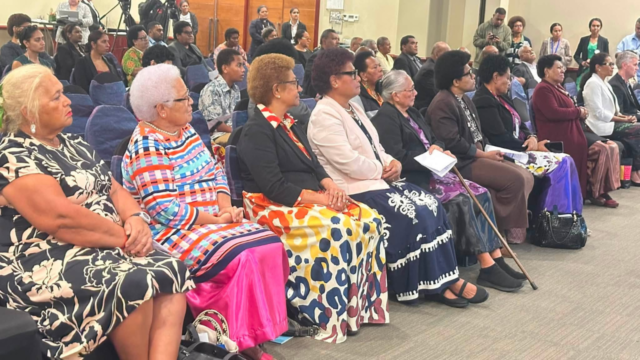
Speaking at the BIODEV2030 Phase II National Validation Workshop, he said biodiversity is not just an environmental issue.
It affects livelihoods, food security, and national development.
He said the programme has focused on coastal fisheries and the kava sector, both key to Fiji’s economy but under increasing pressure.
Dr. Michael says draft policy reports and proposed Cabinet decisions are designed to drive action.
He stressed the need for clear, costed implementation plans to ensure delivery.
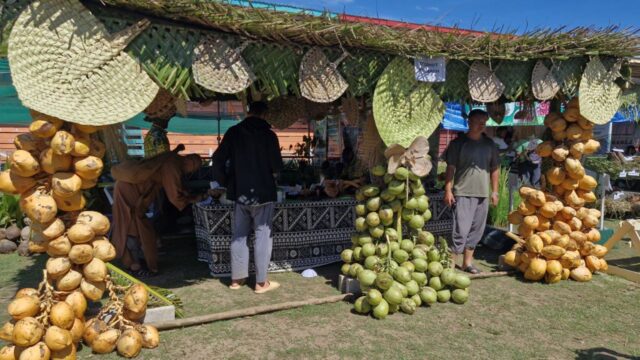
He also raised concerns that policies do not always reach farmers and producers, saying success depends on real benefits at the community level.
Dr. Michael highlighted the Fiji Development Bank’s role in supporting local industries and strengthening the domestic market.
In fisheries, he said progress is being made, but data gaps remain and require stronger partnerships.
“And we know that the data gaps in the fisheries sector is something that, you know, cannot beaddressed by one project alone, like Biodev, but it is something that we need in this room, which is the partnerships to really, you know, reinforce where we must put more effort towards so that we can progress these national policies that can benefit the very communities and the work around, you know, locally marine managed areas and so forth”
Dr. Michael added that the Cabinet has endorsed key policies, including Fiji’s Access and Benefit Sharing Policy and the National Biodiversity Strategic Action Plan 2026–2030, with focus now on turning plans into action.