 Reuters
[Source: Reuters]
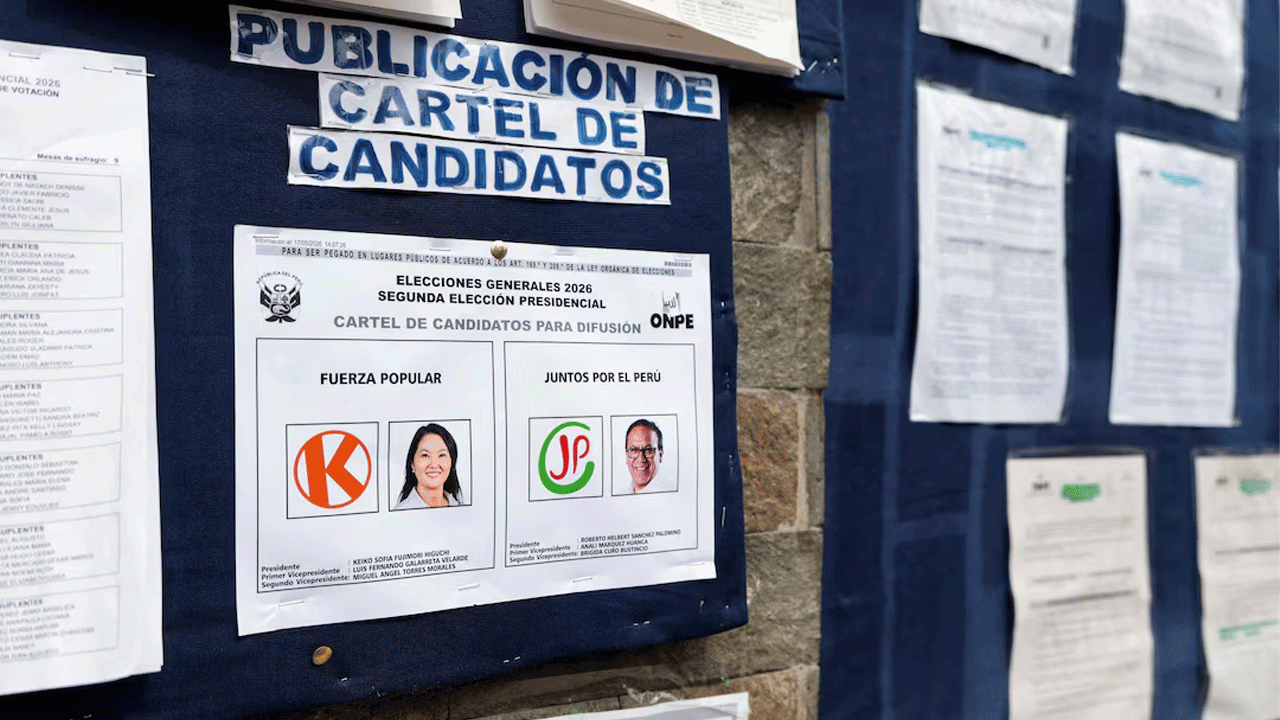
Peru’s conservative presidential candidate Keiko Fujimori had an early narrow lead over her leftist rival in a runoff election.
According to an exit poll, as voting drew to a close after a campaign focused on crime and the country’s socio-economic divide.
Peruvians are choosing between Fujimori, the daughter of hardline former President Alberto Fujimori, and leftist congressman Roberto Sanchez, who often campaigns wearing a cowboy hat and, like imprisoned former President Pedro Castillo, has strong support in rural areas.
An Ipsos exit poll showed Fujimori with 50.7% of the vote compared to 49.3% for Sanchez. Polls leading up to the election showed the two candidates in a statistical tie.
Markets have been rattled by the prospect of a Sanchez victory, which would buck Latin America’s recent rightward shift.
Chile, Argentina, Costa Rica and Ecuador have elected right-wing presidents in their latest elections, and Bolivia ended two decades of socialist rule in its presidential contest last year.
Peruvian voters have told pollsters they are overwhelmingly concerned with crime.
Homicide and extortion rates have soared, leading to widespread protests and the ouster of former President Dina Boluarte.
Fujimori, who previously tried to distance herself from her father’s authoritarian, tough-on-crime policies, won the first round of voting in April as she leaned into his legacy.
She compared his fight against left-wing Maoist insurgents to the country’s current struggle with organized crime.
Fujimori’s father was later jailed for human rights abuses and died in 2024.
This election marks Fujimori’s fourth time in a presidential runoff.
She lost the 2021 race by about 45,000 votes, or just over 0.2%, to Castillo.
Election observers and Peru’s ONPE electoral authority said voting was proceeding normally. The first-round vote in April was marred by delays that led to an extra day of voting and delayed results.
Fujimori said her party had recruited 95,000 representatives to monitor polling stations around the country and Sanchez called on people in the “most remote villages” to go out and vote.
MARKETS NERVOUS ABOUT SANCHEZ’S MOMENTUM
Sanchez is hoping he can replicate Castillo’s victory by focusing on Peru’s other major political issue: inequality and the vast socioeconomic divide between those living in the capital Lima and rural areas.
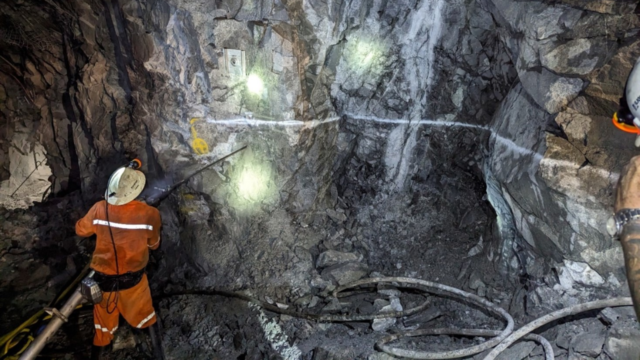
He has promised an agenda of ambitious reform, including a new constitution, overhaul of mining concessions and boosting investment in rural regions.
Sanchez’s proposals have resonated with many, including the country’s growing informal mining sector, but have rattled markets.
Peruvian stocks fell on Friday as he gained strength in polls to pull level with Fujimori.
Tensions are high, and a chaotic first round led to accusations of fraud and threats of protests from both camps.
Whoever wins will also have to deal with a fragmented Congress that has removed three presidents in the last five years.
“It’s complicated in such a polarized world and election. The feelings are hard to process, but I hope whoever wins, there can be some standing and reconciliation,” said Eric Beya, a young voter in Lima.
Polls opened at 7 a.m. (1200 GMT) and officially closed at 5 p.m. (2200 GMT), but remain open if there are still voters waiting to cast their ballots.
The first results are expected within three hours, though an official count could take weeks.