 Litia Cava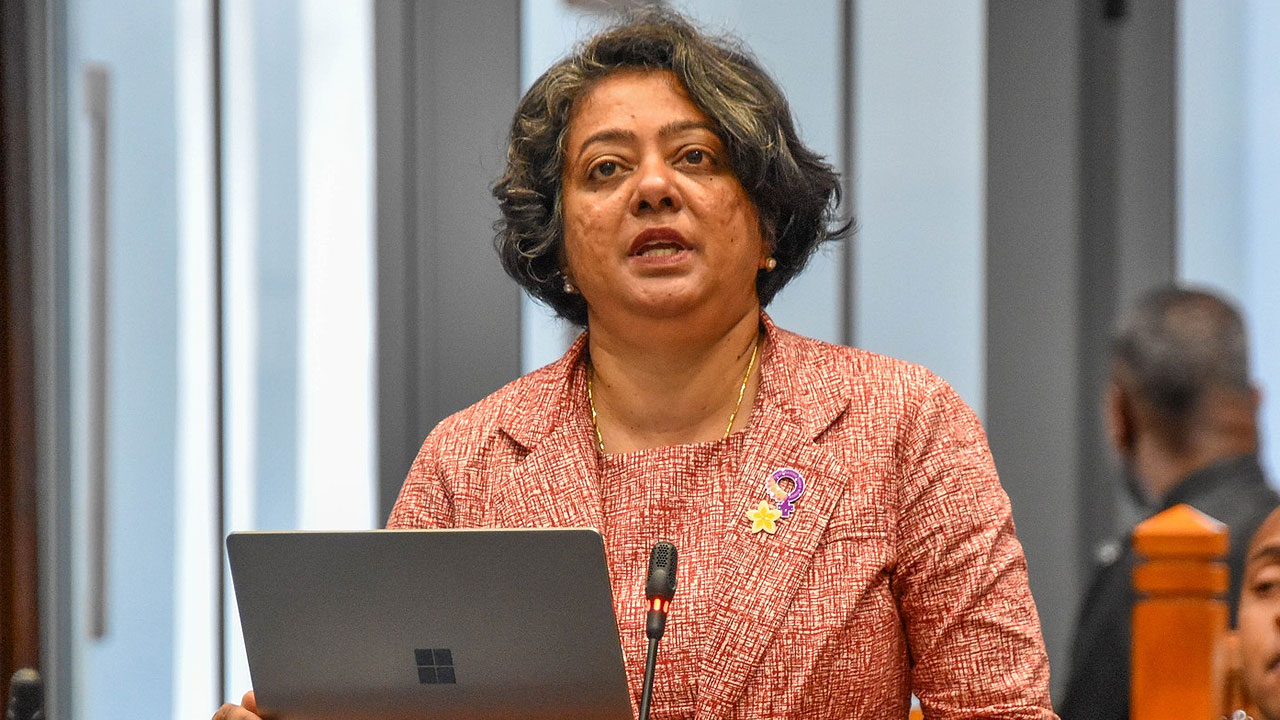
[Photo:File]
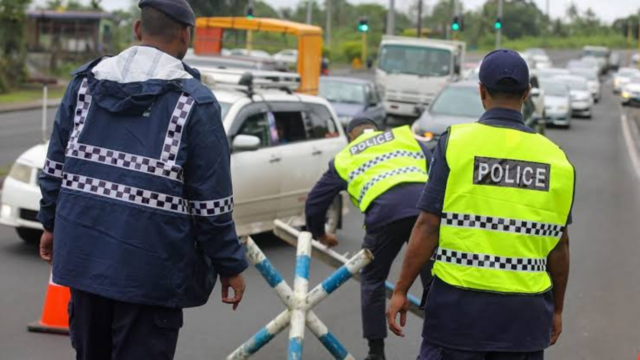
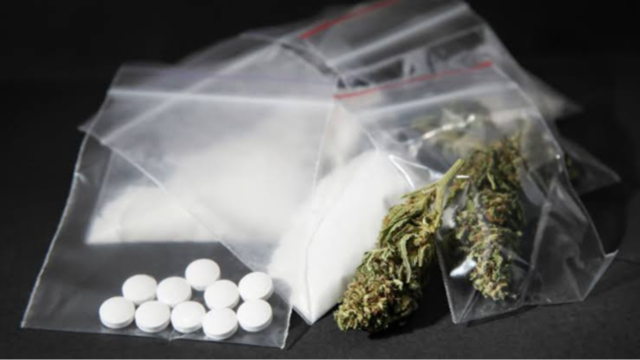
Fiji is facing a growing crisis of alcohol and other drug use among children and adolescents.
Authorities warn it is driving mental health problems, violence, self-harm and serious youth crime.
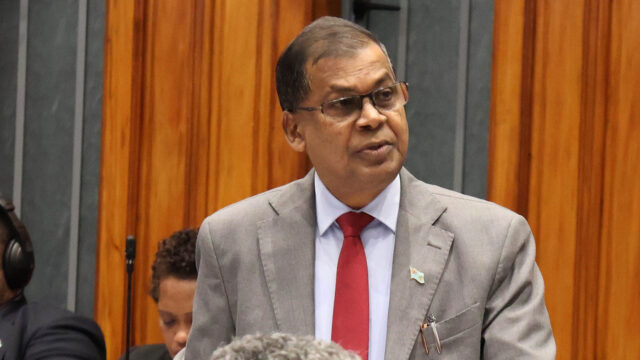
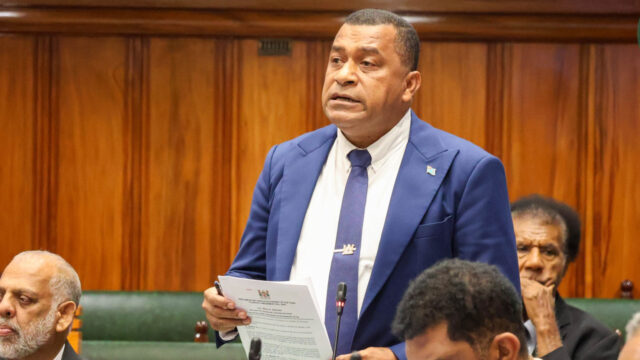
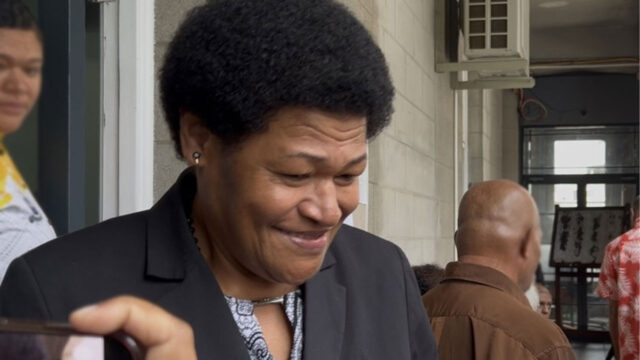
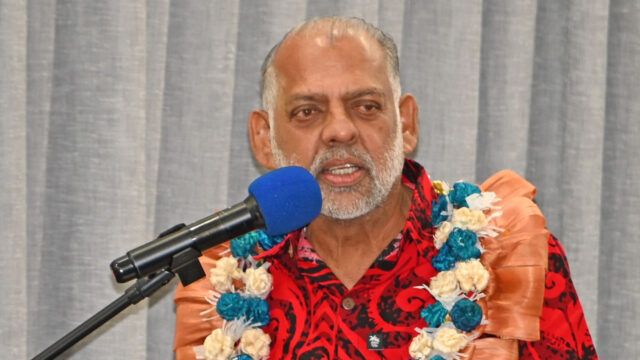
Minister for Women, Children and Social Protection Sashi Kiran points out that the situation reflects a wider national challenge.
She said it was being fueled by easy access to illicit drugs and the breakdown of family and community support systems.
“This agreement formalises a partnership that will change lives. It strengthens our national response to substance abuse. And it ensures that our adolescent boys often overlooked, often misunderstood receive the specialized care they urgently need.”
Kiran explained Fiji’s position as a transit point for international drug trafficking has led to the local spread of substances such as methamphetamine. These drugs are now more accessible to young people.
She also points to the weakening of traditional support systems within the vanua, families, and communities. She says this has left many children without proper guidance and protection.
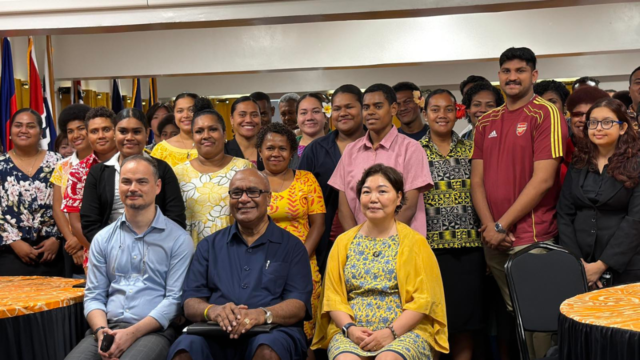
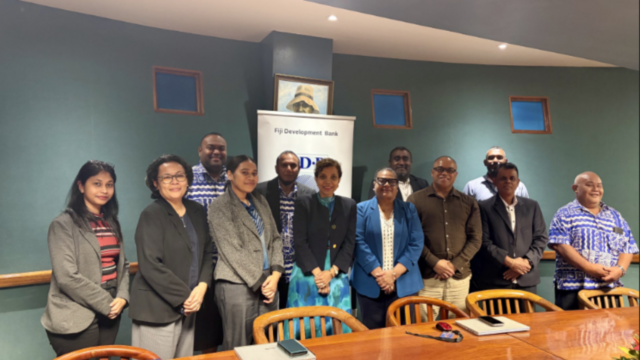
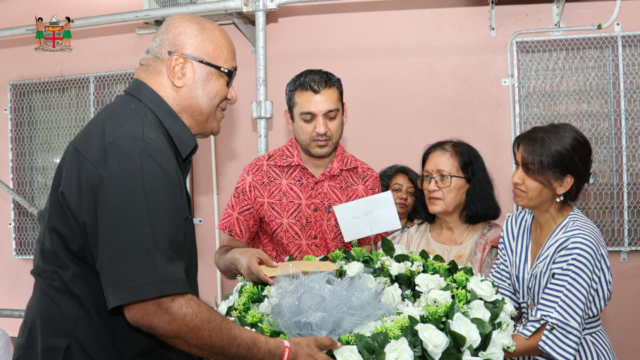
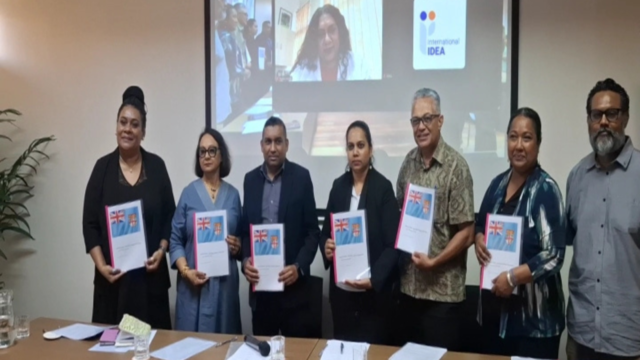
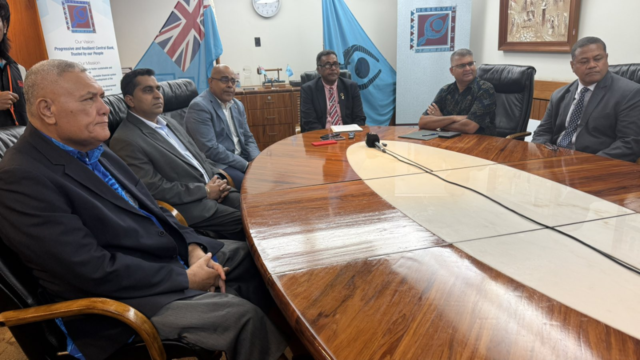
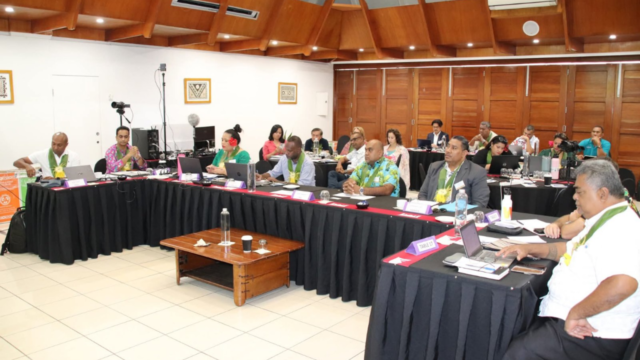
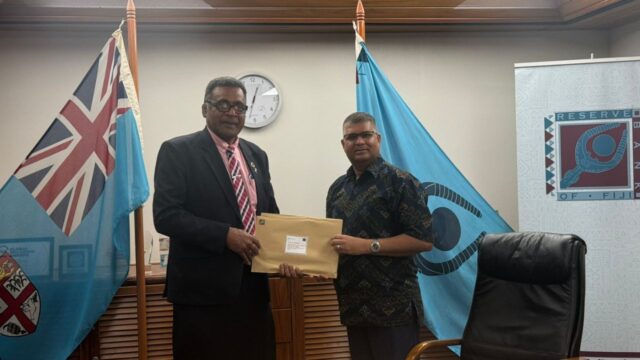
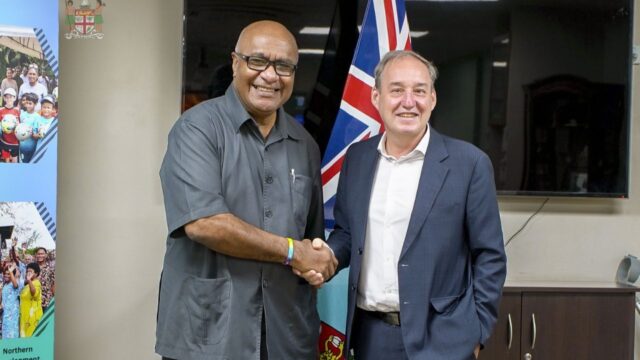
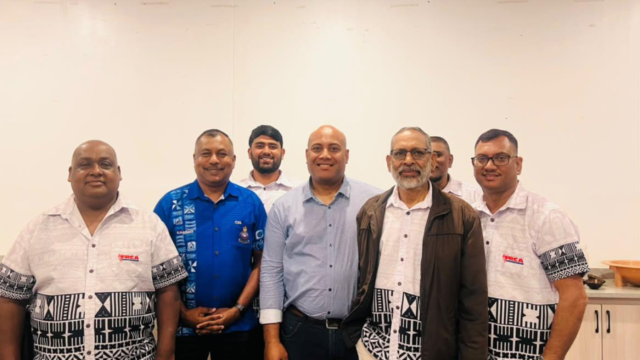
The concerns were raised during the signing of a Memorandum of Agreement between the Ministry and Empower Pacific.
Kiran says Fiji does not have a dedicated residential recovery facility for adolescents aged 13 to 17. She says the country relies on a referral-based system that has major gaps.
These gaps, according to the Minister are seen in rising adolescent deaths, pressure on health and corrections services, and increased youth offending. She also cites school dropouts and public health risks, including HIV linked to unsafe practices such as blue toothing.
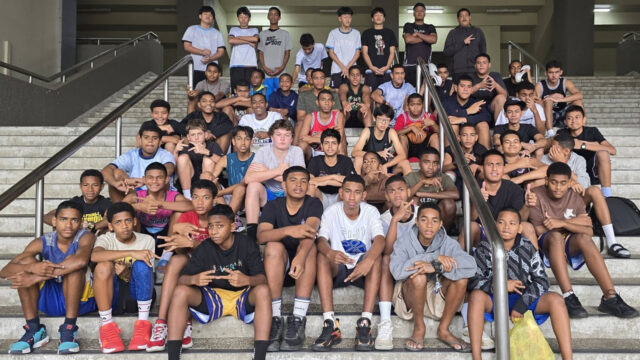
The Minister says the Na Sala Vou Program is designed to address these challenges. It is a 12-week residential treatment program for boys aged 13 to 17.
She states the program provides a safe therapeutic space. It combines counselling, group therapy, and life skills training.
It is grounded in 12-step principles and these include honesty, discipline, humility, responsibility, and service. It also reflects cultural values of vanua, spirituality, and community.
The program includes evidence-based therapies. These include Cognitive Behavioral Therapy, Dialectical Behavior Therapy, Motivational Interviewing and trauma-informed care. It also includes harm reduction and HIV prevention education.
Participants will also receive training in practical skills.
These include carpentry, gardening, first aid, communication, music, art and sports. The program also includes reintegration and relapse prevention support.
Kiran said the program was about saving lives and restoring dignity and it gives young people a real chance at recovery and a new beginning.
She adds that the partnership with Empower Pacific goes beyond funding. It reflects a shared responsibility to support vulnerable children.
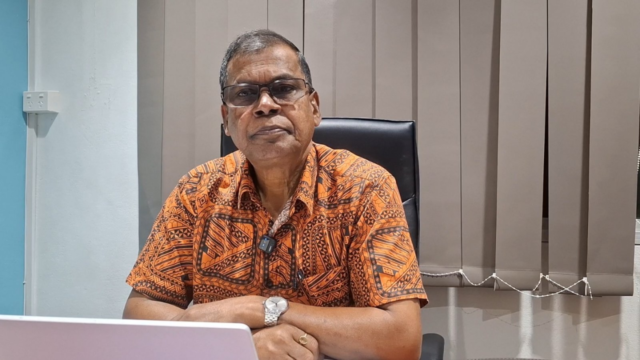
Empower Pacific Chief Executive Officer Patrick Morgan was acknowledged for the organization’s work in mental health and counselling.
Kiran adds that the agreement strengthens the national response to substance abuse.