 Praneeta Prakash
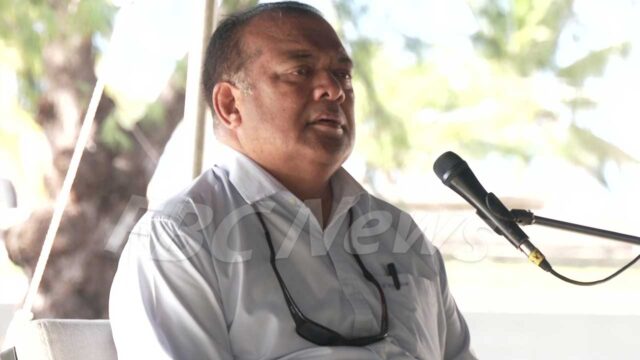
[Photo: File]
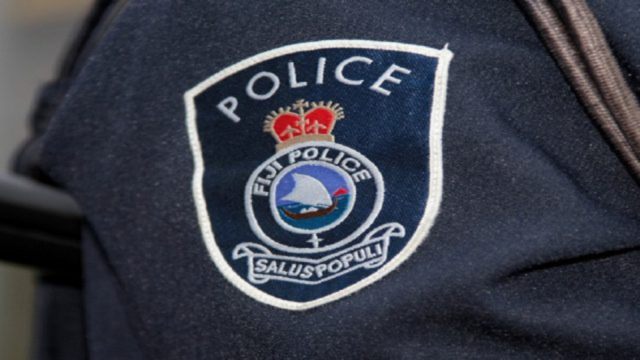
Concerns have been raised that some community policing Viber groups, established to strengthen communication between police and residents, are instead exposing women to alleged harassment by police officers.
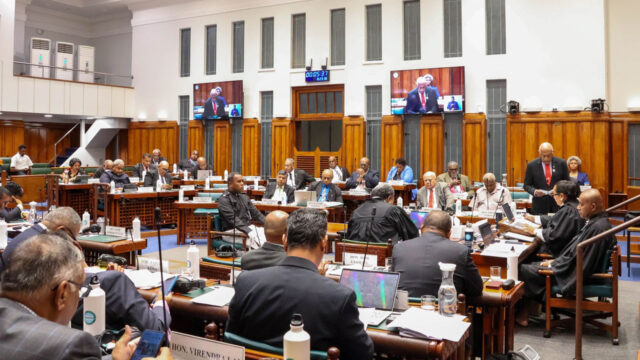
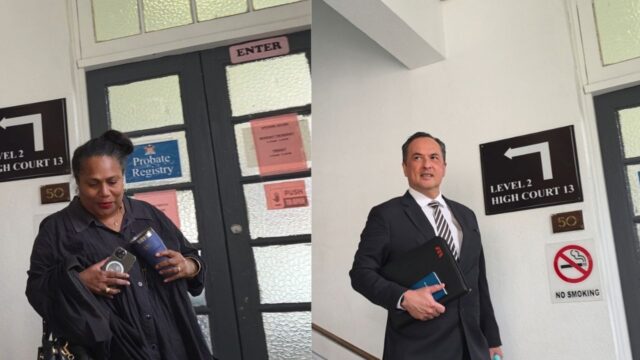
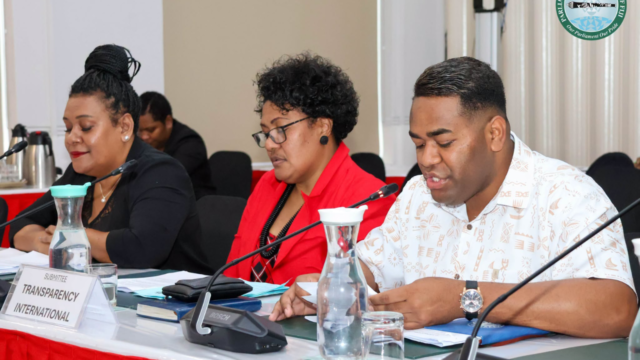
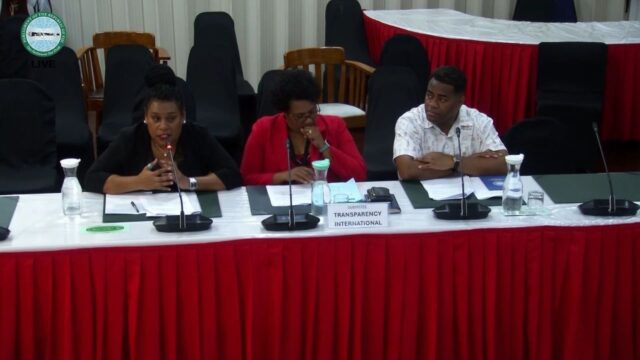
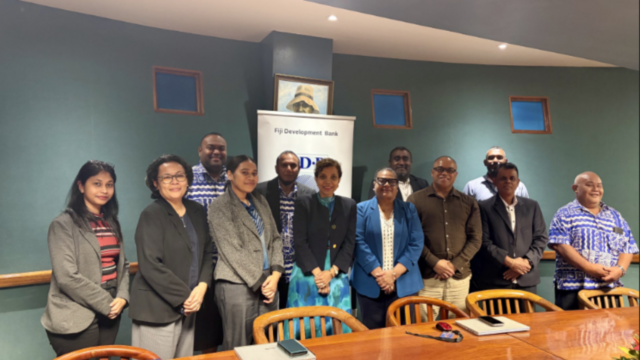
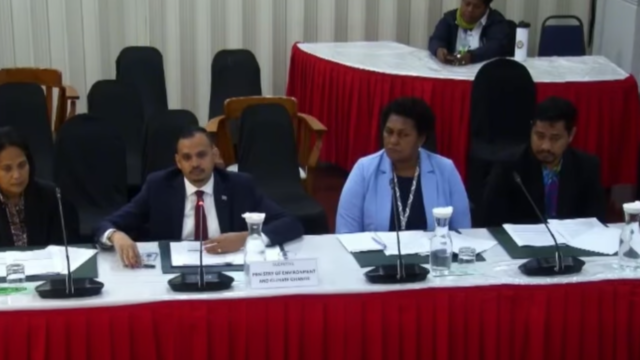
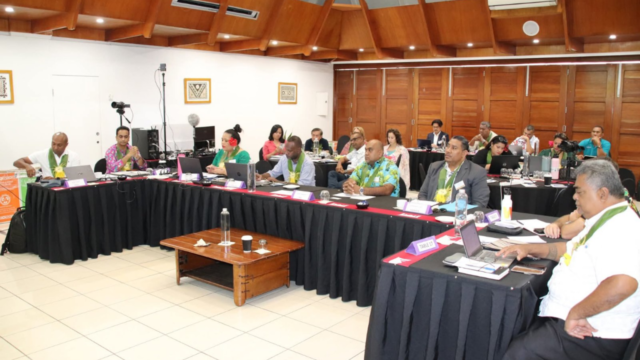
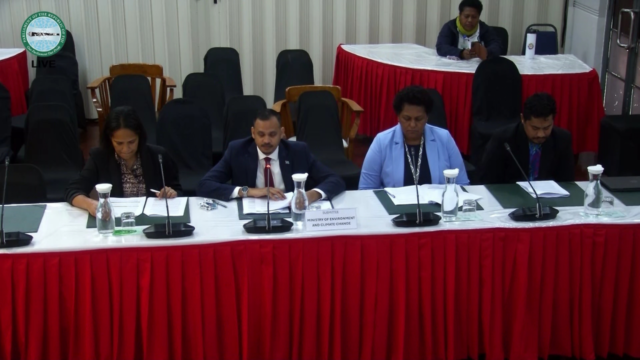
The issue was highlighted by Fiji Women Lawyers Association during submissions on the Police Bill before the Standing Committee.
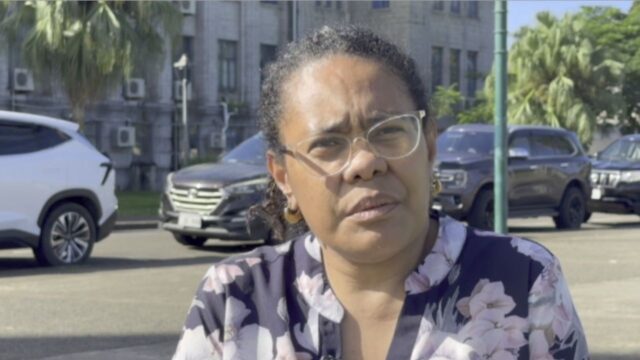
According to FWLA Board Deputy Chair Madonna Fong, they had received reports of women being privately contacted by police officers after joining neighborhood viber groups intended for community policing.
She says that while the groups were created to improve safety and communication, some officers had allegedly used members’ personal contact details to send inappropriate private messages.
Unfortunately, some of those police officers have started privately messaging women in the Viber group that they’re supposed to protect. Good morning, how are you? You look so nice. Want to come and meet me? Sexually harassing them, to be quite frank.
Fong says such incidents undermine public confidence in policing and discourage women from seeking assistance.
So just to add, in terms of the visibility of it, noting women’s situations and children’s situations, there’s a lot required to really bring our current force up to par or have a reasonable standard that they are seen as protectors and upholders of the law Because right now, to be frank, I believe for the most part they’re seen as abusers and a violent organization that may or may not help you, and in fact may not help you at all.
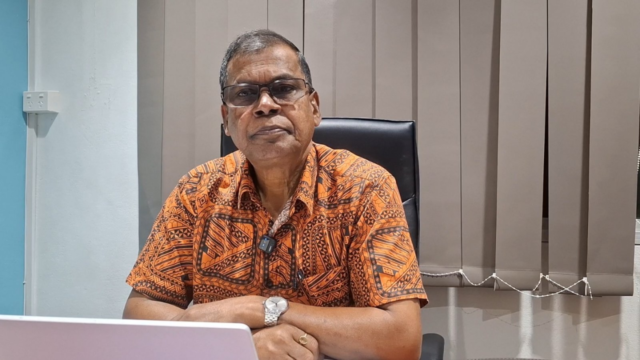
FWLA President, Patricia Naisara says she had personally experienced the issue, explaining that as a woman living alone with her children, she felt intimidated when police officers who had access to her personal details through community policing initiatives began messaging her privately.
She told the committee that although she understood her legal rights, she found it difficult to report the matter because she still relied on police assistance in emergencies.
She says many women in similar situations may feel compelled to respond politely to officers despite feeling unsafe, fearing it could affect future interactions with police if they needed help.
Naisara also says that officers often have access to personal information, including mobile numbers, home addresses and family circumstances obtained while carrying out their duties.
She says these experiences highlight the need for a stronger people-centered approach in the proposed Police Bill, with greater safeguards for women, children and other vulnerable members of the community.