 Litia Cava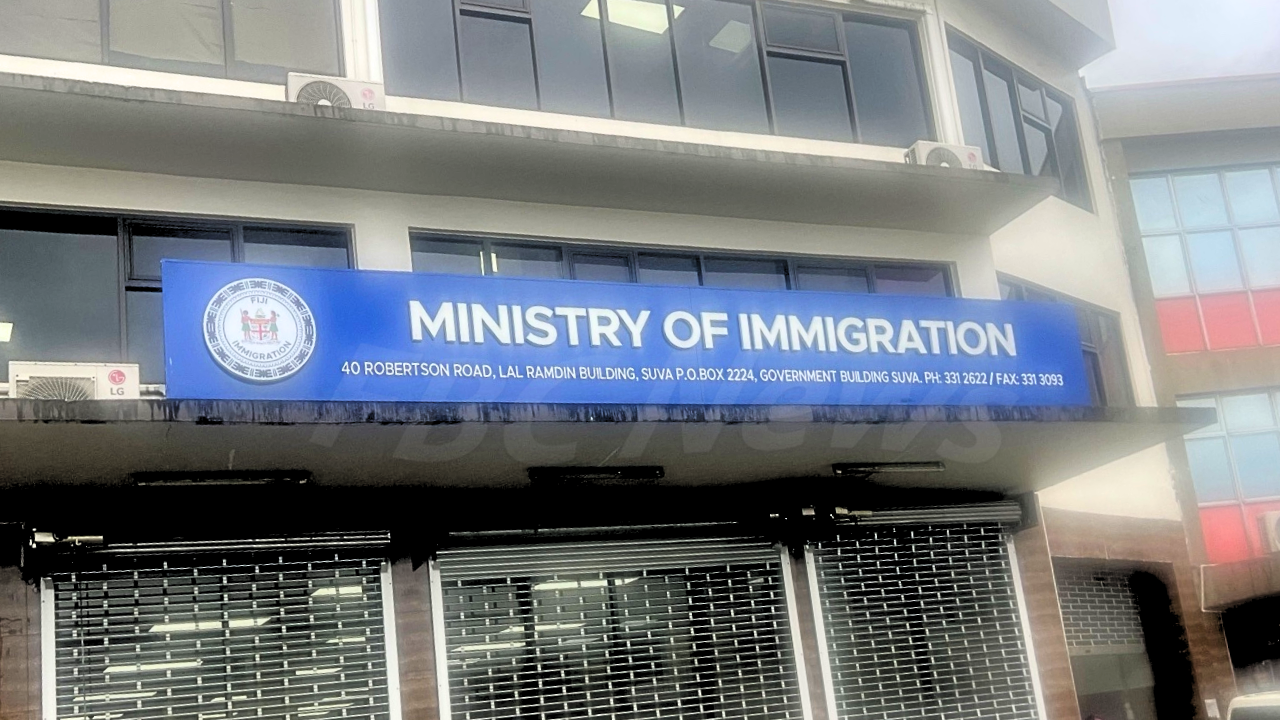
[Photo: FILE]
Severe staffing shortages and limited capacity at the Ministry of Immigration were raised during the hearing.
This comes despite the ministry now operating as a standalone entity.
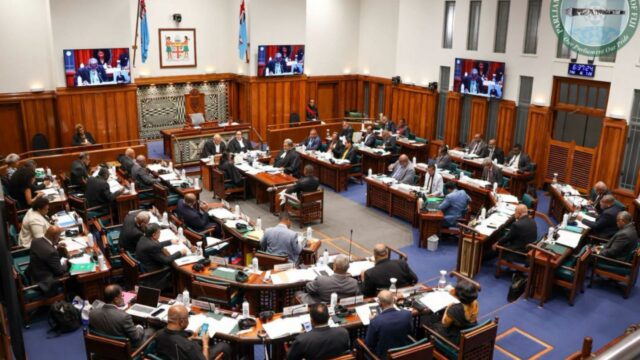
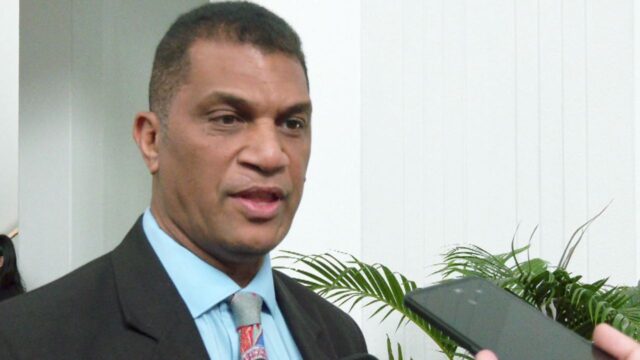
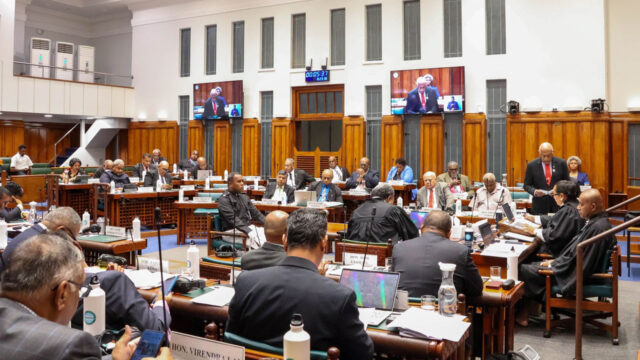
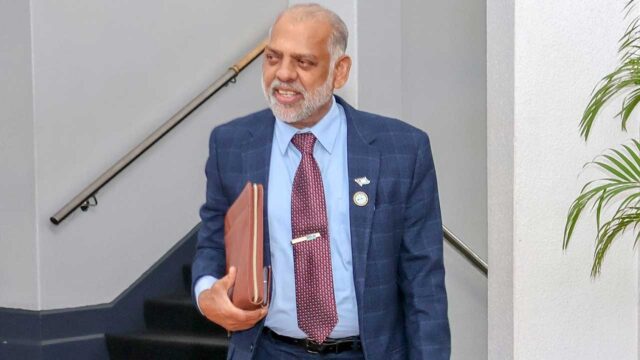
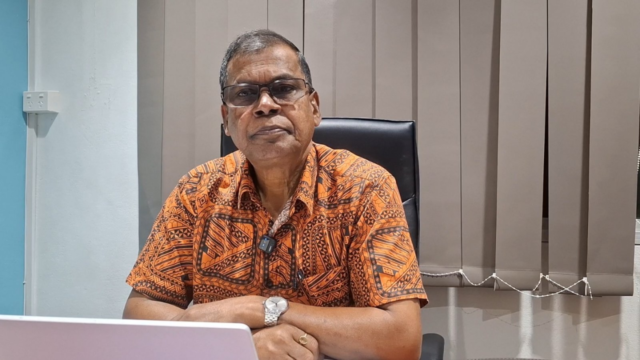
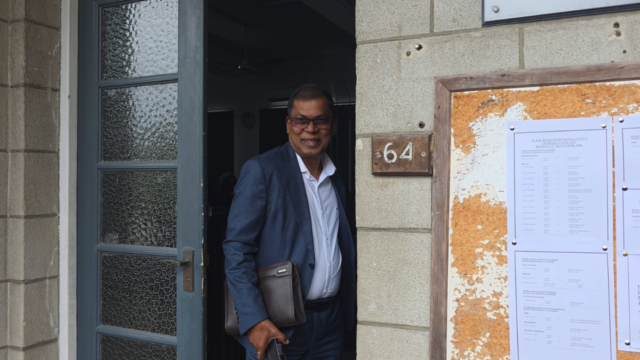
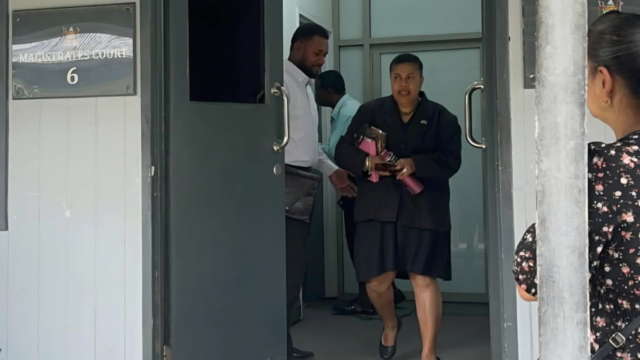
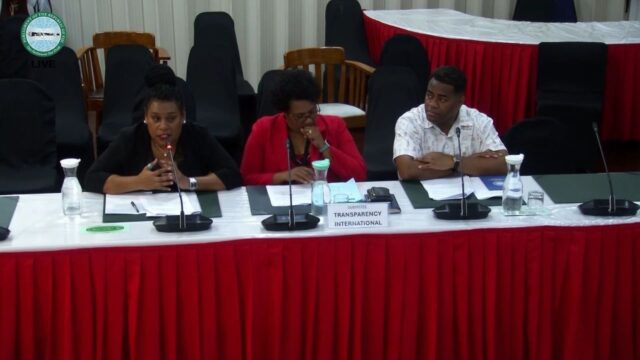
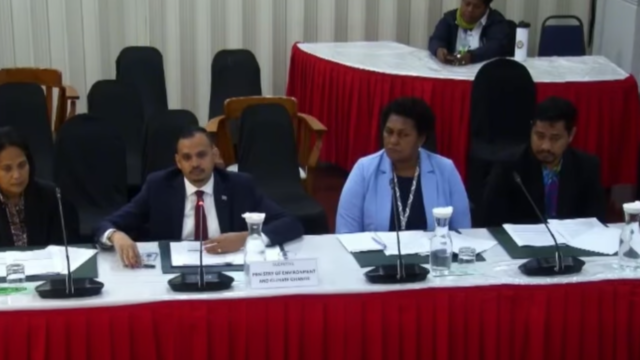
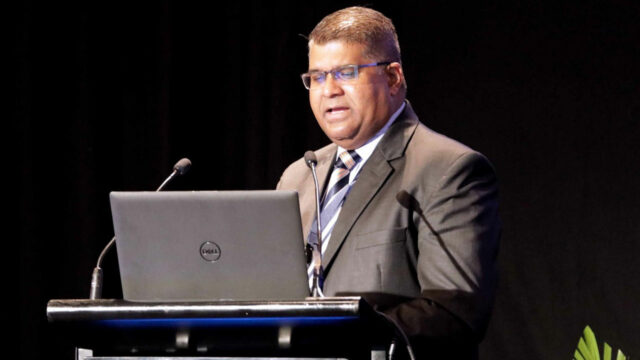
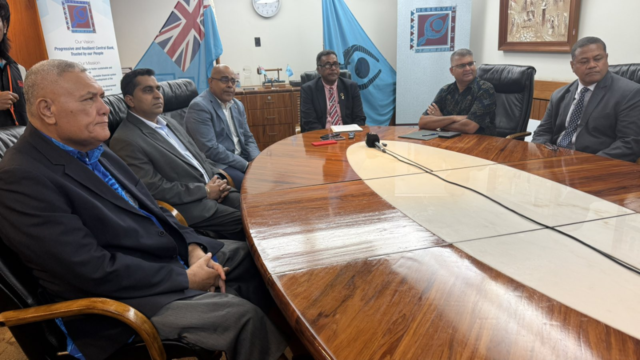
Permanent Secretary Aliki Salusalu told the Standing Committee on Foreign Affairs and Defence that the ministry still functions with the structure of a former department.
He said only two senior posts were added after the transition. These are the Minister and the Permanent Secretary.
He said the ministry now manages border security, visa processing, citizenship, and passport services. These services cover key entry points, including Nadi, Nausori, Lautoka, Labasa, Savusavu and Levuka.
Salusalu said Nadi International Airport processes close to one million passengers each year. He said this places heavy pressure on frontline officers.
He also confirmed that recruitment remains frozen under civil service restrictions. The ministry had requested more than 100 new positions in its budget bid. However, no new posts were approved for the next financial year.
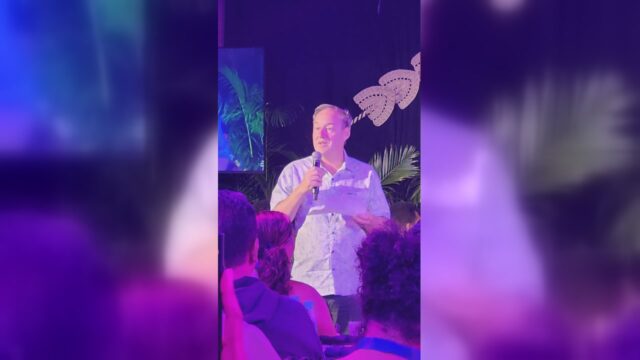
Border Security and Enforcement Manager Jesse told the committee that staff will now be redeployed. Officers from Nadi, Lautoka and Suva will be moved to support new offices in Rakiraki and Nakasi. He said this would be difficult but necessary.
The committee also heard that immigration systems are being upgraded. These include Advance Passenger Information and Passenger Name Record systems. Officials said these will help screen travellers before they board flights.
Salusalu said visa and permit services are already online, and citizenship services are also digital. He said passport applications would be moved online after system upgrades are completed.
He said new offices in Rakiraki and Nakasi will improve access and reduce pressure on Suva.
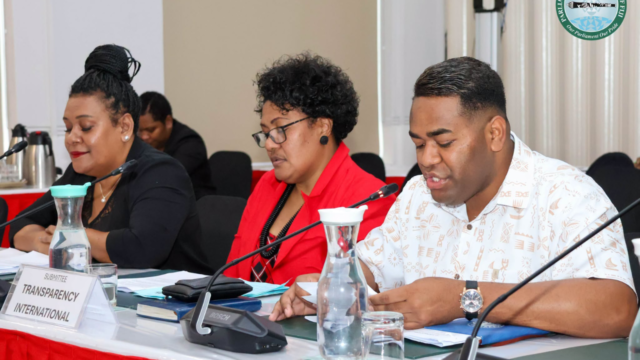
Committee members raised concerns about delays in public responses and the enforcement of foreign worker compliance. Officials said new legislation is being revised. This will strengthen penalties for both workers and employers.
Salusalu said becoming a standalone ministry has improved visibility and decision-making. However, he said staffing and resource gaps continue to affect service delivery.