 Sainimili Magimagi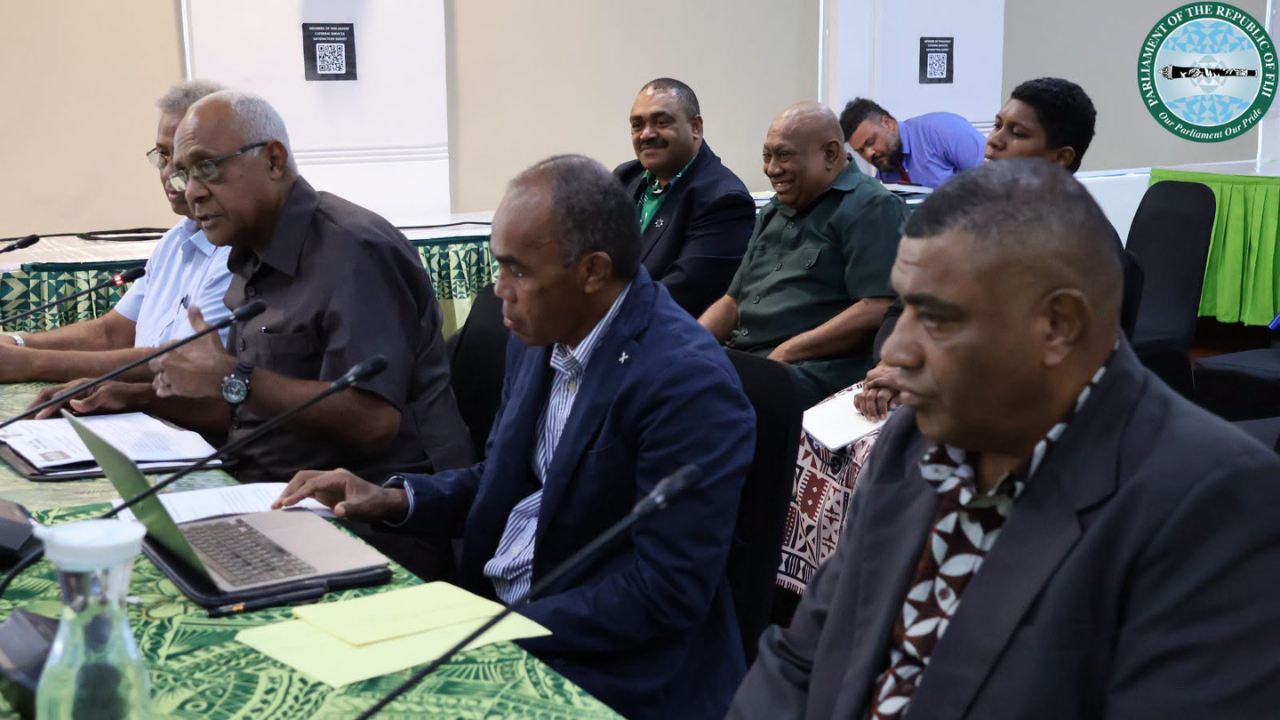
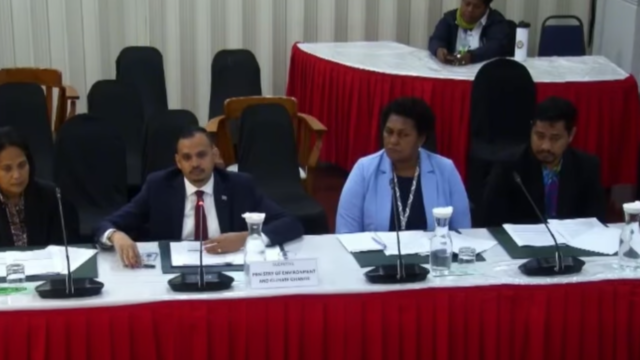
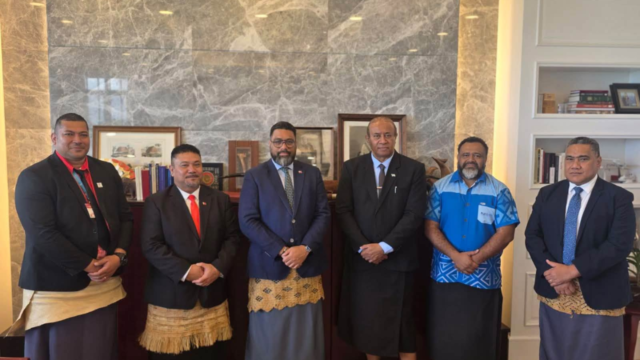
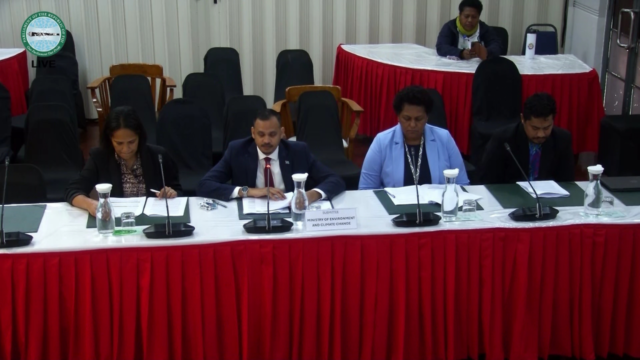
GCC representatives during their submissions [Photo: Parliament of the Republic of Fiji/FACEBOOK PAGE]
The Great Council of Chiefs is urging Parliament to uphold a principle it says dates back more than a century, recognizing customary marine ownership.
Appearing before the Standing Committee on Justice, Law and Human Rights, GCC Chair Ratu Viliame Seruvakula said the Council’s position is guided by the 1881 Royal Dispatch, which affirmed that qoliqoli ownership should be recognised in the same way customary land ownership is recognised.
“Its abiding wish is to continue and preserve the pursuit of the GCC, affirmed by the Queen in Her Majesty’s Royal Dispatch of 1881, that qoliqoli ownership must be recognized in the same way as customary ownership, owners own their land.”
While supporting the overall intent of the proposed CUMA Bill, Ratu Viliame said any legislation governing qoliqoli must protect the authority and rights of customary owners.
He further stressed that qoliqoli is not simply an economic resource but an extension of the vanua, closely tied to identity, culture and stewardship.
The council is calling for stronger recognition of customary owners as primary rights holders and safeguards to ensure compensation arrangements do not weaken underlying customary rights.
Ratu Viliame says development and investment can proceed, but only when customary ownership remains at the centre of decision-making.
The Council maintains that respecting traditional rights will strengthen the Bill and provide a more durable framework for Fiji’s marine resources.