 Riya Mala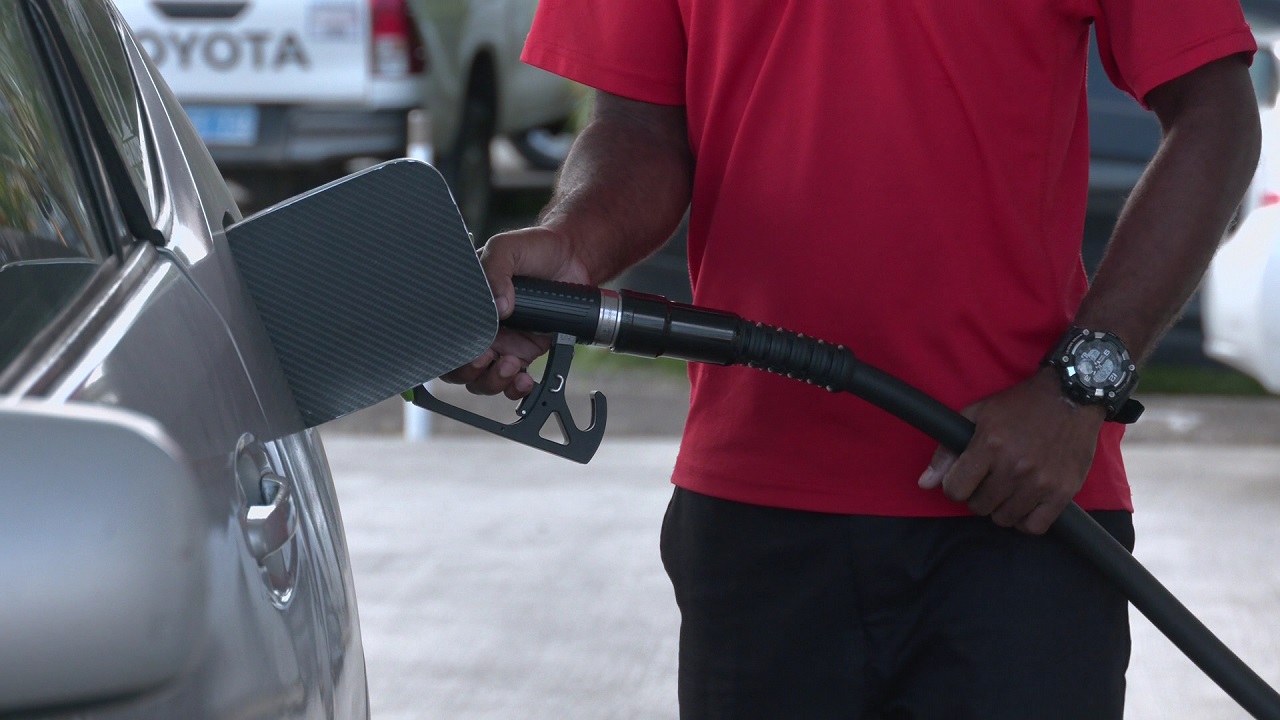
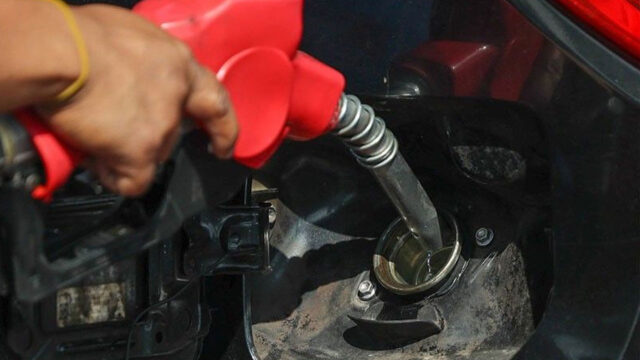
Fiji is facing growing fuel uncertainty as escalating global tensions threaten supply chains and push prices higher.
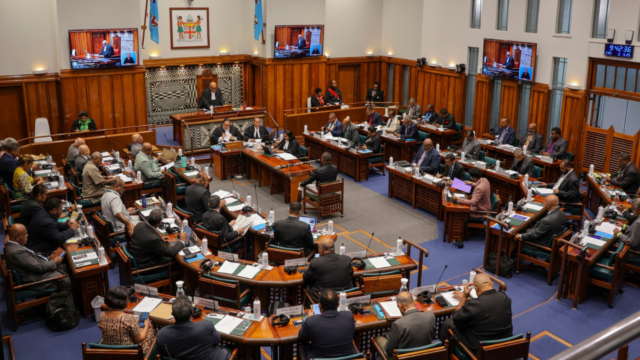
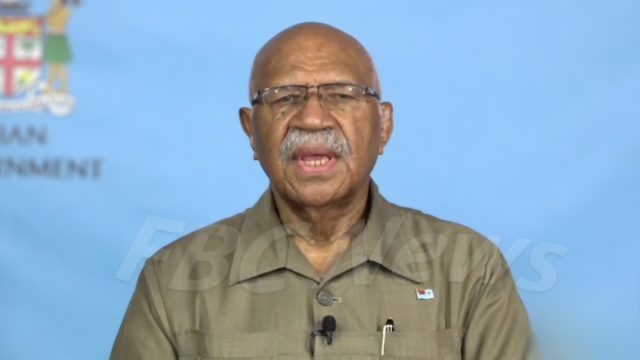
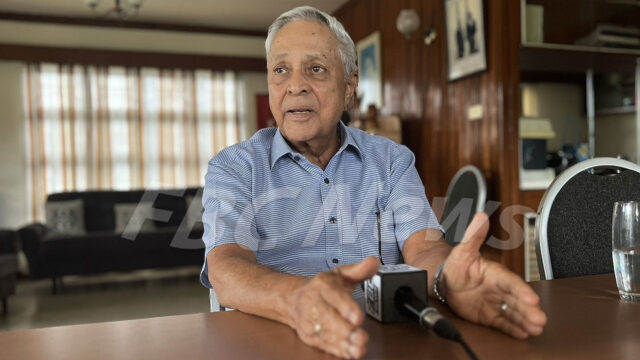
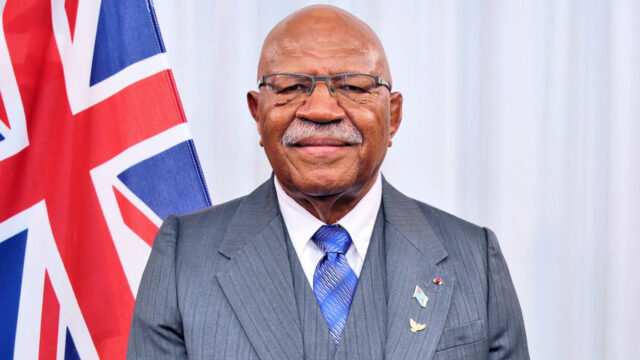
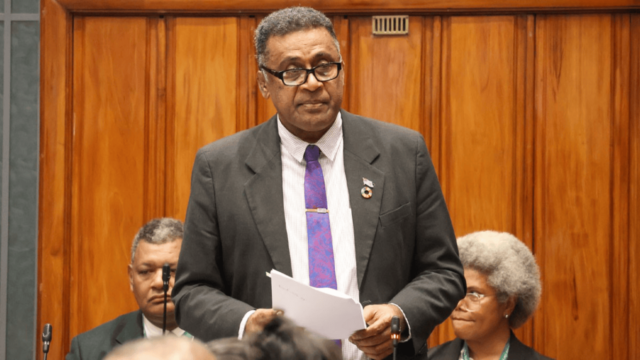
In a national address, Sitiveni Rabuka confirmed that while the country remains in Phase One of the Fiji National Fuel Emergency Action Plan focused on preparedness and responsible use risks are increasing.
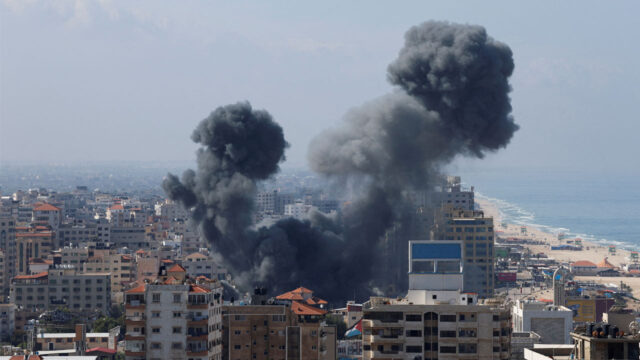
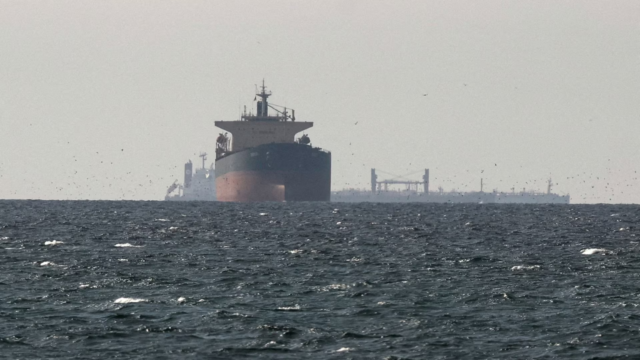
He warned that disruptions to key global shipping routes, including the Strait of Hormuz, could significantly tighten fuel supply in the coming weeks.
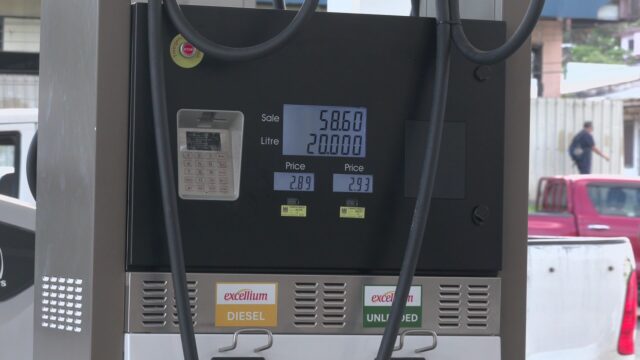
Rabuka stressed that fuel is still available and there is no immediate shortage, but rising global prices mean Fijians should expect further increases locally.
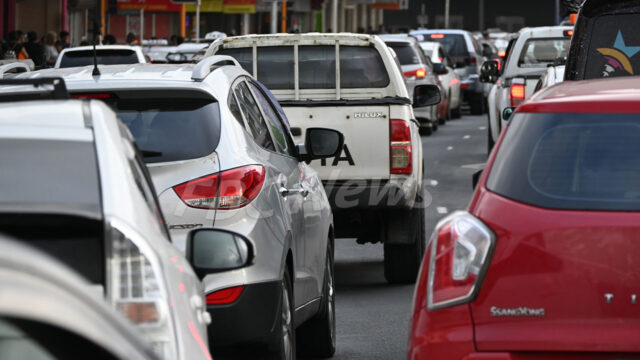
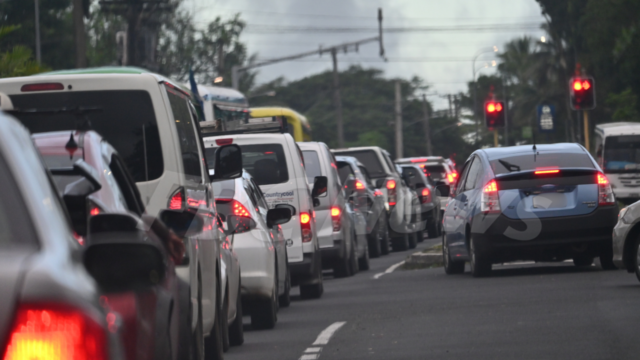
He cautioned that unnecessary stockpiling and increased consumption are already putting pressure on national reserves.
“There is no immediate shortage. However, to be clear, increased consumption and unnecessary stockpiling are already putting pressure on our national reserves. Fijians should also understand what is happening globally. The cost of fuel on the world market has already risen sharply, and it continues to rise. The fuel we are using today was purchased at a lower price in previous months, but the fuel that will arrive in the coming weeks is being purchased at much higher global prices.”
He adds that Fiji currently has about 50 percent fuel supply, with secured shipments expected to last until the end of May.
However, beyond that, supply remains uncertain if global conditions do not improve.
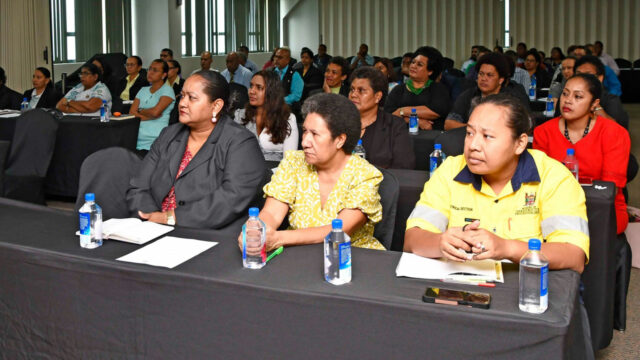
Rabuka adds that the government has activated a whole-of-government response, including coordination through the National Disaster Management Office and the Fuel Advisory Committee, to prepare for any humanitarian and economic impacts.
“This is to begin planning for and responding to any potential humanitarian impacts arising from this situation. This coordination will operate through Fiji’s existing cluster system, bringing together government agencies, civil society, and international partners in a whole-of-government and whole-of-society approach. In simple terms, the Fiji cluster system is a proven platform that we use in times of national crisis.”
Rabuka assured that the government is working with international partners, including Australia and regional bodies, to secure fuel supply and protect the economy, while maintaining stable foreign reserves.
He emphasized that while the situation is under control for now, vigilance and responsible use will be critical as global uncertainty continues to unfold.