 Nikhil Aiyush Kumar
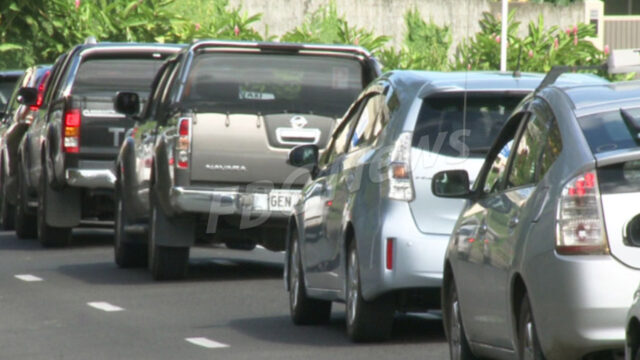
[Photo: FILE]
Fiji’s economic growth outlook for this year has been downgraded. Rising fuel costs, inflation, and global geopolitical tensions are weighing on the economy in the first half of the year.
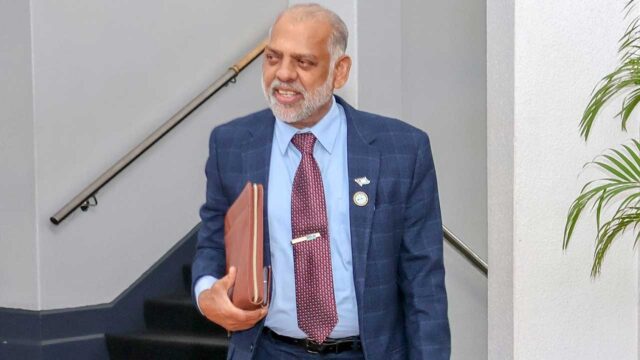
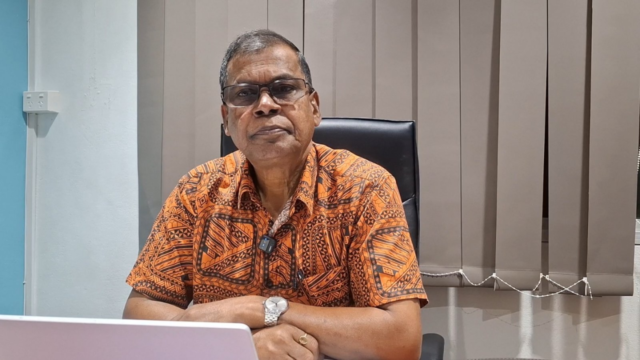
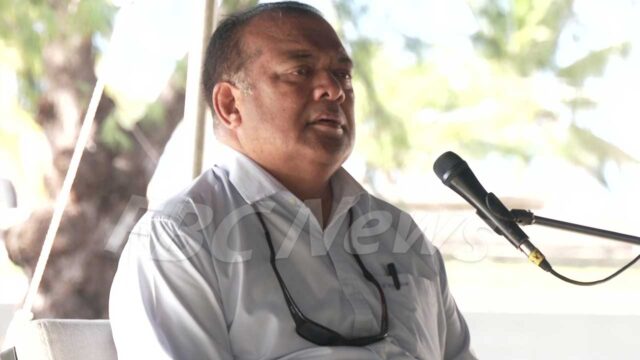
Head of Department at the College of Business, Hospitality and Tourism Studies at the Fiji National University, Ashwin Deo, states that the latest macroeconomic commentary report shows a worrying picture for growth.
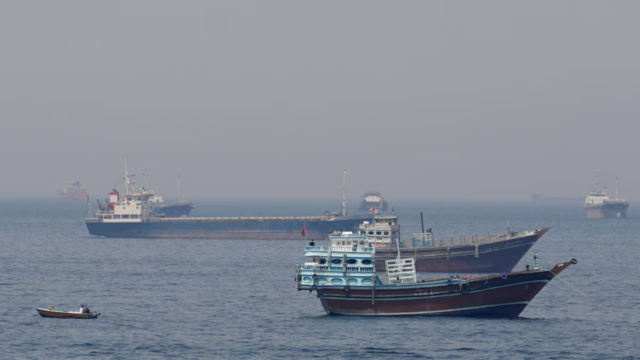
He says the downgrade is largely driven by geopolitical tensions in the Middle East. These tensions have pushed up global fuel and transport costs.
“The forecasted economic growth, which was around 3 percent, has now been revised downward to 1.5 percent. That is a significant drop of 50 per cent.”
Deo says inflation remains a major concern. Fiji’s inflation rate stood at about 3.9 per cent last month, and this is adding pressure on prices across the country.
Despite the challenges, Deo says tourism and remittance inflows continue to support the economy, and these continue to generate revenue and sustain demand.
“Looking at the aggregate demand and supply framework, tourism and remittances are somewhat supporting revenue generation. However, supply-side pressures, particularly imported inflation and rising fuel costs, are creating inflationary pressure on the economy”
Economics lecturer at the University of the South Pacific, Dr Nilesh Chand, says conditions have worsened since April and growth has slowed further since the start of the second quarter.
“The forecasted economic growth rate was 3 percent for the 2026 season, but this has now been revised down to 1.5 percent by the Reserve Bank”
Chand says rising fuel and energy costs are putting pressure on businesses and households and this is also slowing overall economic activity.
Economists say tourism and remittances are still providing some resilience. However, higher fuel costs, rising utility prices, and persistent inflation are expected to remain key challenges in the months ahead.