 Sainimili Magimagi

[File Photo]
The government has set a 40 per cent GDP target for MSMEs by 2030, up from 18 per cent before COVID-19.
The target places MSMEs at the centre of government’s economic growth strategy, with the sector already accounting for about 60 percent of the country’s labour force.
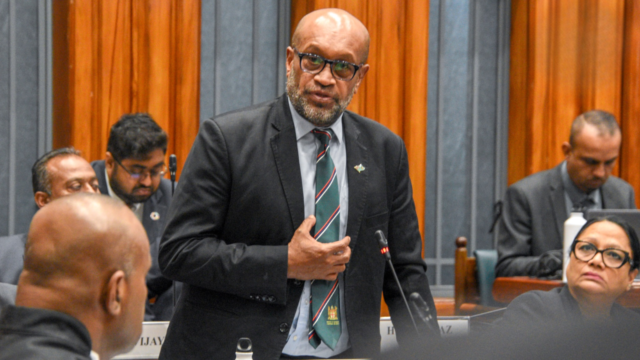
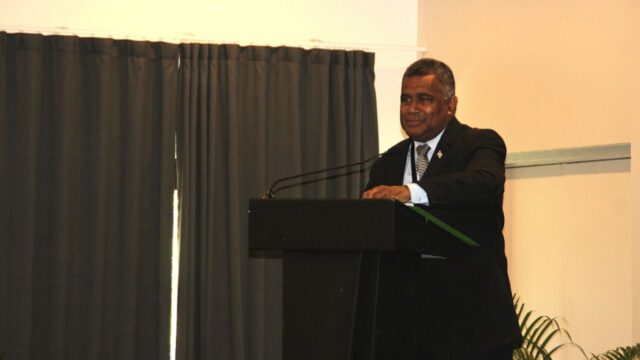
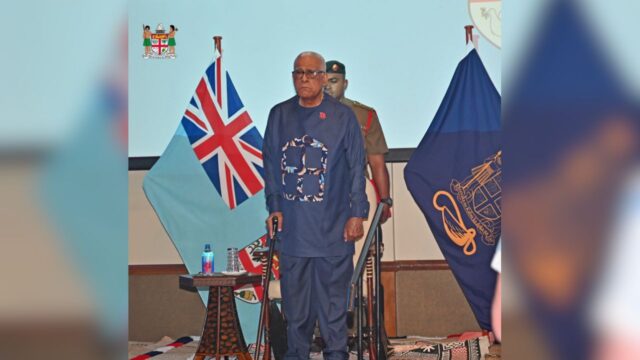
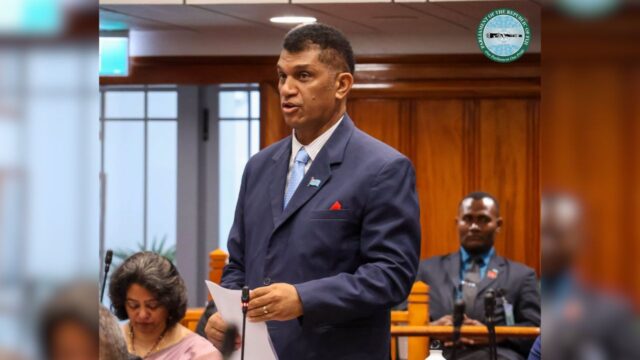
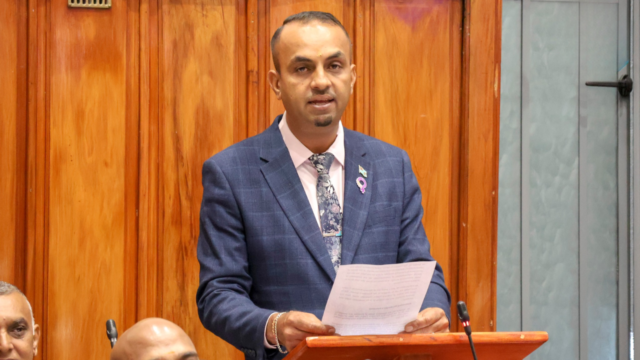
Assistant Minister for Industry, Commerce and Business Development Sachida Nand states the MSME Strategic Plan 2025–2030 is intended to move local businesses beyond survival and towards sustainable growth.
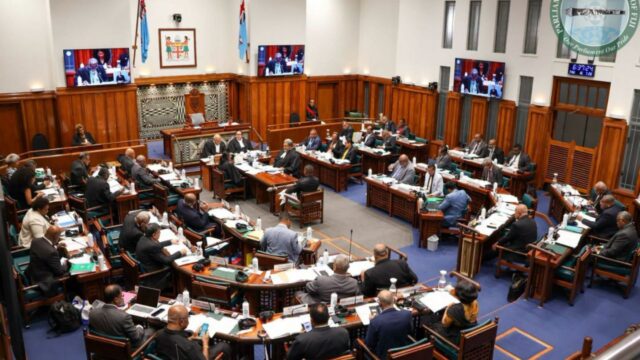
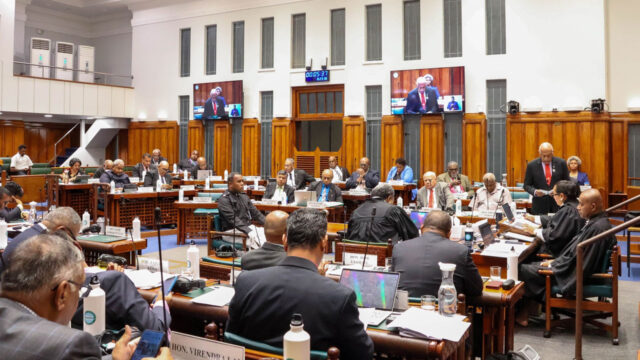
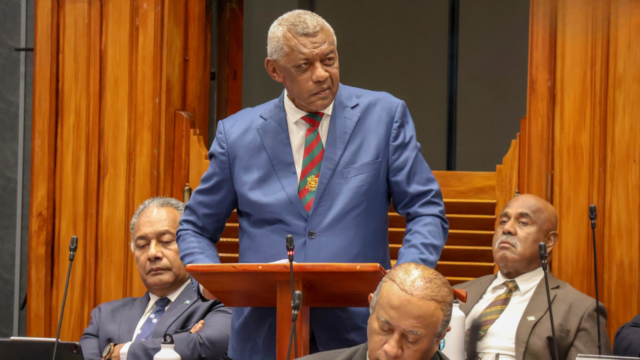
Delivering his end-of-week statement in Parliament, Nand says MSMEs provided employment to about 60 per cent of Fiji’s labour force before the pandemic.
He believes their actual contribution may now be significantly higher, given the number of Fijians who have moved into self-employment and informal business activities since COVID-19.
But expanding the sector will require more than encouraging people to start businesses.
Nand identifies access to finance as a major constraint, saying many entrepreneurs have viable products and customers but lack the working capital, equipment and investment needed to expand.
He says businesses also need reliable infrastructure, digital connectivity, simpler registration processes, access to government procurement and stronger links to private sector supply chains.
Nand points to the Access to Business Funding Act 2025, which provides a framework for alternative financing options, including peer-to-peer lending and equity crowdfunding.
He also cites the Personal Insolvency, Financial Rehabilitation and Entrepreneurial Rescue Act, passed by Parliament, as another step towards supporting businesses.
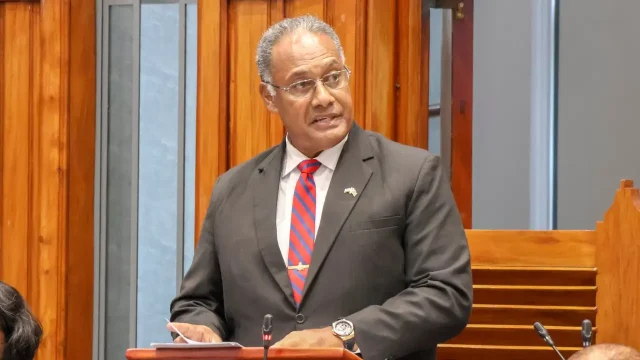
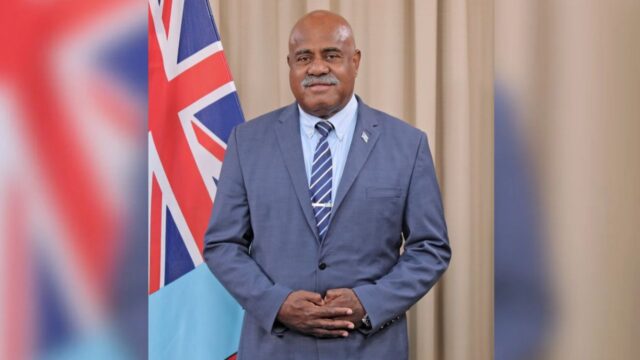
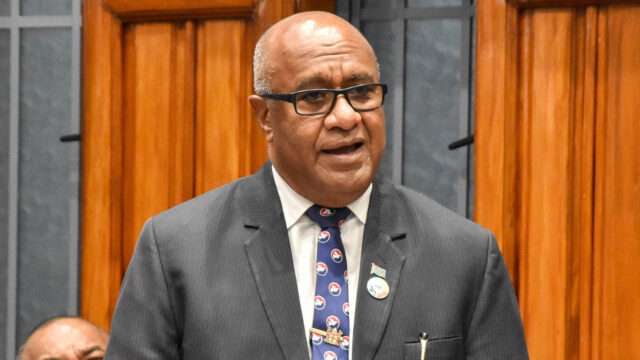
Responding to the statement, Deputy Prime Minister Manoa Kamikamica says the expansion of MSMEs is central to the Government’s efforts to diversify the economy and reduce reliance on a handful of major industries.
Kamikamica says the sector already supports economic activity across agriculture, fisheries, tourism, manufacturing, transport and professional services, while bringing employment and income opportunities into rural communities.
He points to growing involvement from financial institutions, Fijian Holdings Limited and the iTaukei Land Trust Board, saying these organisations are beginning to develop products specifically for small businesses.
Kamikamica also sees cooperatives becoming a major force in rural economic development over the next five to ten years.
He cites a cooperative in the interior of Navosa that now processes yaqona and transports it directly to the Sigatoka Market, cutting out middlemen and giving producers a more direct route to market.
Kamikamica says achieving the MSME targets will depend on the government policies and assistance matching the needs of businesses, particularly in financing and capacity building.