 Reuters
[Photo Credit: Reuters]
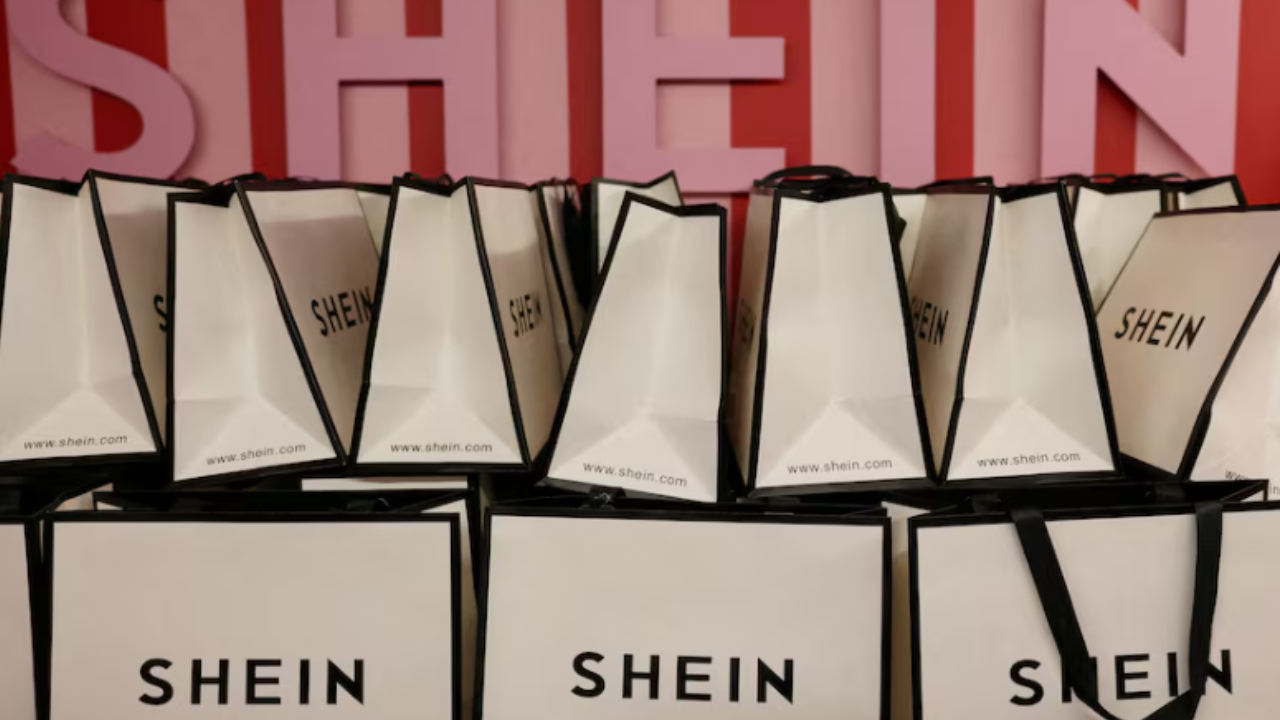
European Union charges on cheap ecommerce packages entering the bloc, which target Chinese platforms such as Shein and Temu, could raise €6 billion a year for the EU budget from 2028 to 2034, a Commission document seen by Reuters on Friday showed.
The estimate, previously unreported, shows the scale of Europe’s crackdown on a flood of cheap ecommerce imports, which it says mostly come from China.
Some 5.8 billion parcels worth less than €150 entered the EU last year, a 26% rise from the previous year, according to the European Commission, which estimates the majority were undervalued to avoid customs duties.
The EU will impose an additional €2 fee on cheap parcels on November 1, raising the charge per separate item further after a €3 charge has been imposed since the start of July.
Temu’s owner PDD Holdings (PDD.O), opens new tab said in August that the move would have a considerable impact on parts of the business, without quantifying it. Shein (0625.HK), opens new tab makes about a third of its revenue in Europe, and its sales in the region had already fallen before the fees were imposed, as it raised prices and cut ad spending.
A European Commission spokesperson declined to comment on the revenue estimate. In a briefing with reporters on Friday a separate Commission official said they could not prejudge the ecommerce revenue.
Dirk Gotink, the European Parliament lawmaker leading the bloc’s customs reforms, said the new €2 fee was to tackle “a highly toxic business model of low value non-compliant e-commerce imports from China”.
The estimate accounts for an expected decline in the numbers of low-value parcels entering the EU as Brussels expects retailers to adjust to the measures.
The EU fees follow similar moves by the US last year to scrap duty-free treatment of online orders to address concerns over unfair competition and unsafe products.
The Commission estimates some 90% of the fees collected will go into EU coffers and 10% to member states, but that could change if member states push to keep more of the proceeds, with negotiations over the 2028-2034 budget ongoing. Currently, EU member states keep 25% of the fees.
Chinese ecommerce groups have already begun adapting. AliExpress, owned by Chinese ecommerce giant Alibaba (9988.HK), opens new tab, said it was increasing local warehousing in response to the fees, but warned the charges would hurt low-income households in Europe and “exacerbate the cost-of-living crisis”.
Temu has been offering some shoppers a discount on the fees, according to screenshots seen by Reuters, highlighting the pressure to limit sticker shock for consumers used to ordering €3 jewellery and €5 dresses. Temu did not respond to a request for comment.