 Litia Cava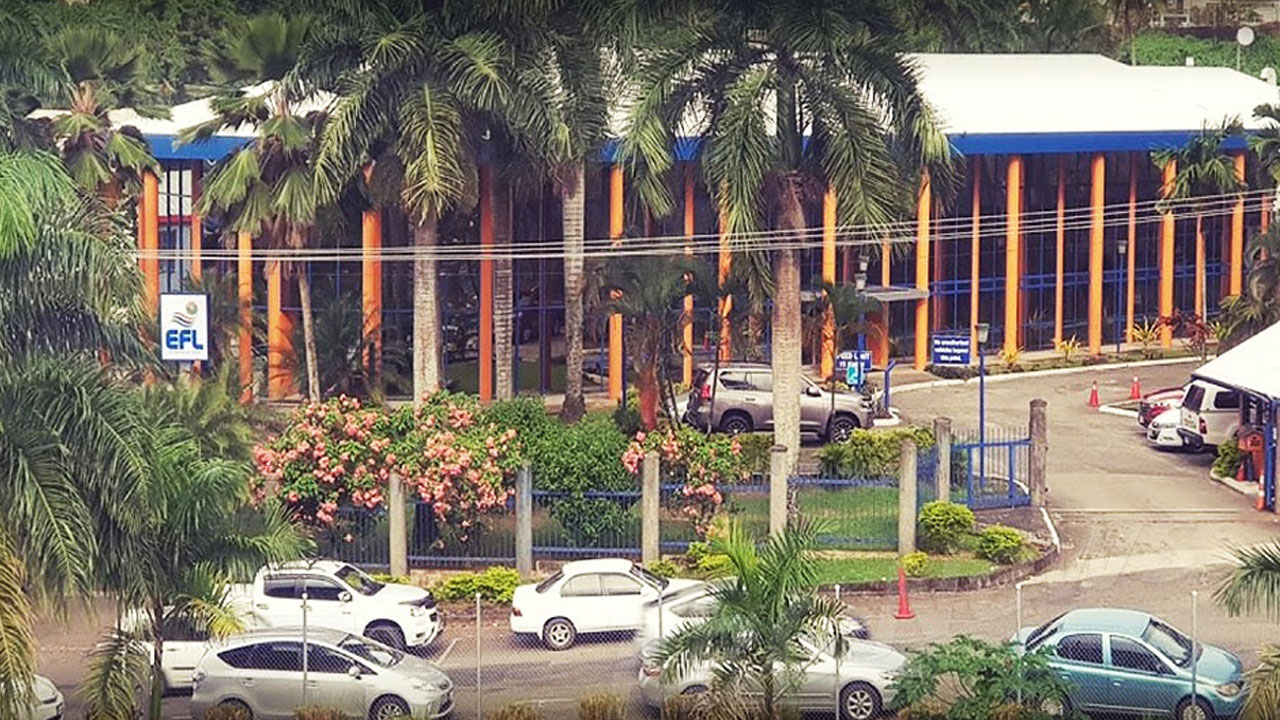
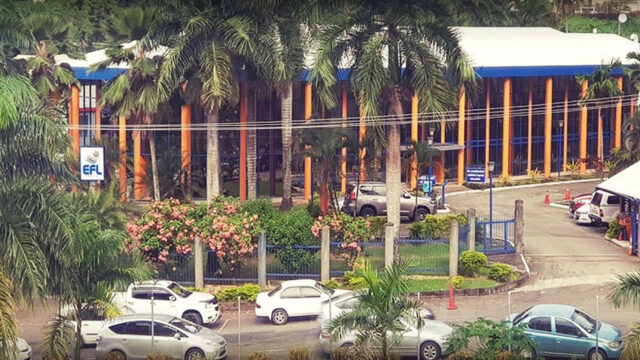
[Photo: FILE]
Imported fuel accounts for about half of Energy Fiji Limited’s revenue.
This is putting pressure on the company’s ability to invest in its renewable energy transition.
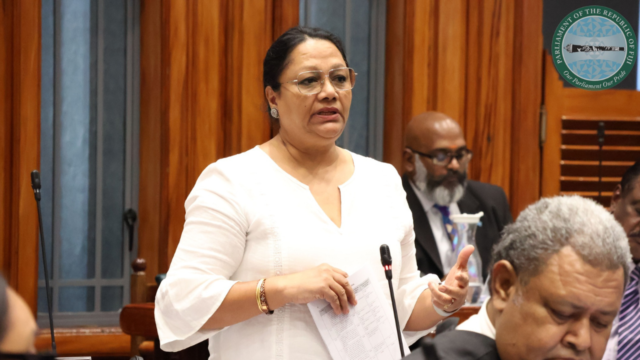
The issue was raised by Committee Member Premilla Kumar, who pointed out that with fuel making up about 50 per cent of EFL’s operating costs, little may be left for investment.
EFL Chief Financial Officer Seimisi Tawake then explained that fuel costs currently account for about 52 per cent of revenue.
He said the figure was expected to fall to around 33 per cent by 2029 as EFL works towards its 60 per cent renewable energy target.
“We do understand that we will still have some thermal generators still operating. It is basically the same as Monosavu when it happened back in 1983 on hot standby as I think CEO has already mentioned that in the previous committee meeting.”
Tawake said fuel costs could drop to around 10 per cent by 2035 once major hydro projects and the enhancement of Nadarivatu come online.
The figures came as Committee Member Semi Koroilavesau questioned EFL on how it plans to reach Fiji’s 90 per cent renewable energy target by 2035.
EFL Chief Executive Officer Fatiaki Gibson said the company was confident of reaching the target, with solar development expected to drive the transition over the next four years.
Gibson says EFL is also progressing the Savatu, Namosi and Qaliwana hydro projects.
Savatu and Namosi are targeted for commissioning around 2031 to 2032, while Qaliwana is expected to come online around 2032 to 2033.
But Gibson states EFL will need government support, including tariff arrangements and guarantees, to secure the financing required.
Tawake says EFL cannot put the entire $2 billion investment on its own balance sheet.
He stated that the company was therefore seeking private capital, independent power producers, joint ventures and concessional financing.
Tawake said transmission infrastructure would also require significant investment, with about $731 million identified in an Asian Development Bank feasibility study.
He adds that EFL must have the transmission network ready to connect two major solar projects expected to come online by late 2028 or early 2029.
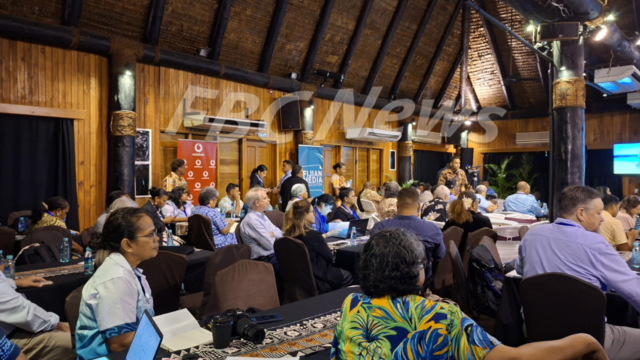
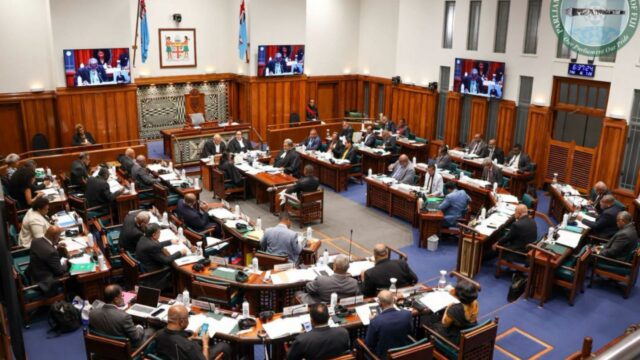
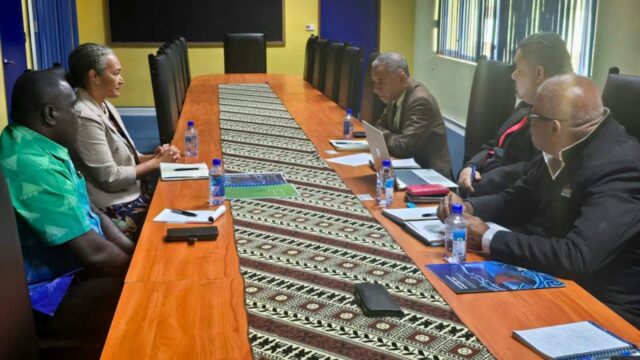
The team appeared before Parliament’s Standing Committee on Economic Affairs to present its 2025 Annual Report.