 Kelera Ditaiki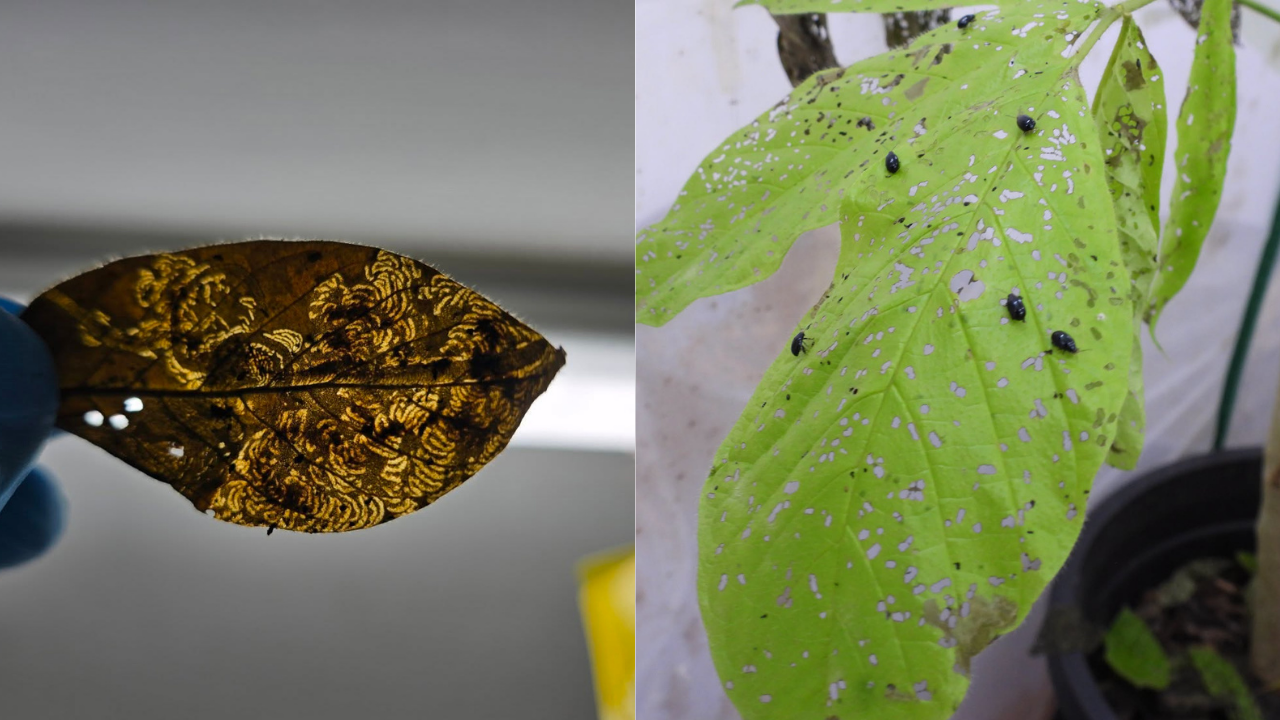
[Photo: FILE]
Research into sustainable ways of controlling the invasive African tulip is progressing at the Ministry of Agriculture’s Koronivia Research Station, with two biological control agents currently studied under strict containment.
The research involves a gall-forming mite, Colomerus spathodeae, and a leaf-mining flea beetle, Paradibolia coerulea, imported to manage African tulip populations in Fiji.
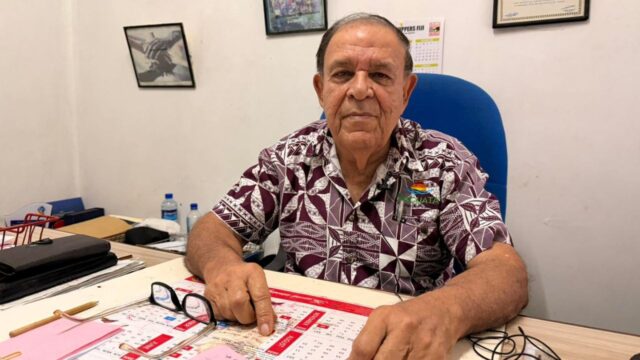
Director Research and Agriculture Scientific Services, Dr Shalendra Prasad, says biosecurity and environmental safety remain central to the research, stressing there has been no field release of either agent.
Prasad says their focus is to generate scientific evidence through host-specificity testing and confined trials before considering a future field release.
The research is being undertaken at the Plant Protection Biocontrol Unit’s Biosecurity Approved Premises at Koronivia under conditions established by the Biosecurity Authority of Fiji.
Dr Prasad says early results have been encouraging.
He adds that the flea beetles have reproduced through two generations under containment, with approximately 850 additional beetles emerging, while the gall mite is also establishing.
The first round of host-specificity testing is complete, with a second round underway involving additional plant species.
Preliminary findings indicate both agents strongly prefer African tulip, with no adverse impacts observed on non-target species tested.
Dr Prasad says further testing and analysis must be completed before any decision on a field release.
“Biological control has the potential to provide a sustainable management option for African tulip, but it must be supported by robust scientific evidence and strong biosecurity safeguards.”
A comprehensive research report will be submitted to BAF for assessment once research is completed. Any future field release would require separate written authorisation from BAF.