 Litia Cava
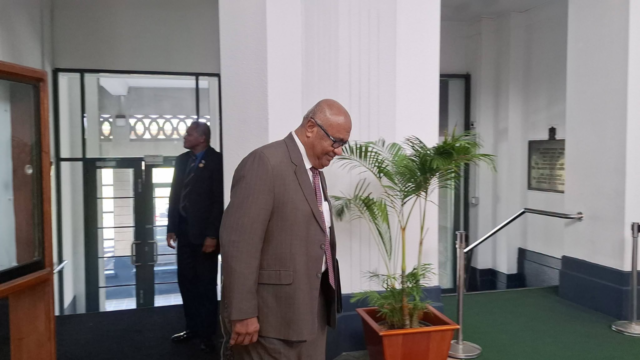
[Photo: File]
Parliament is being left in the dark on the Financial Intelligence Unit’s performance by weak reporting.
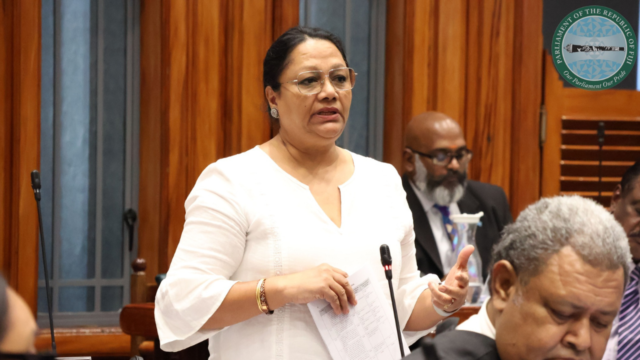
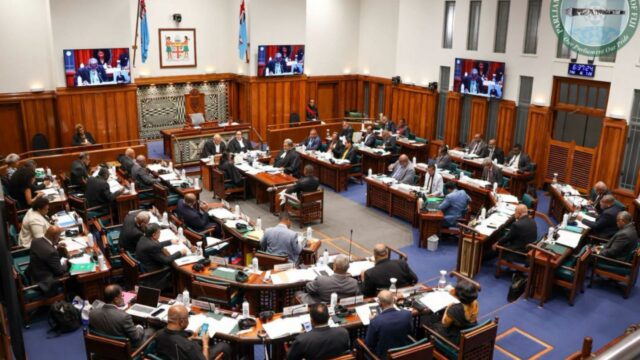
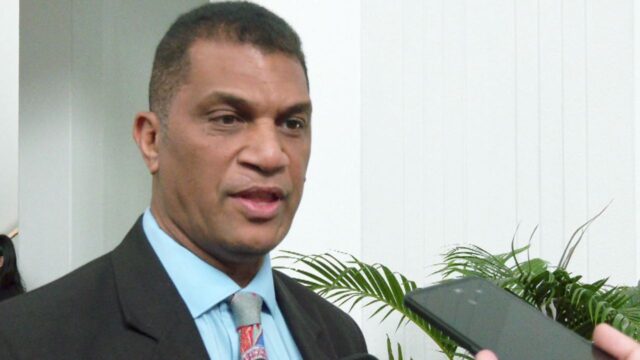
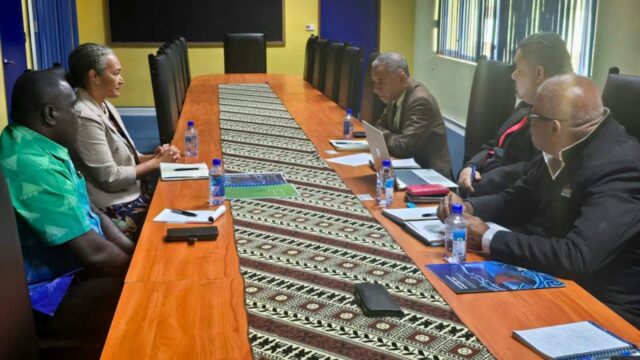
Opposition MP Premilla Kumar delivered the blunt assessment during scrutiny of the FIU’s 2024 Annual Report before the Standing Committee on Economic Affairs.
“Whatever system you have currently is not working. Whatever system you have currently is not working. That’s all I want to say in a very bold way. Looking at your report,
it’s not working. You need to disrupt the system, find new ways and make sure that it works.”
Kumar’s criticism centred on missing performance targets, limited feedback from law enforcement and the removal of case studies from the annual report.
She questioned how Parliament can assess the FIU when the report states what the unit achieved but does not show what its targets were.
Kumar pointed to the FIU’s inspections as an example.
If the unit reports that it visited four real estate businesses and one lawyer, she said the report should also state what the target was for that year.
FIU Director Caroline Pickering accepted the point.
She stated the unit has targets in areas such as on-site inspections, but those targets are currently contained in its separate work plan.
Pickering agreed that targets should be reflected in the annual report to give a more balanced picture of performance.
Kumar also challenged the FIU over the quality of its intelligence reports.
Fiji Police had told the committee that some FIU reports lacked sufficient quality and depth.
Police also raised delays in feedback and said the quality of information and intelligence shared needed improvement.
Pickering says the FIU has discussed the issue with police but usually receives general comments rather than specific information about what is missing.
She says the FIU needs investigators to identify exactly what information they require so the reports can be improved.
Kumar rejected the idea that the FIU should wait for others to tell it what constitutes a strong intelligence report.
She suggested the unit work with international organisations to examine how other financial intelligence agencies prepare reports for investigators.
Kumar also questioned the role of seconded police and Fiji Revenue and Customs Service officers within the FIU.
The unit confirmed it has a police officer and FRCS officers seconded to it.
Pickering explained that seconded officers work as FIU intelligence analysts and are not responsible for acting as a direct channel between the FIU and their home agencies.
Kumar said the seconded officers could play a stronger role if senior and experienced personnel were used to vet intelligence reports before they are sent out.
The committee also questioned whether the FIU’s legislation needs updating.
Pickering says the legislation is based on international anti-money laundering standards and does not require agencies to report outcomes back to financial intelligence units.
But she acknowledged that systematic feedback is considered international best practice.
The committee’s concern goes beyond the wording of the legislation.
Kumar says the FIU may have the information internally, but Parliament and the public cannot assess its performance if that information is missing from the annual report.
She called for targets, feedback, problems identified and planned corrective action to be clearly reported.
Pickering said the FIU accepts the challenge and would continue looking for ways to secure regular, systematic feedback.
The committee has made its position clear that producing intelligence is not enough and that the FIU must show what that intelligence achieves.