 Praneeta Prakash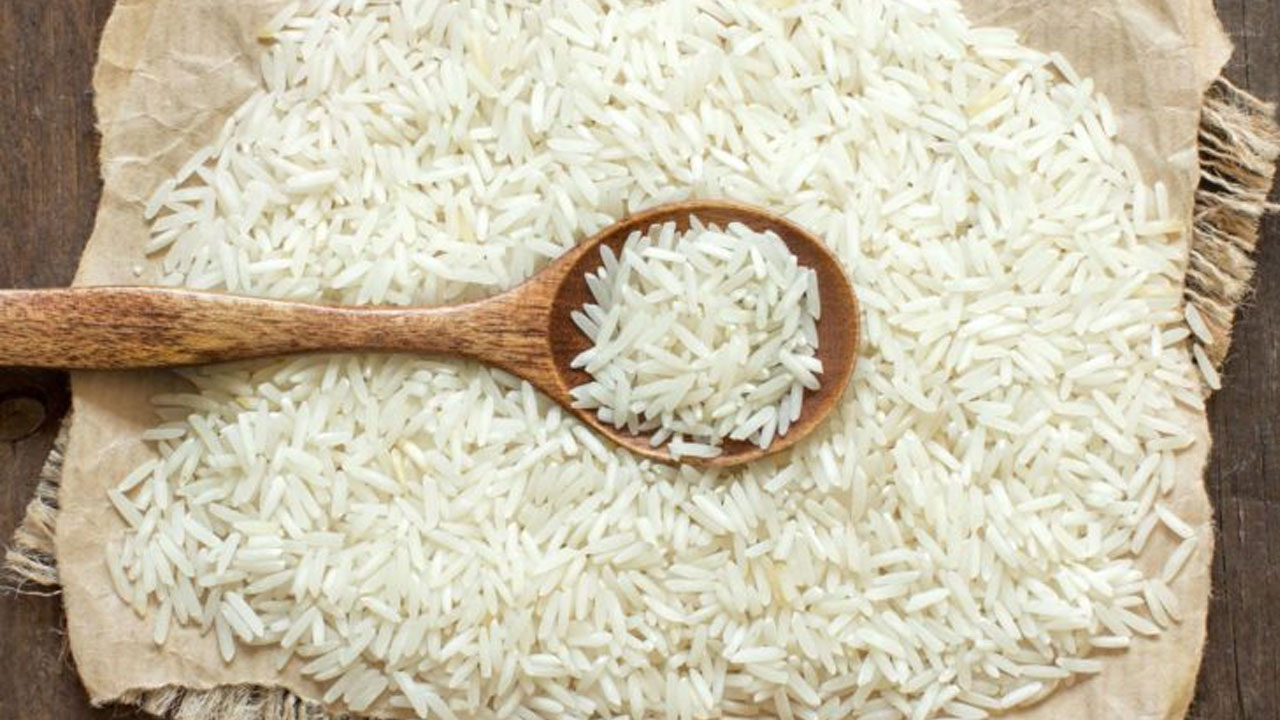
[File Photo]
The Fiji rice industry is calling for greater investment in the sector to increase local production, improve infrastructure and strengthen food security.
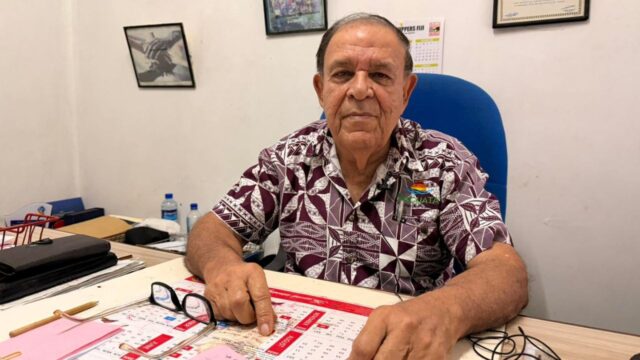
Fiji Rice Board Chair Raj Sharma says continued government support is helping farmers, with programmes such as the provision of mechanical rice harvesters to cooperatives improving efficiency and reducing challenges faced by growers.
Sharma says under the program, cooperatives contribute one-third of the cost while the government supports two-thirds, allowing more farmers to benefit from modern equipment.
One of the major challenges facing the industry, he states is fluctuating production levels, with this year’s output expected to decline due to a pesticide outbreak in Labasa.
Sharma estimates rice production could decrease by about 30 percent this year and says discussions have been held with the Ministry of Agriculture and Waterways on the next steps.
Fiji Rice, he adds is also working to expand production and encourage more farmers, including sugarcane farmers, to grow rice as an additional source of income.
The company is planning upgrades at its mills, including the installation of new silos to improve storage capacity.
Sharma said Fiji Rice was also moving towards a fully computerized system that will maintain detailed records of farmers, including the type of rice planted, production details and assistance received.
The industry, he shared is also exploring opportunities to export Fiji-branded rice to overseas markets at premium prices.
Sharma explained that brown rice produced by local farmers has health benefits, particularly for people with diabetes, but improving its shelf life remains a challenge.
He said the industry was working on improving cultivation, harvesting and drying methods to increase the storage period of brown rice.
Aaround 650 to 700 farmers are currently involved with Fiji Rice, while the wider rice sector has more than 1,000 farmers, including young people and community groups.
Efforts are also underway to expand rice production beyond the Northern Division, with farmers in the Western Division being supported through improved access to machinery, dryers and farm equipment.
According to Sharma, Fiji Rice is also looking at upgrading existing facilities rather than immediately building a new mill in Labasa following the recent pesticide issue.
He adds that with rising global costs and concerns over food security, Fiji must continue investing in local agriculture and support farmers to produce more for domestic consumption.