 Litia Cava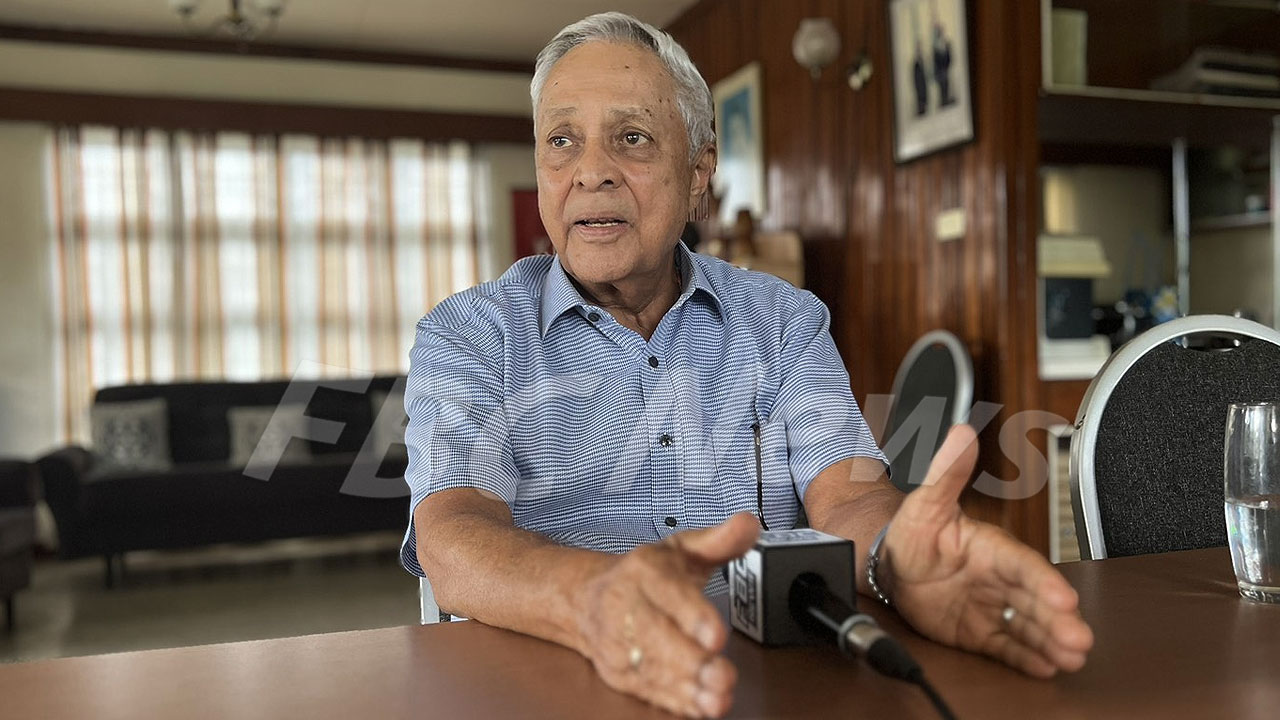
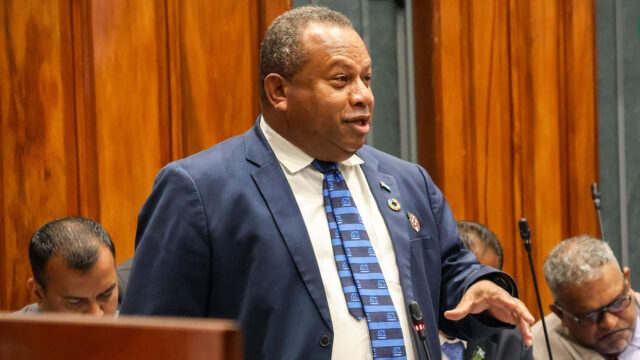
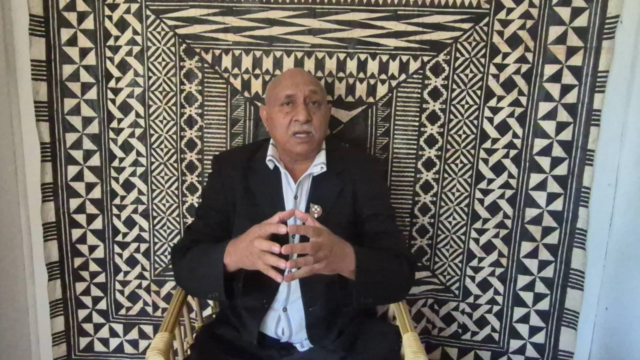
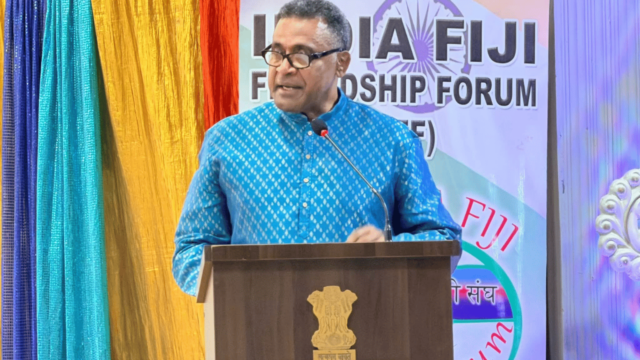
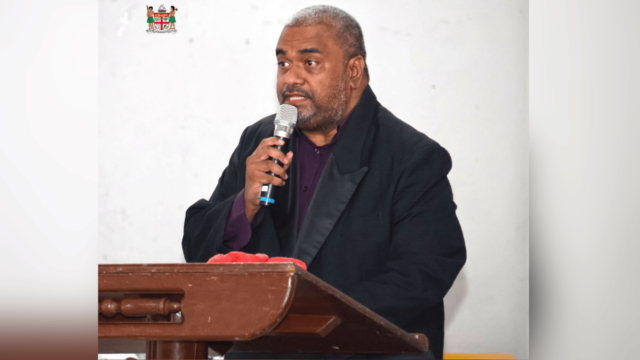
Fiji Labour Party Leader and former Prime Minister Mahendra Chaudhry. [Photo: FILE]
Fiji’s worsening economic pressure stems primarily from weak governance, failing institutions and a steady erosion of public trust.
This, according to Fiji Labour Party Leader and former Prime Minister Mahendra Chaudhry.
Speaking on governance, institutions and economic confidence, Chaudhry said the core problem was not a lack of policy direction but what he described as a breakdown in integrity and accountability across government systems.
He said governance should rest on integrity, accountability and trust but argued these principles have been steadily undermined over the years.
He added that both past and present administrations have failed to uphold commitments made during the 2022 election campaign, including promises to reduce the cost of living, lower debt, cut government expenditure and strengthen anti-corruption measures.
Instead, he said, ordinary families continue to face rising prices while political expenditure remains high.
Chaudhry also pointed to delays in key reforms required under the 2013 Constitution, noting that legislation on freedom of information, codes of conduct for public office holders and a transparency and accountability commission has still not been enacted.
He questioned the delay, saying it raises concerns about commitment to stronger accountability systems.
On public debt, he said major borrowing decisions are being made without prior parliamentary approval. He argued this weakens oversight, since Parliament is often asked to approve agreements after they have already been signed.
He said stronger parliamentary control over borrowing is needed to restore fiscal discipline and transparency.
Chaudhry also raised concern about political influence on state institutions, saying constitutional bodies and oversight agencies must remain independent to function effectively.
He said institutions such as the Fiji National Provident Fund and the Fiji Development Bank should be protected from political pressure and guided by professional decision-making.
On the economy, he said rising energy costs reflect weak long-term planning, with government responses remaining reactive rather than strategic.
He also warned of growing pressure in the sugar industry, noting that forecast cane prices for 2026 have fallen to around $57 per tonne. He said many farmers are questioning whether cane farming remains viable.
He called for an urgent national discussion on the sector and a clear land-use policy, citing fragmented land management under the iTaukei Land Trust Board.
Chaudhry further highlighted strain in the health system, including staff shortages, long waiting times and migration of medical workers.
He said social challenges such as drug abuse, HIV cases, non-communicable diseases and human trafficking are also increasing pressure on public services.
The FLP Leader added that politicisation of the civil service and weak parliamentary scrutiny are further weakening institutions.
Chaudhry said Fiji’s economic challenges are ultimately rooted in governance failures that have undermined investor confidence, reduced trust in institutions and slowed growth.
He said restoring confidence would require stronger institutions, transparent decision-making and disciplined fiscal management.