 Reuters
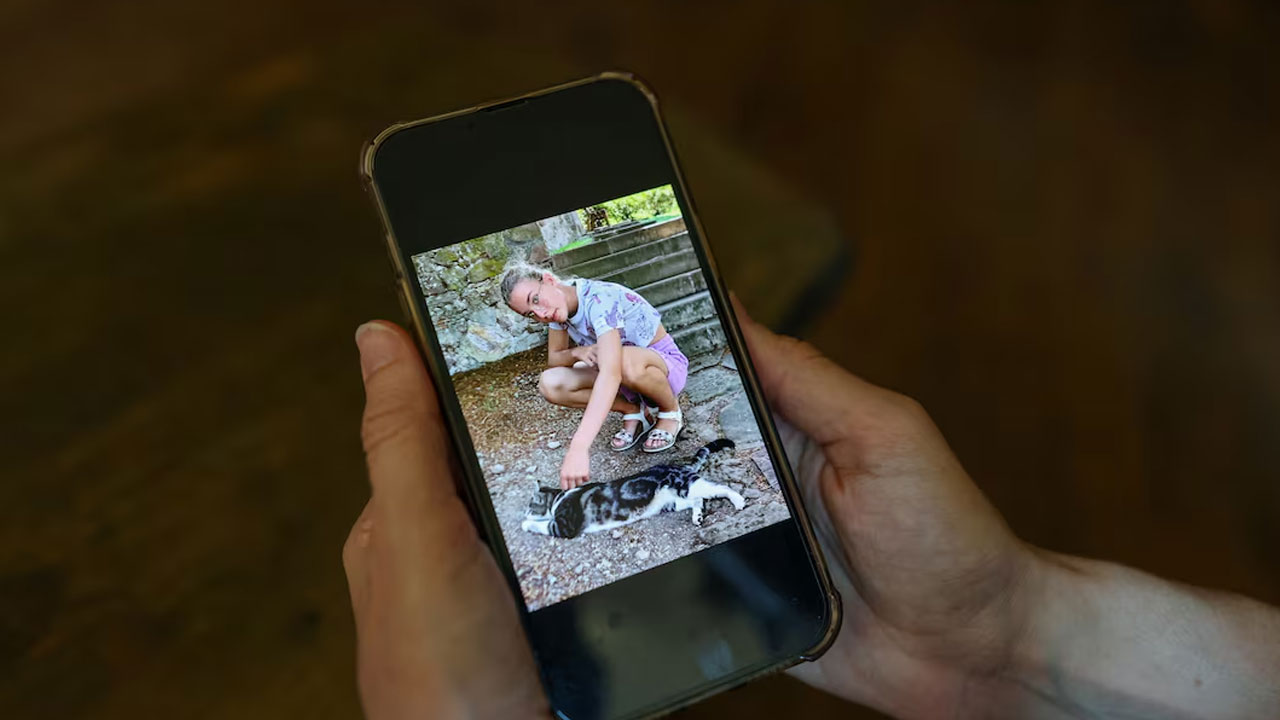
[Source: Reuters]
In the span of just a few months, Irene Roggero Ugues watched her daughter Rossella’s behaviour change as social media fed her an increasing stream of self-harm content, before the 12-year-old died by suicide.
Only after Rossella’s death did Irene and her husband unlock her devices. They found that she had been using social media far more than they had known, including maintaining a secret Instagram profile called ‘Just a dead pers0n’ with a zero instead of an o.
In September, 2023, they said, Rossella began searching for depressive material which mirrored how she felt. Social media algorithms kept pushing it back to her, and just five months later she was dead.
“At some point, it seemed to take on a life of its own, growing until it overwhelmed the cheerful, sociable side of her — the brighter part,” Irene told Reuters in a private room at a café in central Asti, her hometown in northern Italy.
Rossella’s parents are among a number of families in Italy that have brought a lawsuit against Instagram-and-Facebook-owner Meta (META.O), opens new tab, and its biggest social media rival TikTok.
In the first collective action in Italy to directly challenge social media companies and their algorithms, the families are seeking tighter limits on minors’ access and greater awareness of risks.
Both companies deny the lawsuit’s allegations that their services are harmful to young people, and say they take steps to protect young users by removing harmful content, limiting exposure to risky material and helping families manage children’s accounts.
“We know parents worry about the safety of their teens online, which is why we’re consistently making changes to help protect teens,” a Meta spokesperson said, citing its “Teen Accounts” and built-in safeguards.
“We strongly disagree with these allegations, which ignore our longstanding commitment to supporting young people.”
TikTok said its efforts include strict enforcement of guidelines aimed at protecting users’ mental and behavioural health, adding that it removes more than 99% of content that violates those rules.
“We also continue to invest in safety measures to diversify recommended content, block potentially harmful searches and connect vulnerable users with support resources,” a TikTok spokesperson said, citing local suicide prevention help lines.