 Sainimili Magimagi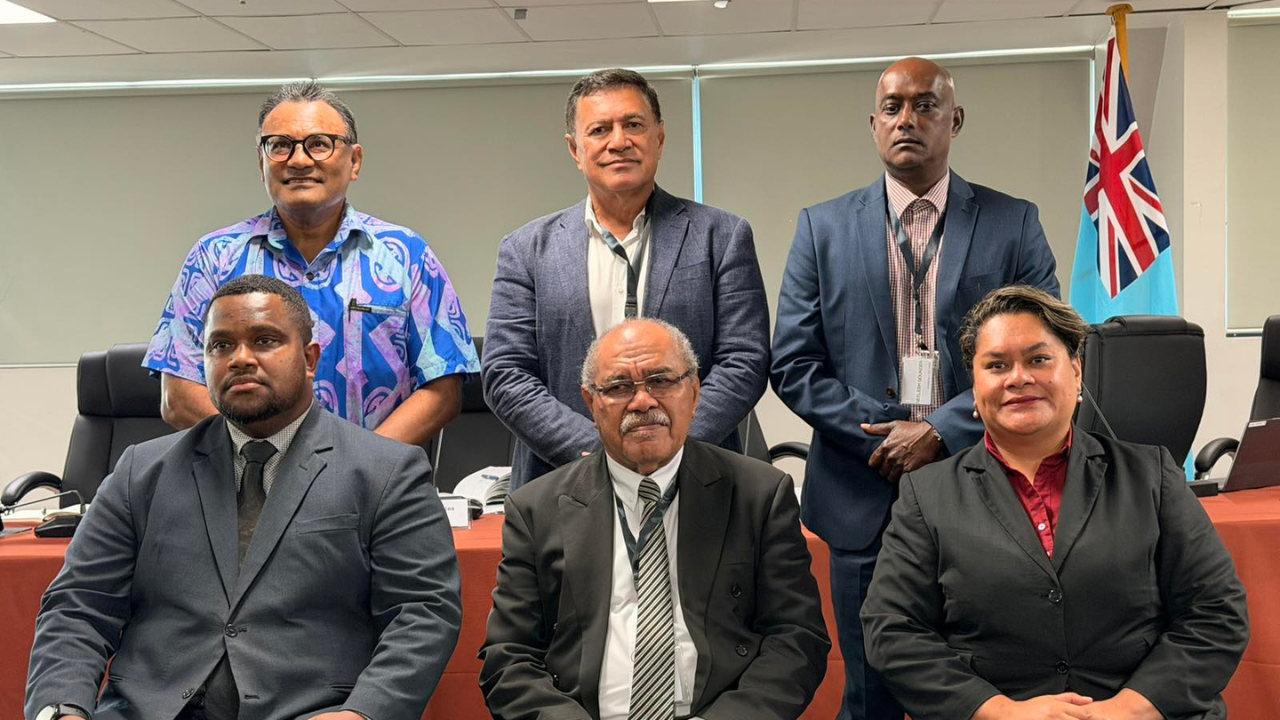
[Photo: SAINIMILI MAGIMAGI]
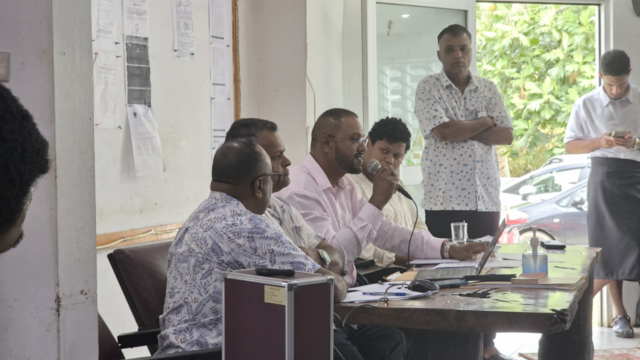
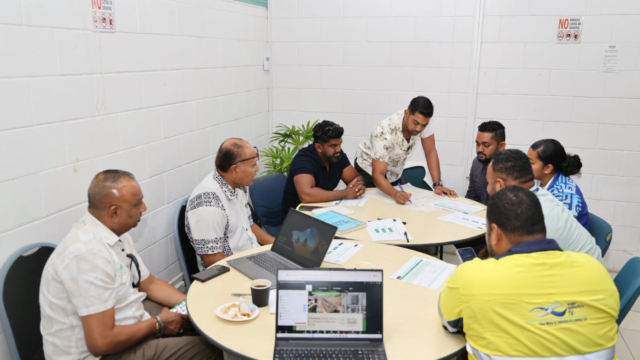
The Office of the Director of Public Prosecutions is raising concerns over gaps in the 2013 Constitution, warning that unclear wording could affect criminal accountability.
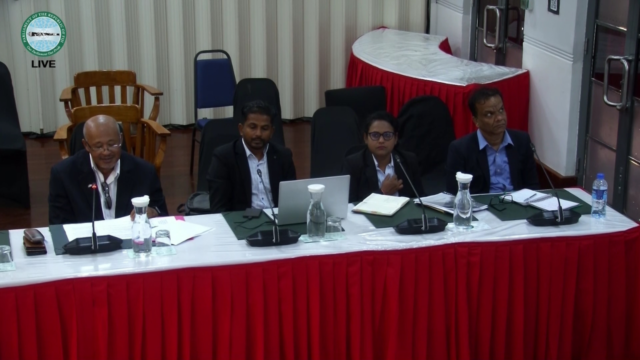
Acting Director Nancy Tikoisuva told the Constitution Review Commission that interpretation provisions under Section 163 have recently been tested in court, particularly the definition of “public service.”
She says the Constitution defines public service as the service of the State in its civil capacity, but then lists exceptions, including the judiciary, commissions, and offices created under the Constitution.
Tikoisuva says these exceptions are problematic.
She notes that in recent cases, the definition has been used as part of legal arguments in criminal proceedings, raising questions about whether some public office holders could be shielded from liability.
The Acting Director says the wording, in its current form, is unclear and open to different interpretations.
She adds that it may also suggest limits on the State’s ability to be sued, especially where constitutional offices such as the Director of Public Prosecutions, FICAC, and the Fiji Police Force are concerned.
Tikoisuva says there is no clear explanation for why these exceptions were included, and the lack of detailed background or records makes interpretation difficult.
“We did ask for a Hansard report; unfortunately, there is no Hansard report in this current constitution, and they are unhelpful. It was unhelpful at least in the briefing notes, as to why this particular definition was put in its form.”
She also highlighted a gap in the Crimes Act, which refers to “public service” in offences such as abuse of office, but does not define the term.
Tikoisuva says the only existing definition is in the Constitution, creating inconsistency across laws.
The ODPP is now recommending that definitions be aligned across legislation to remove ambiguity and ensure clarity, particularly in criminal matters.