 Litia Cava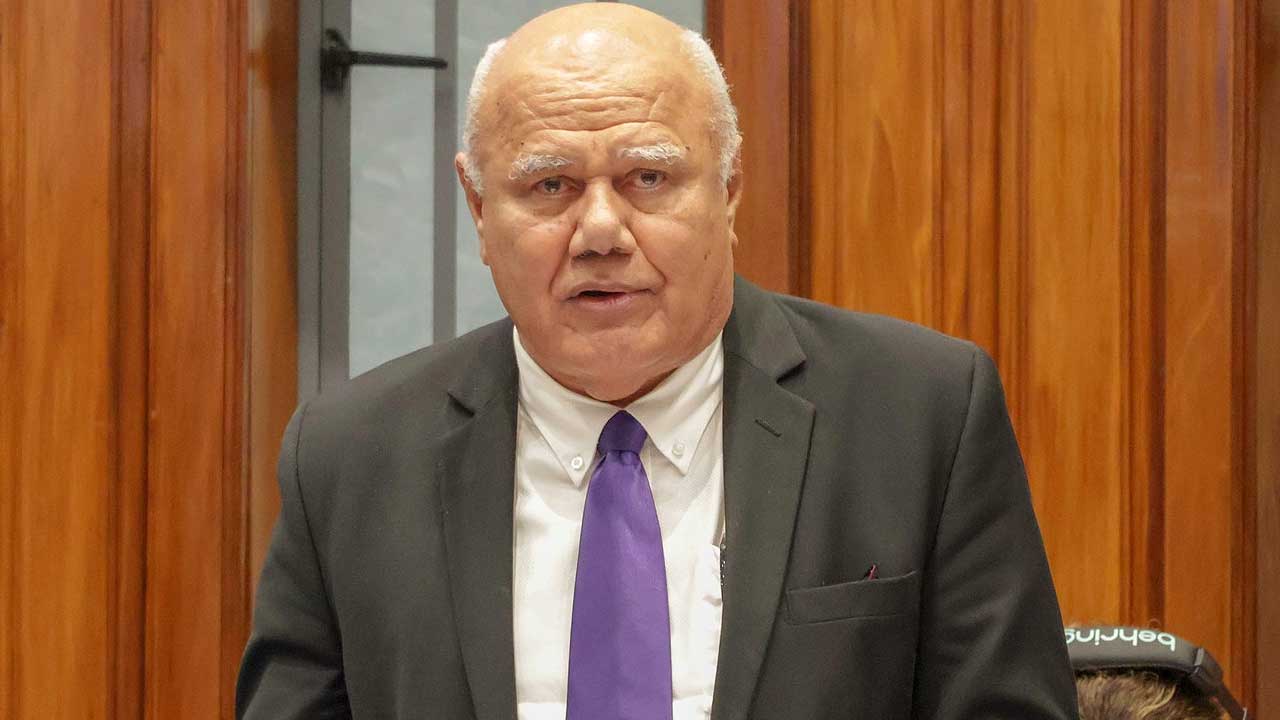
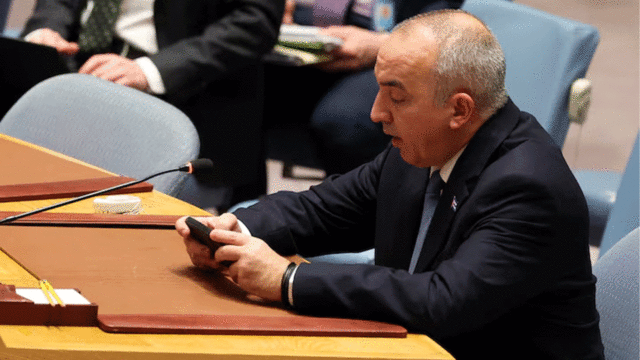
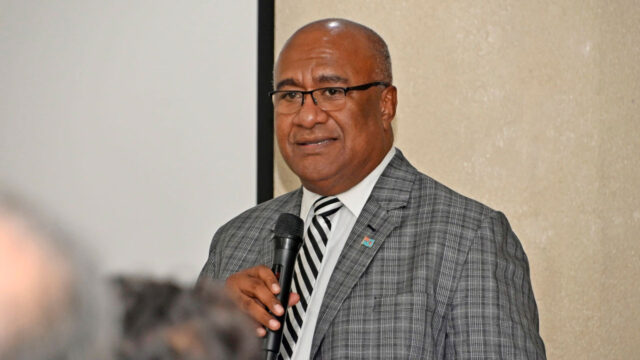
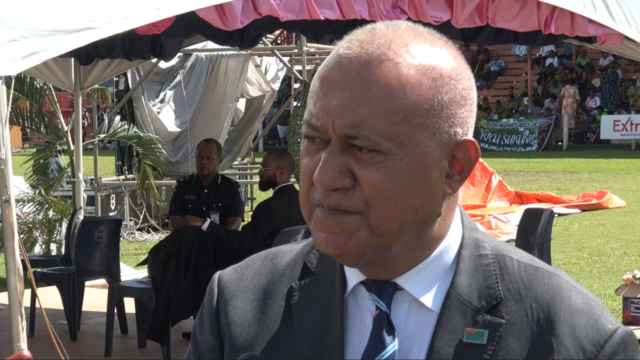
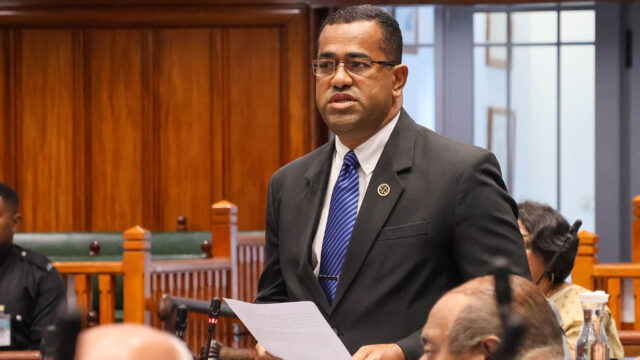
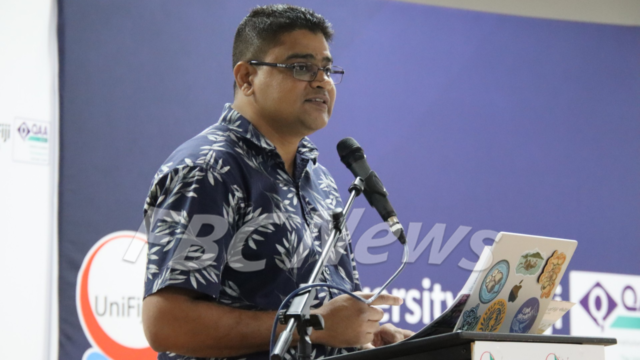
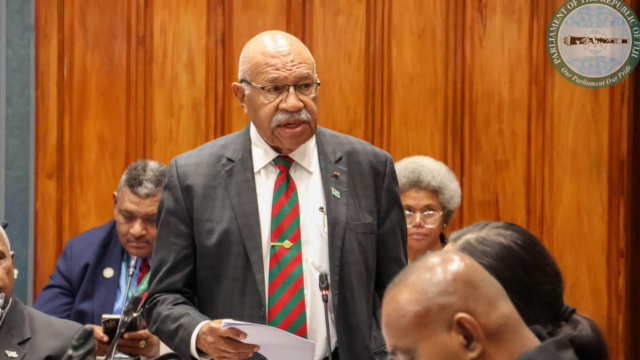
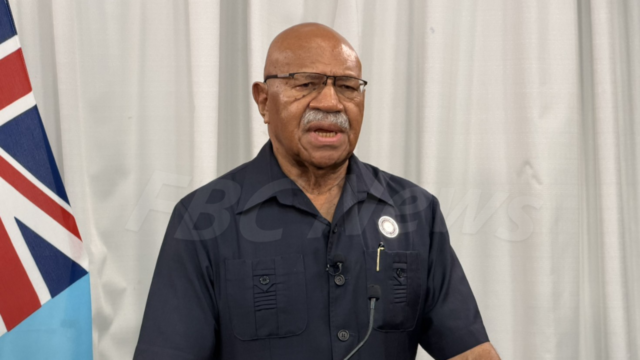
Deputy Prime Minister and Tourism Minister Viliame Gavoka. [Photo: FILE]
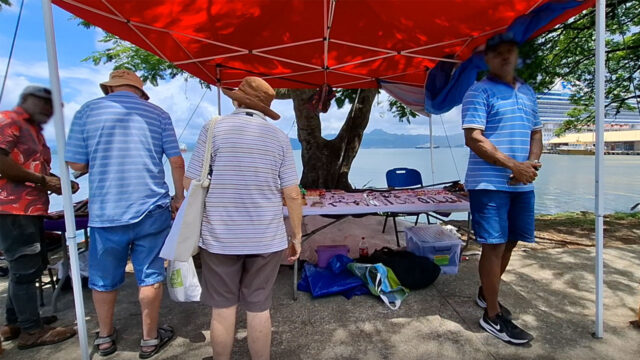
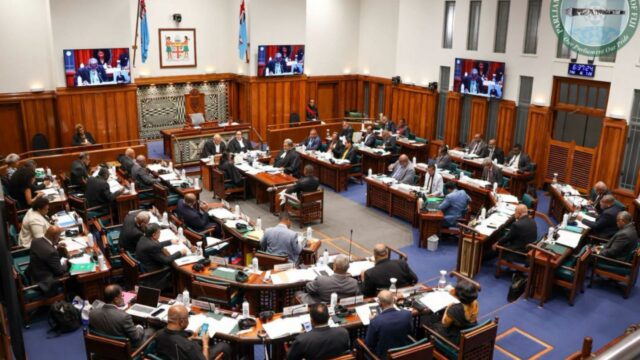
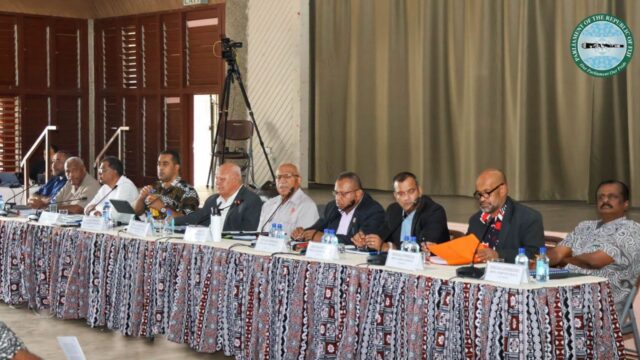
Parliament has heard renewed calls for clearer evidence that tourism growth is reaching rural, maritime and iTaukei communities.
The government has outlined reforms aimed at widening participation and spreading the benefits of the sector more evenly.
Deputy Prime Minister and Tourism Minister Viliame Gavoka said tourism remains Fiji’s key economic driver.
He reported 276,701 arrivals in the first four months of the year, a 4.6 percent increase compared to last year.
He said growth must now be measured by how widely its benefits are shared.
He said the government’s strategy is guided by the National Sustainable Tourism Framework 2024–2034. The framework places community wellbeing, culture and environmental stewardship at its centre.
Gavoka pointed to two major reforms. These are the Tourism Bill 2026 and the Commercial Use of Marine Areas Bill 2025. He said both are designed to strengthen participation and improve benefit sharing.
He said the marine areas bill responds to long-standing concerns from indigenous resource owners. These concerns relate to commercial activity in customary fishing grounds. He said the new framework would improve fairness and clarity.
The Tourism Bill, he said, will modernise the sector. It will also recognise community-based tourism. It will support MSMEs and village operators to enter the industry more easily.
Gavoka said the main barrier in rural areas was not interest. It is access to finance, infrastructure and markets. He said the government was addressing this through a tourism MSME fund and training programs.
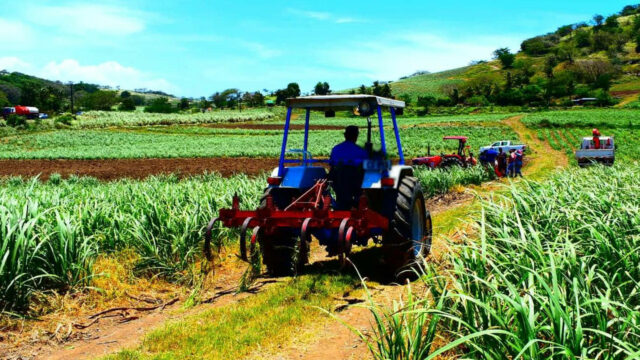
He also highlighted stronger links between tourism and agriculture. He said the aim was to reduce import dependence. He referred to the Farm to Fork program with the Food and Agriculture Organisation of the United Nations.
He said import leakage remains high, previously estimated at around $700 million annually. He said more local sourcing is being encouraged from farmers, fishers and women’s groups.
Opposition Members questioned which regions have directly benefited in the last three years. They said policy intent must be matched with measurable outcomes.
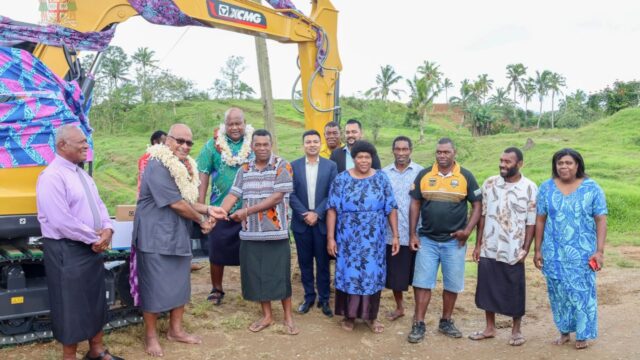
In response, Gavoka cited uneven but growing activity. He pointed to community tourism in the Yasawa group. He also mentioned emerging homestays in Lau.
He said eco-tourism projects are underway in Namosi. He also referred to developments in Cakaudrove, including Dawa and Vuadomo.
He said expansion into Vanua Levu and maritime regions remains a priority. He added that improved mapping and planning will support access to new tourism areas.