 Josefa Sigavolavola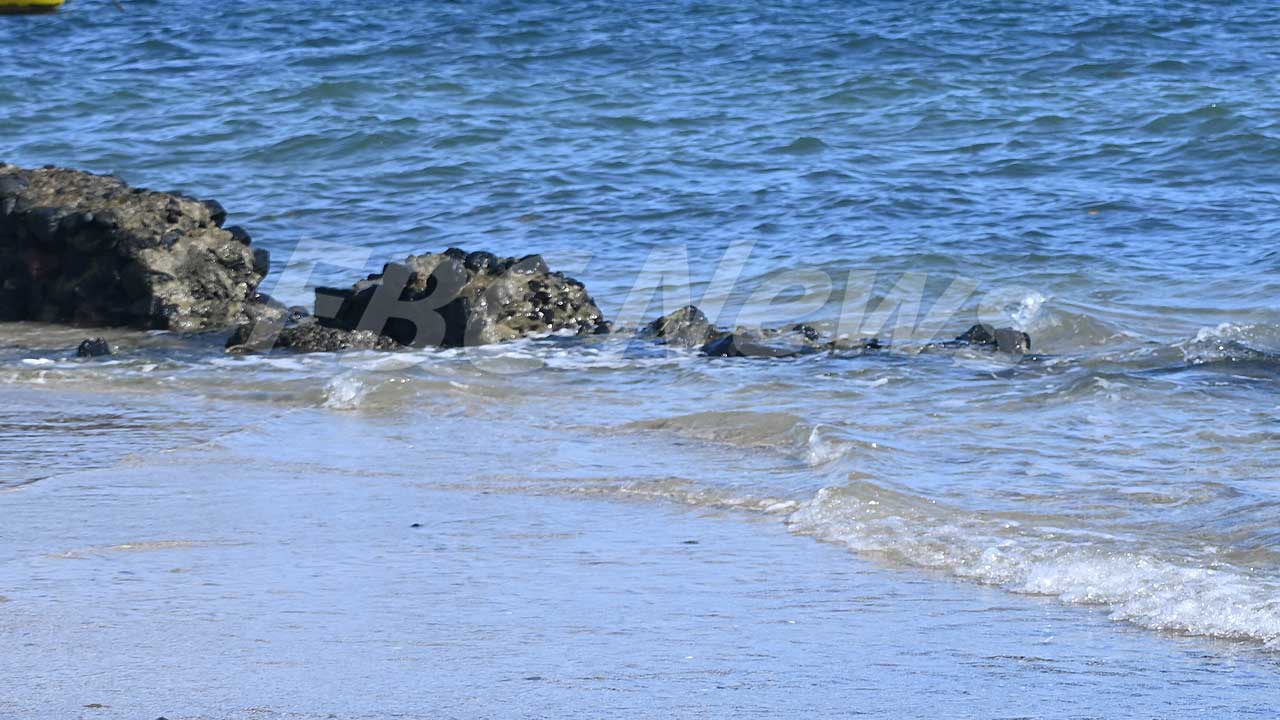
[Photo: FILE]
Without major interventions, sea-level rise could cost Fiji up to 2.6% of its Gross Domestic Product annually.
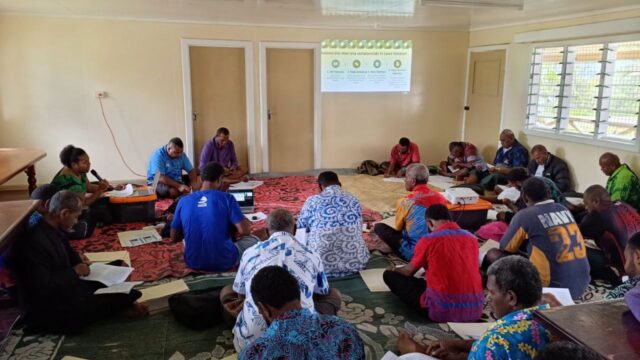
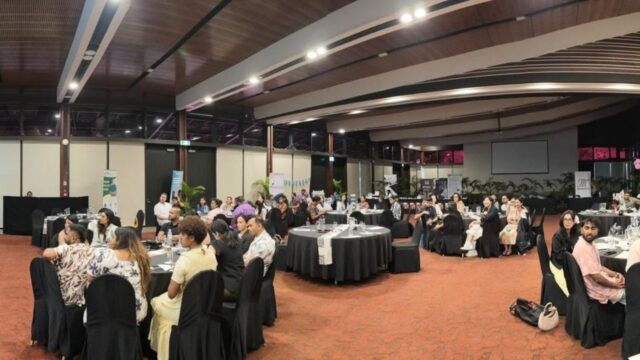
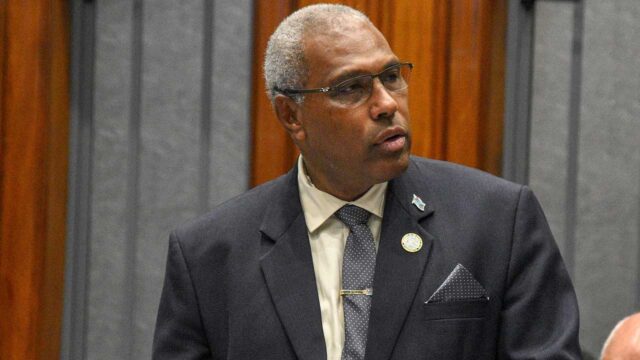
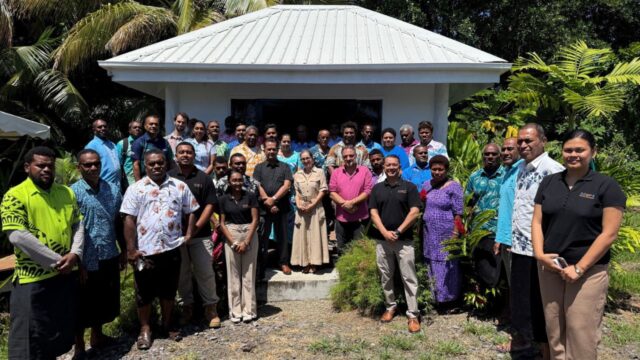
This was highlighted by the Minister for Environment and Climate Change, Lynda Tabuya, after a recent climate meeting in Suva.
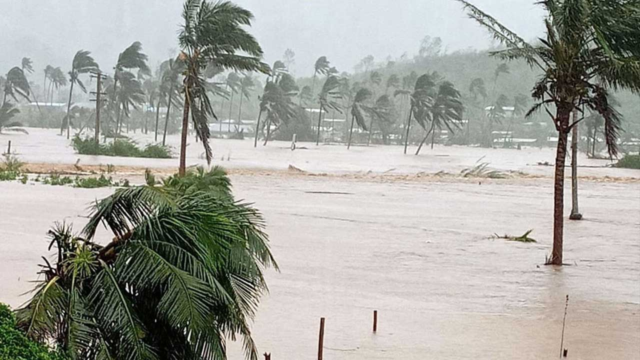
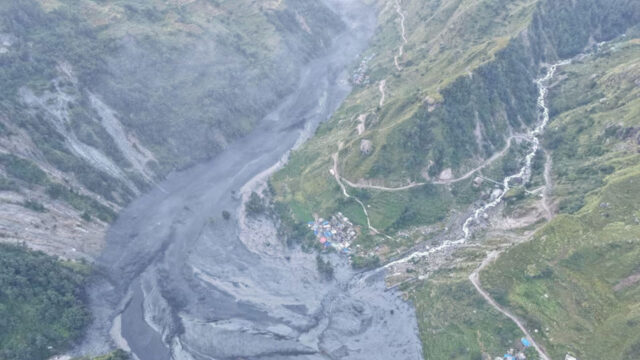
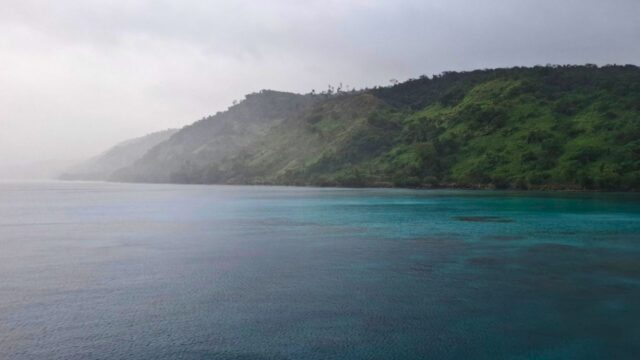
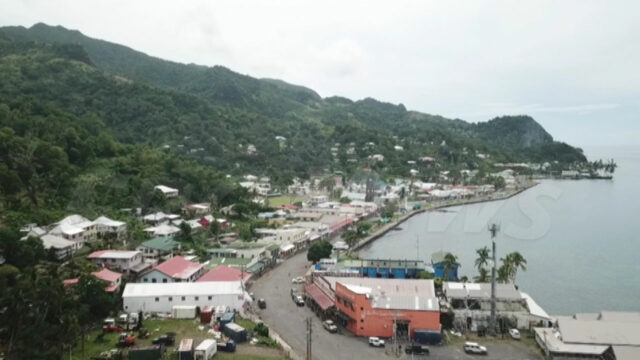
The Minister emphasized that rising seas are worsening in the region, causing more frequent and intense floods for local communities.
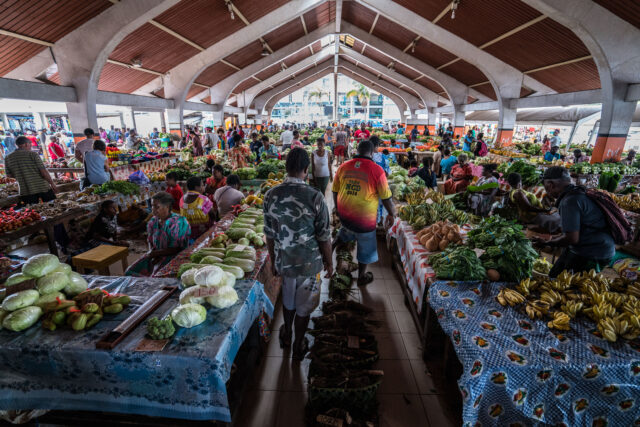
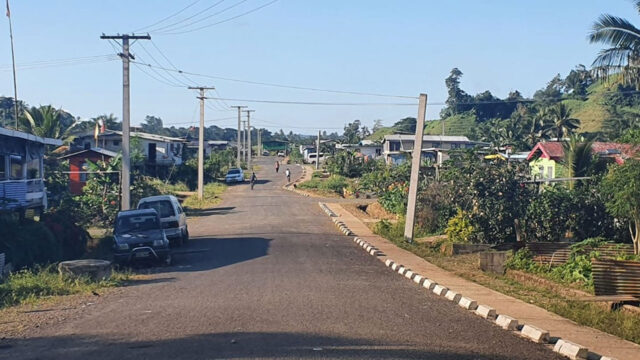
“Farmers are dealing with changing rainfall patterns, increased temperatures, and reduced crop yields. Coastal and river communities are already seeing erosion and flooding change the very nature and stability of the land they have occupied for generations.”
Records show that the sea level has risen by about 20-25 centimetres since the 1900s. The rate of increase is accelerating, driven by thermal expansion and melting glaciers and ice sheets.
The Minister explains that based on the country’s $14.25 billion GDP, a 2.6% loss equals around $370 to $390 million. These losses impact the economy through coastal erosion, relocation, saltwater intrusion, and infrastructure damage.
“We now face a high likelihood that global average temperature rise will breach the 1.5-degree temperature goal we have battled to embed as a core global objective in the Paris Agreement.”
Pacific Islands Forum Secretary General Baron Waqa confirmed the Secretariat is working with regional governments and climate organizations to build frameworks and mechanisms that address these threats.
“We have a unique platform to ensure that our priorities are not only present but clearly heard and reflected in global outcomes.”
As Fiji continues to navigate its complex climate sphere, a continuous loss to sea-level rise could risk the major concerns across key economic sectors, including agriculture, tourism, investment, and trade.