 Mosese Raqio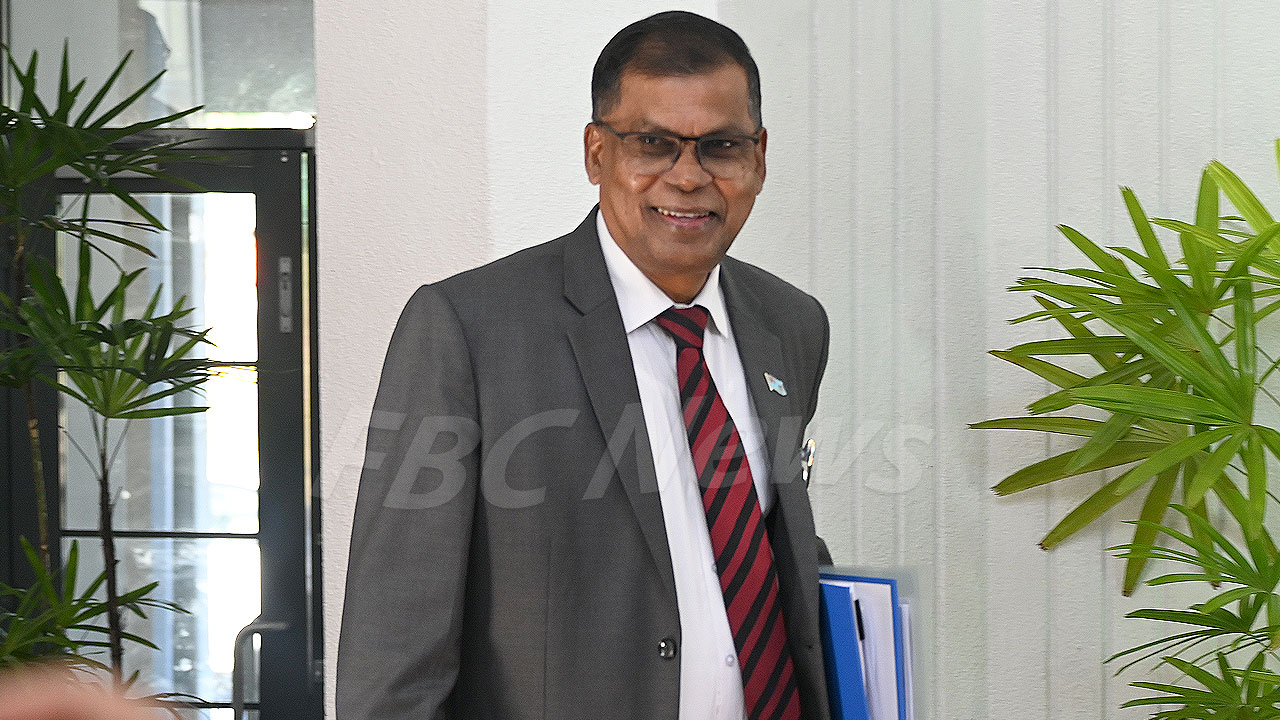
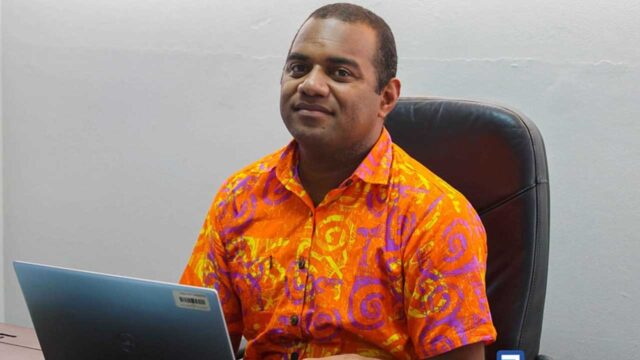
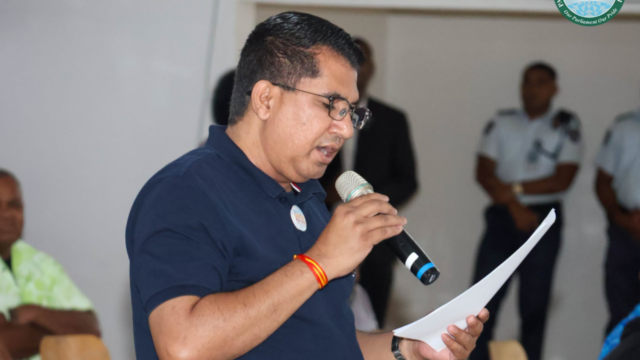
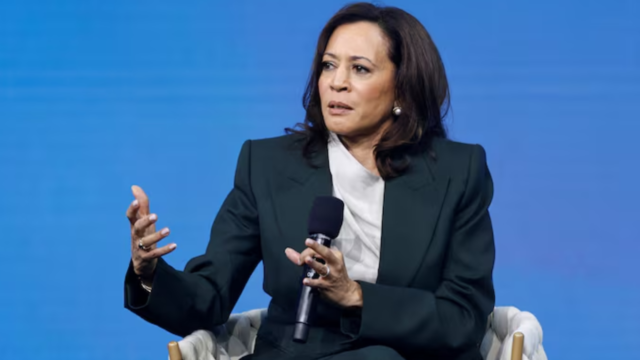
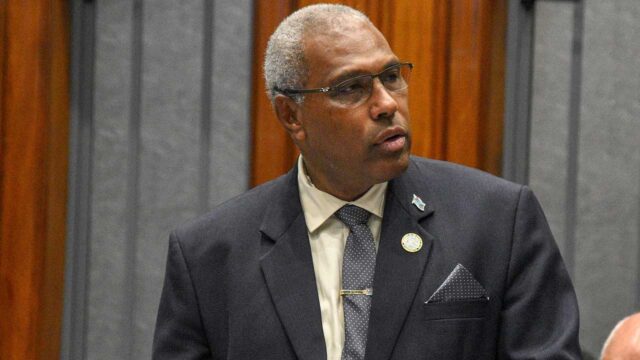
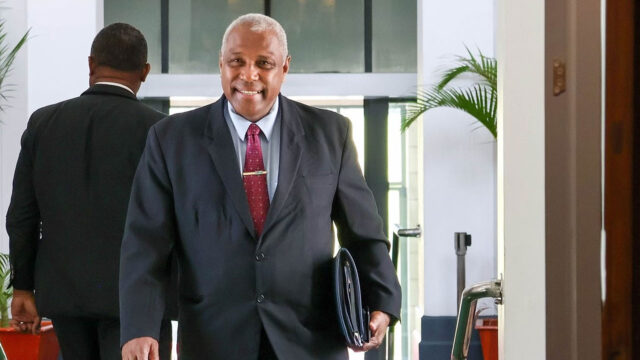
Former Deputy Prime Minister and former Finance Minister Biman Prasad. [Photo: FILE]
The push for an $8 living wage has intensified a national debate over pay, inflation, and living standards in Fiji, exposing a clear divide between the government’s gradual wage strategy and union calls for a faster, cost-of-living–driven reset.
Former Deputy Prime Minister and former Finance Minister Biman Prasad has defended the coalition government’s approach, insisting wage reform must be viewed in the wider context of economic stability, job protection, and ongoing social assistance.
He says Fiji’s wage trajectory shows steady improvement after years of stagnation, when the national minimum wage sat below $3 per hour under previous administrations before rising to $4 in 2023, then $4.50, and now $5 an hour.
Prasad says the current government has not only increased wages but also expanded direct support to households through education assistance for more than 200,000 students, welfare increases of 15 to 25 percent, civil service pay adjustments, agricultural subsidies, and targeted sugar industry support.
His position frames income policy as a combined system of wages and state support rather than a single minimum wage figure.
However, he cautioned against rapid escalation toward an $8 benchmark, warning that wage hikes must align with business capacity, employment sustainability, and broader economic conditions.
He also pointed to imported inflation and freight costs as persistent drivers of price increases, arguing that even reduced duties do not fully shield consumers.
Fiji Trades Union Congress National President Daniel Urai says workers are still struggling to cope with the rising cost of living, despite recent wage increases.
Urai says workers endured years of repression under past regimes but now have renewed space to advocate for fair pay under the coalition government.
He acknowledged the increase of the minimum wage to $5 as “a relief” for low-income earners, but says it remains far below what is needed to meet basic living costs.
The unions are now calling for an immediate rise to $6 an hour, while continuing to push for a formalised living wage framework that reflects real household expenses.