 Ritika Pratap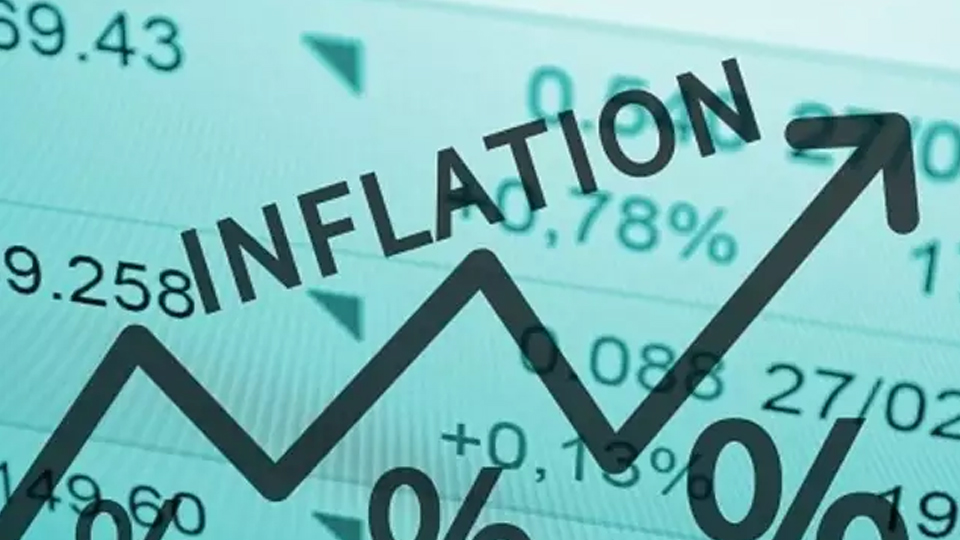
[Photo: FILE]
Fiji’s inflation rose to 6.1 percent in June, up from 3.9 percent in May and -1.2 percent in June last year.
The Reserve Bank of Fiji states in its latest economic review that this increase was largely driven by higher fuel and gas prices, alongside higher electricity costs as Energy Fiji Limited’s fuel surcharge took effect.
Governor Ariff Ali says these factors directly accounted for approximately 4.5 percentage points of the June inflation rate.
Ali states renewed conflict between the United States and Iran led to a sharp increase in global oil prices, with Brent crude rising slightly above US$100 per barrel on 23 July before easing to around US$84 per barrel by 29 July.
Nevertheless, prices remain elevated compared with end-June levels.
Ali adds that as an importer of fuel, Fiji remains vulnerable to external developments that could place upward pressure on domestic fuel prices, transportation costs, and production expenses.
He warns that if current oil prices persist, inflation is expected to remain above six percent through the end of the year.
He further states domestic activity continues to be supported by tourism.
After year-on-year declines in April and May, visitor arrivals recovered strongly in June, bringing cumulative arrivals to 460,628 for the first half of the year – 3.8 percent higher than the corresponding period in 2025.
However, Ali says other sectors indicate some moderation in growth momentum, with softer outcomes in timber, gold doré, cane production, and manufacturing.
On the demand side, consumption activity shows signs of easing despite support from higher household incomes and strong remittance inflows.
In contrast, investment activity has remained resilient, supported by higher new investment lending and increased construction imports.
However, supply-side constraints – including higher fuel and freight costs, labour shortages, and election-year uncertainty – could weigh on investment prospects going forward.
The Governor states financial conditions remain accommodative, supported by ample liquidity ($2.0 billion as of 29 July), which has kept lending rates low.
This continues to support borrowing by households and businesses and contribute to sustained growth in private sector credit.
He adds that the strength of the financial system provides an important buffer against temporary domestic and external shocks.
On the global front, the International Monetary Fund has lowered its global growth forecast for 2026 to three percent, reflecting geopolitical tensions, elevated commodity prices, and heightened uncertainty.
Slower growth among major trading partners could dampen demand for Fiji’s tourism and exports.
At the same time, the risk of El Niño-induced dry conditions could affect agricultural production, energy generation, and climate-sensitive sectors, posing additional downside risks to the economic outlook.