 Praneeta Prakash
Fiji’s economy is expected to grow more slowly this year as global uncertainties and rising oil prices weigh on outlook.
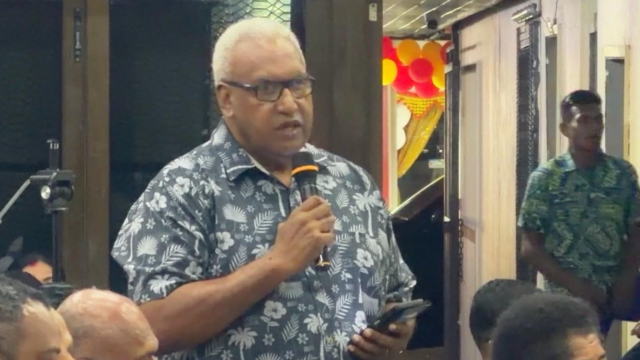
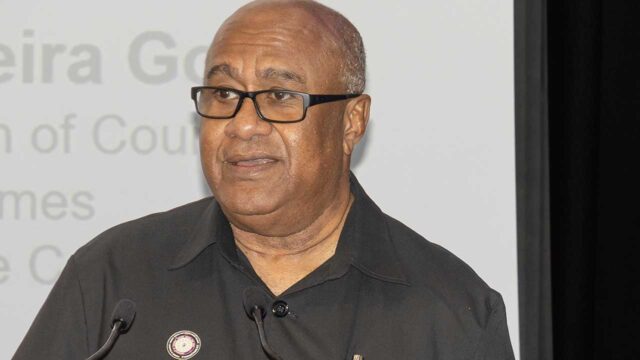
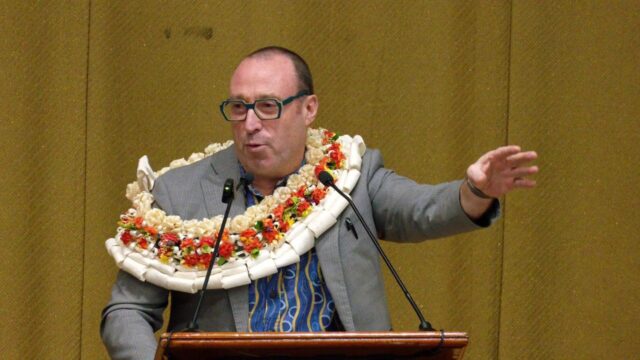
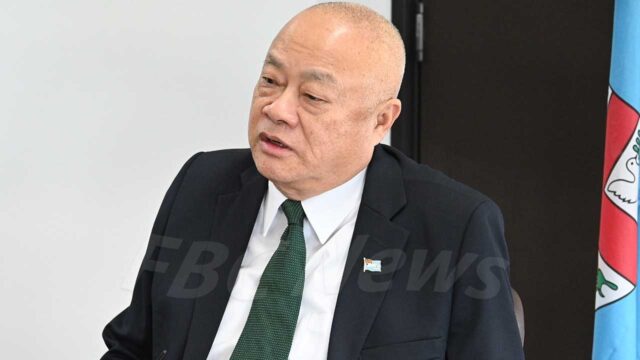
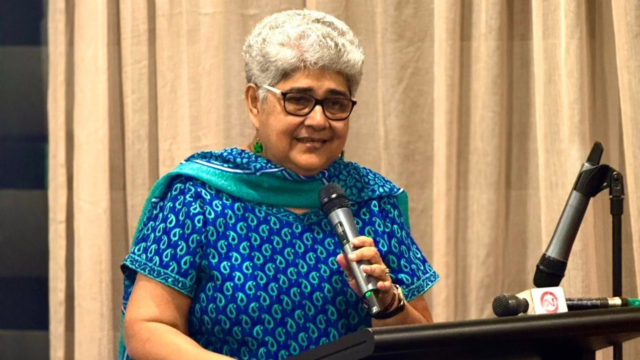
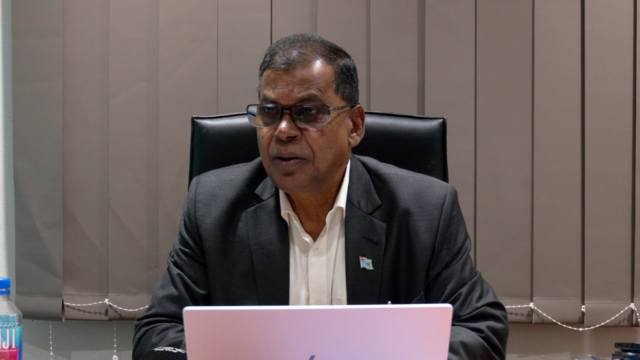
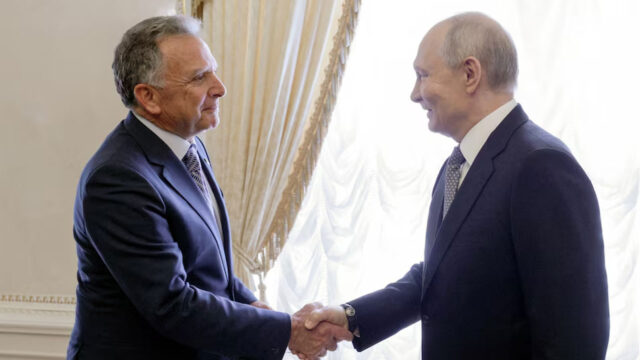
Speaking at the State of the Economy Dialogue 2026, International Monetary Fund Regional Representative for Pacific Island Countries Dr. Giovanni Ganelli says the IMF forecasts Fiji’s economy to grow by 2.4 percent in 2026, down from 3.2 percent last year.
He says Fiji remained resilient in 2025, supported by tourism, external demand and government spending.
However, Dr. Ganelli says softer tourism demand, global uncertainty and higher oil prices linked to the Middle East conflict are expected to slow growth this year.
The IMF also expects inflation to rise to 3.8 percent after remaining close to zero last year.
Dr. Ganelli warns that prolonged conflict and elevated oil prices could further slow economic growth, increase inflation and raise living costs.
“So if the global growth ends up being lower than what we assume in the reference scenario, then this will negatively affect the Pacific region and Fiji through various channels, including trade, tourism, and the cost of living. So, if this risk, the outlook, materializes, growth in Fiji could actually end up being lower than the 2.4%, which we mentioned in the report, and inflation could end up being higher than the 3.8%.”
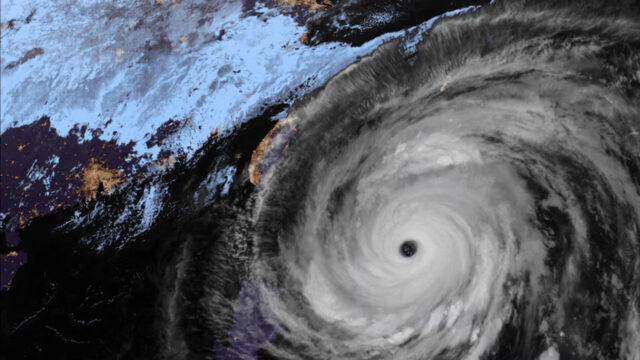
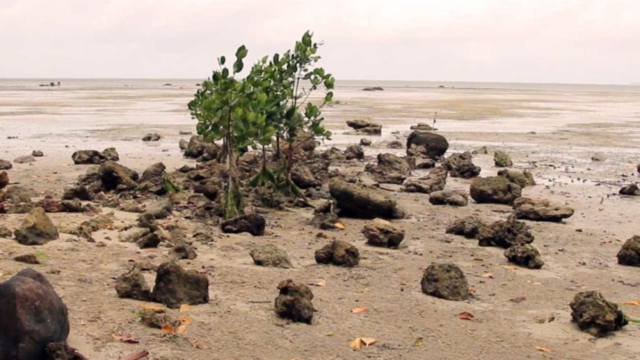
He also highlighted domestic challenges including rising public debt, labour shortages, outward migration, infrastructure gaps and vulnerability to natural disasters.
Dr. Ganelli says Fiji must balance support for households facing cost-of-living pressures with efforts to strengthen public finances against future shocks.
“The IMF view is that the fiscal response to the oil shock should be well-targeted and budget-neutral, and fiscal adjustment in the medium term should be growth-friendly, shifting spending toward public investment. Also, establishing a fully operational medium-term fiscal framework and adopting a quantitative fiscal anchor, such as a medium-term debt target, would help support the needed medium-term fiscal consolidation.”
He adds that greater investment in infrastructure, climate resilience and skills development will be critical for sustaining long-term growth.
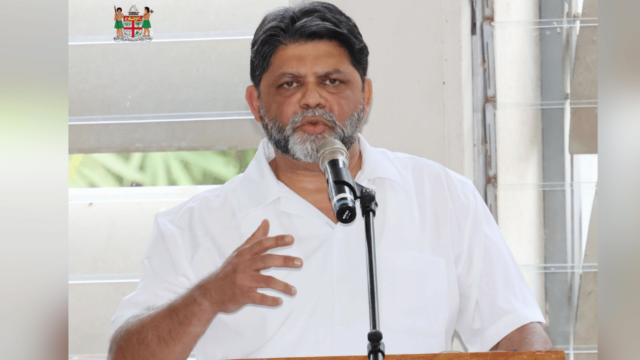
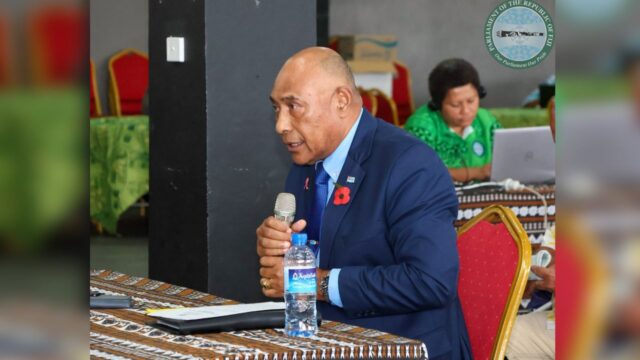
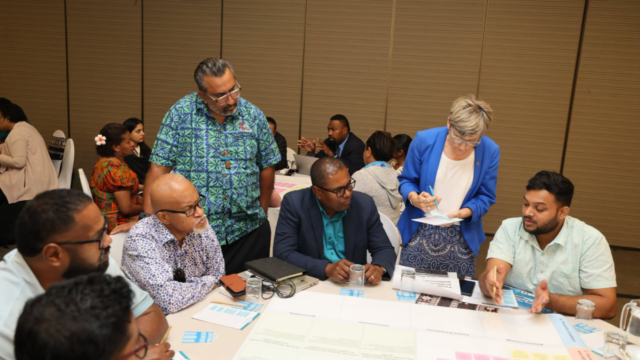
Meanwhile, Dialogue Fiji Executive Director Nilesh Lal says the IMF assessment highlights the economic challenges facing Fiji and the importance of open discussions about the country’s economic future.
Lal says the state of the economy affects every Fijian, from jobs and businesses to living costs and opportunities for young people.