 Riya Mala
The Bill also sets up a National Tourism Council, introduces national tourism standards, and creates a Tourism Fund to support infrastructure, training, and community-based tourism operators. [Photo: FILE]
Parliament today passed the Tourism Bill 2026, marking a major overhaul of the country’s tourism laws for the first time in more than 50 years.
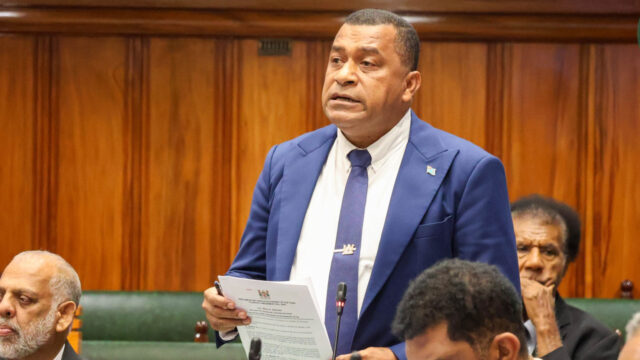
Deputy Prime Minister and Minister for Tourism Viliame Gavoka says the tourism sector has been operating under outdated laws since 1973, even though it remains the backbone of the economy.
He says the new law will modernise the industry with stronger standards, better investment, accountability, and protection of indigenous culture and traditional knowledge.
The Bill also sets up a National Tourism Council, introduces national tourism standards, and creates a Tourism Fund to support infrastructure, training, and community-based tourism operators.
“This Bill seeks to establish a comprehensive legal and institutional framework for tourism to promote practices that support sustained economic growth while protecting the environment and preserving cultural heritage. Mr Speaker, the guiding principles of the Bill are economic contribution, sustainability, inclusivity, resilience, cultural respect, partnership, and transparency and accountability. On Part 2, a good policy requires good institutions.”
Gavoka says village homestays, cultural experiences, and local tour operators are the authentic heart of Fiji’s tourism industry and should no longer be measured against systems designed for large commercial businesses.
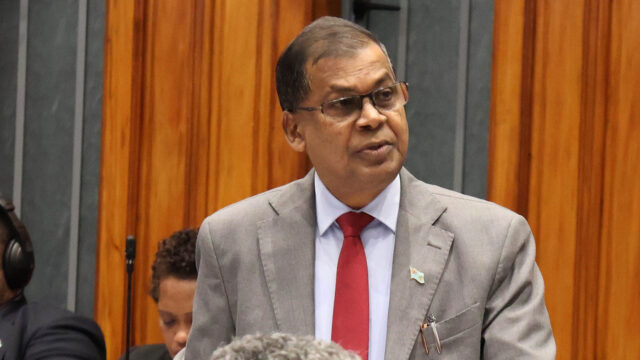
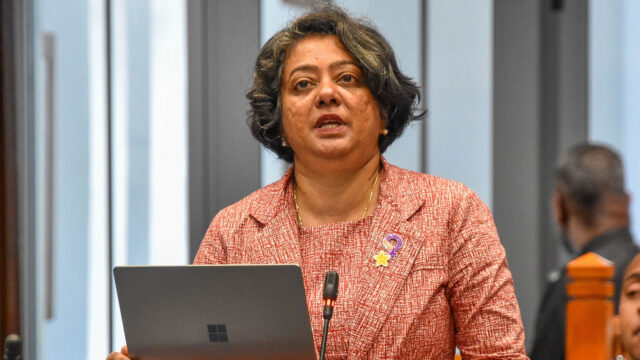
Opposition parliamentarian Premila Kumar raised strong concerns over the Bill, saying Parliament was given very little time to properly scrutinise the legislation.
She says tourism is the backbone of the economy and supports families, rural communities, and small businesses, and therefore deserves careful and detailed lawmaking.
While supporting the need to modernise the outdated Hotels and Guest Houses Act 1973, Kumar warned that the new Bill gives excessive power to the Minister, weakens accountability, and lacks clear safeguards.
“Similarly, this Bill allows the Minister to establish a framework for tourism investment in collaboration with Investment Fiji. But the Bill uses the word ‘may’ instead of ‘must’. This means there is no obligation to act and no accountability if nothing is done. Mr Speaker, sir, this Bill goes as far as to allow the Minister to add, remove, or modify tourism industry criteria affecting every tourism operator in Fiji.”
She raised concerns about discretionary powers over fees, industry classifications, penalties, and investment decisions, saying this could lead to unfair and inconsistent decision-making.
Kumar says the Bill does not provide strong protection for MSMEs and community tourism operators, and also lacks clear safeguards for culture, environment, and climate action.