 Riya Bhagwan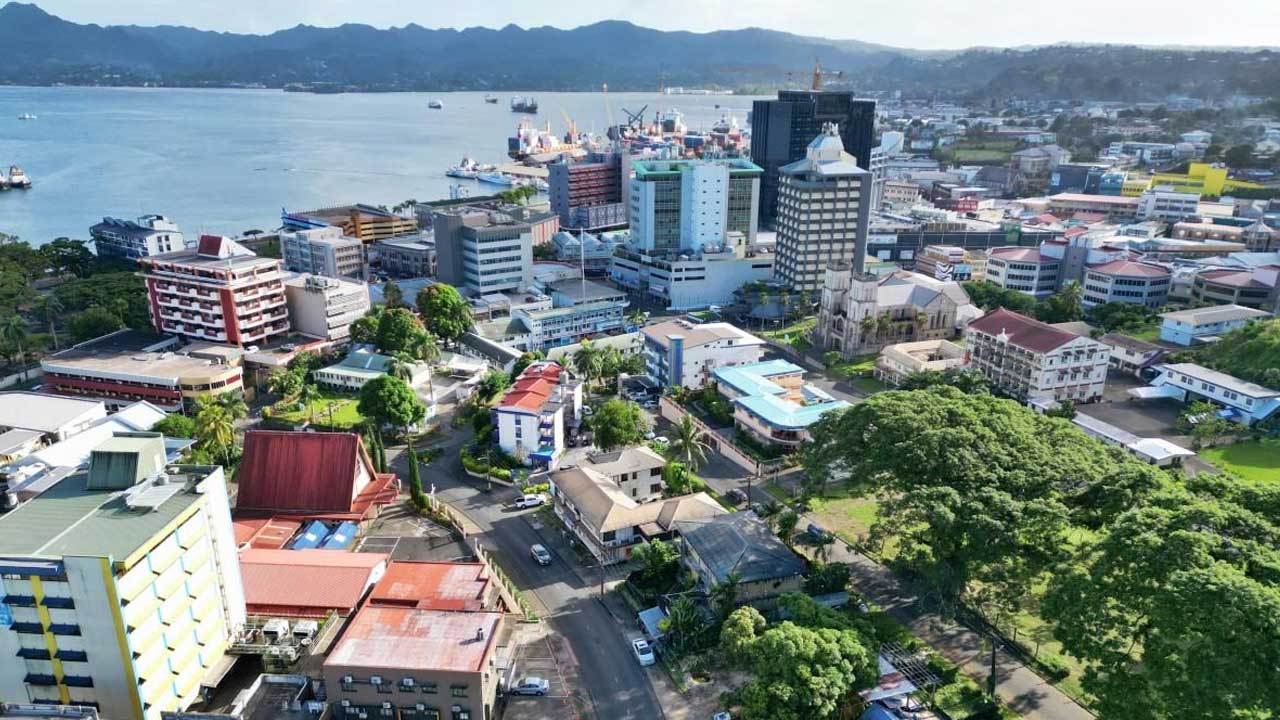
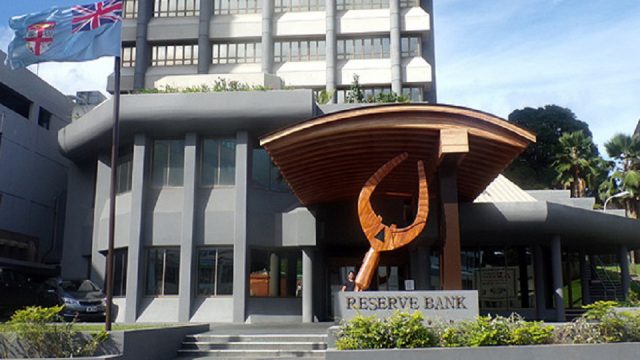
The Bank says countries that prioritise renewable energy investment are also more likely to attract additional financing support from development partners. [Photo: FILE]
Pacific nations are facing mounting pressure to protect essential public services as soaring global fuel prices continue to strain already vulnerable economies.
The Asian Development Bank warns that Pacific countries are spending more than 10 percent of their Gross Domestic Product on fuel imports, leaving governments increasingly exposed to global market shocks and geopolitical tensions.
According to the Bank, the region’s heavy dependence on imported fuel means that when international prices surge, governments are forced to divert more money toward energy costs, reducing the funds available for critical public sectors.
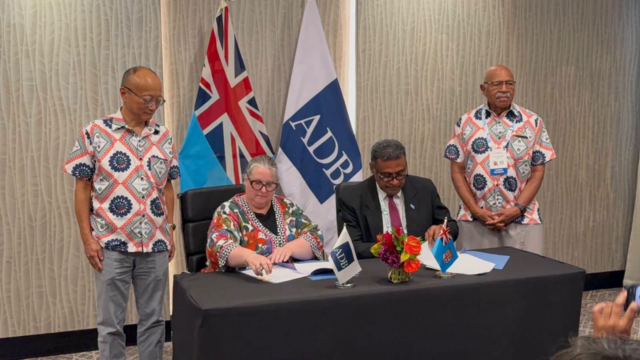
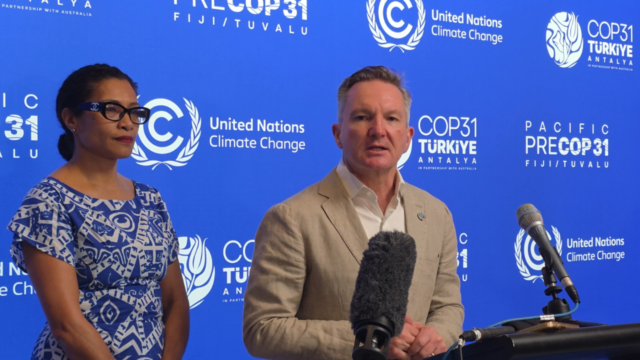
ADB Director General for the Pacific Emma Veve said that, as concerns grow over instability in the Middle East and its impact on global fuel supply chains, Pacific economies are among the hardest hit due to their reliance on imported energy.
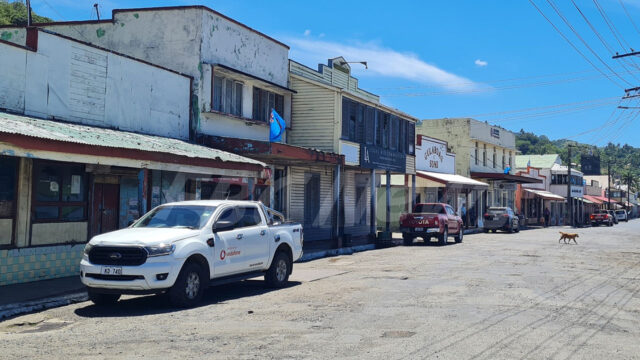
In Fiji, this pressure has already been highlighted.
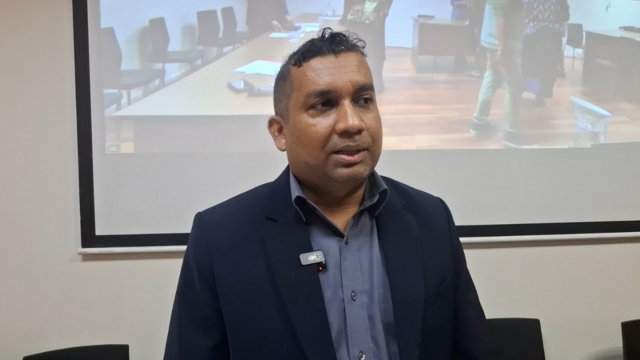
Health Minister Dr. Atonio Lalabalavu, in an earlier interview with FBC News, said the Ministry may not be able to operate at full capacity if fuel pressures continue to intensify, adding that priorities may need to shift toward only the most essential services.
“It will be difficult to operate at full capacity with the current fuel uncertainty, especially with the geopolitical issues in the Middle East. So, for us, we will have to reprioritise what is essential and what can be done later.”
The Asian Development Bank is now urging Pacific governments to accelerate investment in renewable energy projects to reduce long-term exposure to global fuel price volatility.
Director General Veve says the Bank is prepared to scale up support for renewable energy initiatives if governments make the transition a national priority.
The Bank says countries that prioritise renewable energy investment are also more likely to attract additional financing support from development partners, helping strengthen long-term economic resilience across the Pacific.