 Mollyn Nakabea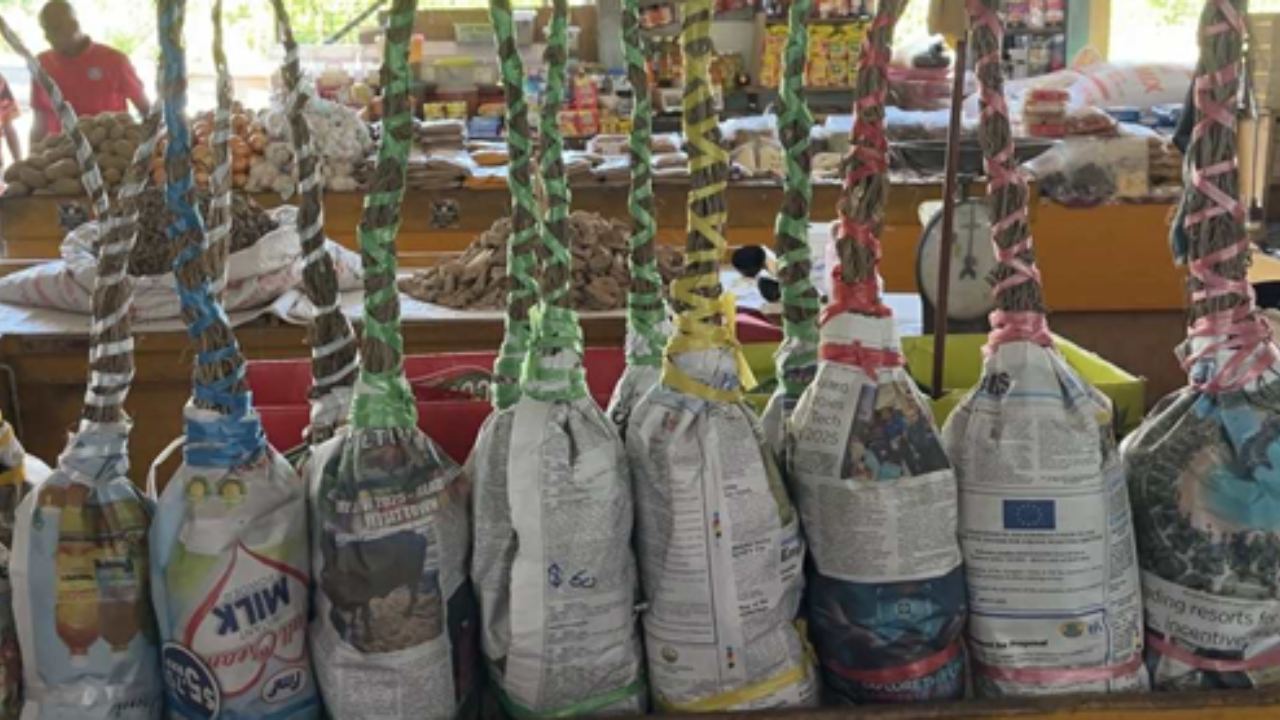
[Photo: FILE]
For many kava vendors, what was once a reliable source of income has become a daily struggle for survival.
Rising yaqona prices, higher fuel costs and the increasing cost of living are squeezing profits, while fewer customers are able to afford their usual purchases.
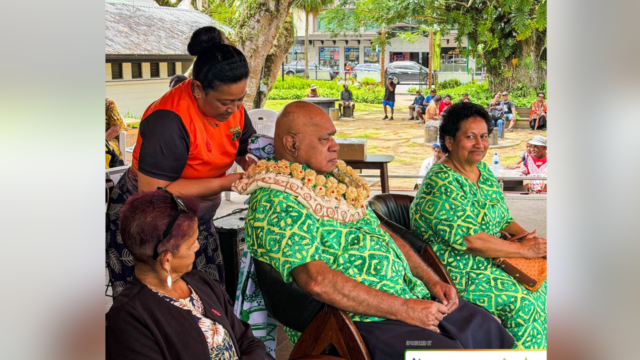
Vendors at the Suva Market say sales have slowed significantly, leaving many worried about how they will support their families and keep their businesses running.
Kava businessman Ritesh Kumar says the industry is facing some of its toughest conditions in years, with profits shrinking to the bare minimum.
“Going 10 years back, it was a bit more. Like we used to get 30% profit. But at the moment, we’re just at the survival stage.”
Ritesh says rising farm-gate prices are also putting pressure on vendors and consumers alike.
“The farmers themselves are paying more now. They are demanding a higher price for the Kava. They should be reasonable. Otherwise, we have to import a lot of Kava. Because if they don’t sell it at a reasonable price, we have to import a lot.”
Kava Salesman Sanjeev Kumar shared that some days, customers buy only small amounts, making it difficult to generate enough income.
“Most of the time we are not selling that big amount, 1 kg each, we sell around $20, $30 worth of Kava in a day time. So the sale is going down, right down, and prices of Kava have risen and running short of Kava too. Local Kava produces very little at the moment, and the supply chain is sometimes good, sometimes it’s not good.”
He hopes the government provides targeted relief to farmers.
“If the government is giving something to the farmers to get the price to a standard price or something, we don’t know about that. But we are hoping that if the government is willing to set up something for the Kava farmers, then the price can go down”
As the government prepares the 2026-2027 National Budget, vendors are hoping for greater support for farmers and measures that could help bring yaqona prices down and ease pressure on the industry.