 Litia Cava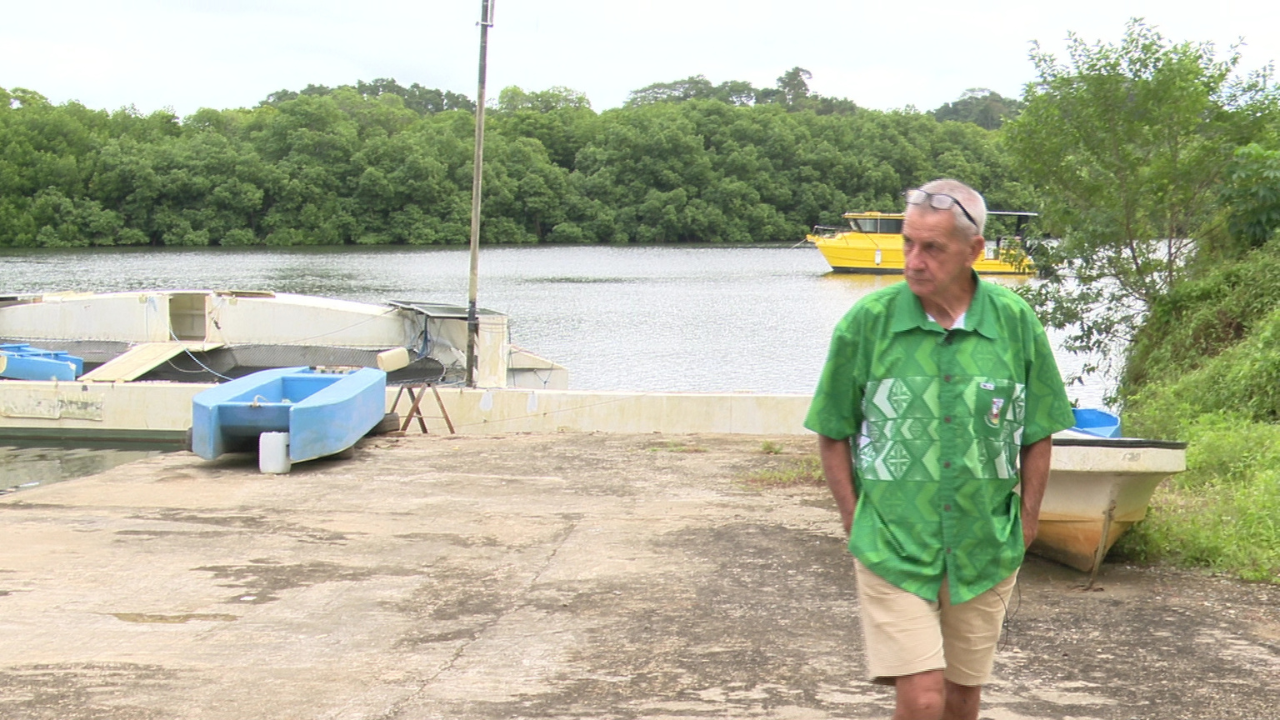
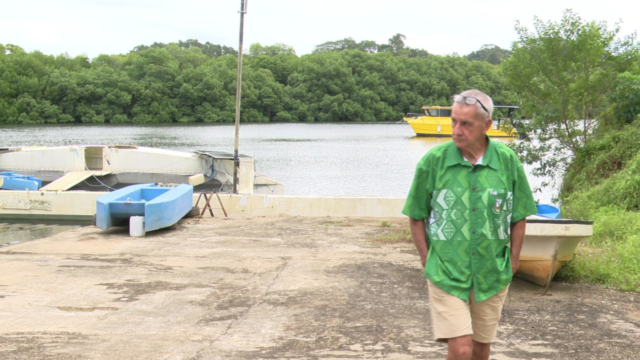
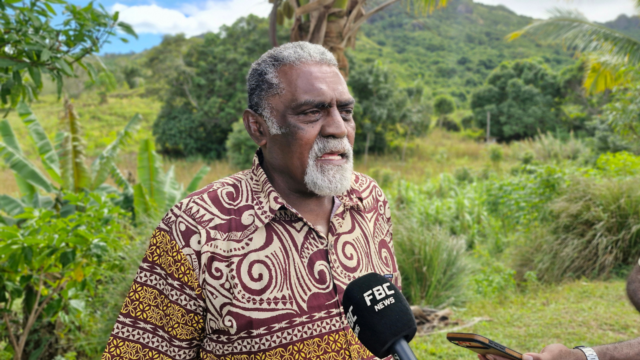
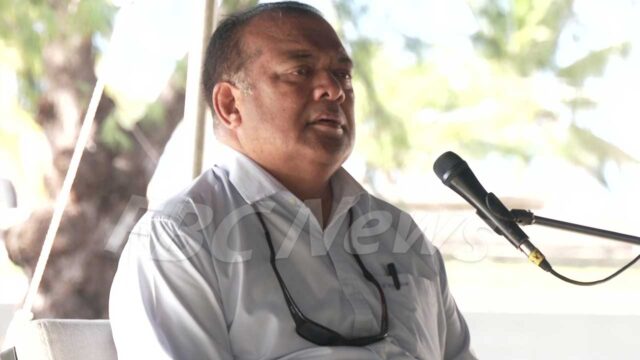
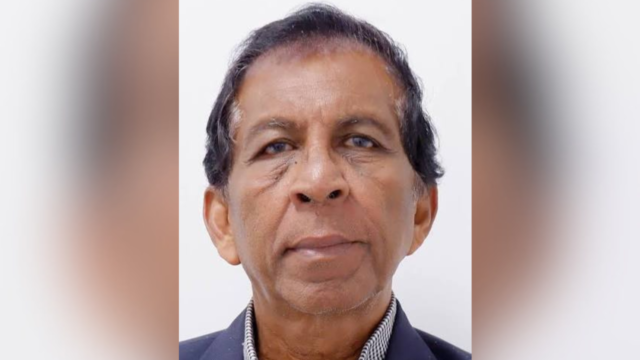
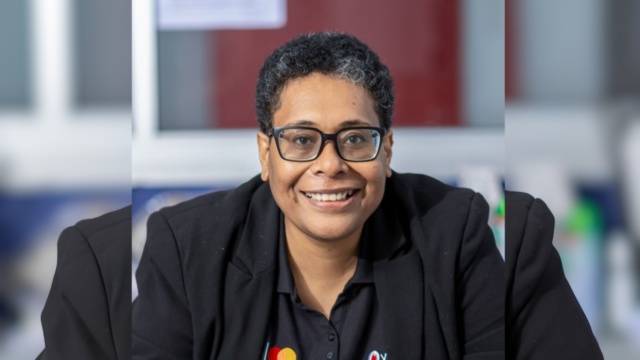
Australian boat builder Rob Denney. [Photo: SUPPLIED]
A boat-building program aimed at providing affordable vessels for rural communities has been on hold for more than two years as certification issues remain unresolved.
Australian boat builder Rob Denney says the delay has prevented villagers from accessing low-cost boats designed for fishing and transport, while also stopping a training program that taught students how to build them.
Denney, who leads the Zero Emissions Shipping Project at the Centre for Appropriate Technology and Development (CATD), says he wants to work with the Maritime Safety Authority of Fiji (MSAF) and the Higher Education Commission of Fiji (HECF) to have both the boats and the Sustainable Boat Building course certified.
He states that certification is the only barrier preventing the project from moving forward.
“I tried to get these boats certified in Australia because then you can get around the authorities here, and the Australian rules, you don’t have to certify them, you can build yourself a boat like this and it’s not as if you’re not using it commercially, you can build it and use it but here, I mean you know certifying a canoe is ridiculous in a country that’s got bilibili’s, canoes and wooden boats that are all rotting and a real shortage and a real need for decent boats.”
The program was developed to address what Denney describes as a growing transport challenge in maritime and rural communities, where the cost of boats and unreliable shipping services continue to limit economic opportunities.
He says many villagers struggle to transport produce, access markets and reach fishing grounds because suitable vessels are either unavailable or too expensive.
As part of the project, CATD students built a series of small fibreglass boats designed for village use. The boats were constructed using recycled PET foam, fibreglass and epoxy resin and were intended to be affordable, durable and simple to maintain.
Denney says the boats were specifically designed to be built in villages using basic tools and local labour.
He claims the vessels addressed concerns previously raised about some rural water transport services, including safety, cost and maintenance.
According to Denney, students built the boats as part of the Sustainable Boat Building course, which ran for three semesters before accreditation issues emerged.
He says an industry committee initially reviewed the program and supported the concept, describing it as suitable for Fiji’s needs.
However, Denney says concerns were later raised during the certification process, particularly regarding the design of the boats.
He claims one of the main objections centred on the flat-bottom hull design used on the vessels.
Denney disputes those concerns, arguing that flat-bottom construction was a deliberate design feature and that a similar design currently being developed at CATD is expected to meet certification requirements.
He also rejects suggestions that traditional wooden boat construction requirements should apply to the student-built vessels.
According to Denney,the boats use modern materials and construction methods that differ significantly from conventional wooden boats.
He says the student-built vessels have hull thicknesses ranging from 12 to 20 millimetres, which he claims exceed minimum requirements referenced during the assessment process.
Denney also questioned recommendations relating to storage compartments for emergency equipment on smaller canoes, arguing that such requirements are uncommon on many vessels currently operating in villages.
Despite his concerns, Denney said he was not seeking conflict with regulators.
He says his objective is to work alongside MSAF and HECF to achieve certification so the program can resume.
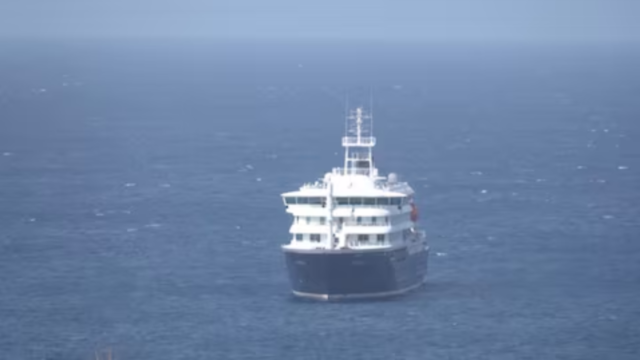
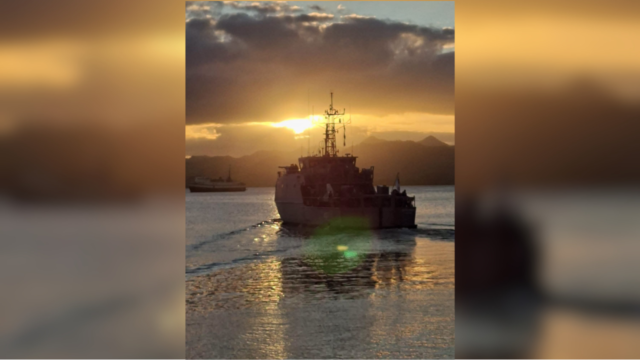
The project also includes a 24-metre zero-emissions prototype vessel currently undergoing testing and modifications at CATD in Nadave.
Built in Australia during the COVID-19 pandemic and later shipped to Fiji, the vessel is powered by solar energy and designed to service remote communities.
Denney said the larger vessel forms part of a wider effort to reduce dependence on fossil fuels while improving transport links for maritime communities.
He maintains there is strong demand for both the training program and the village boats.
Denney also shared that communities continue to express interest in the vessels, but until certification issues are resolved, production and training remain on hold.
He says the goal remains unchanged, and that is providing villagers with safe, affordable boats while creating practical skills and employment opportunities through local boat-building training.
Meanwhile, FBC News has forwarded queries to MSAF and HECF, and we are yet to receive a response.