 Litia Cava
Fiji’s economic vulnerability, driven by heavy reliance on tourism and weak diversification, remains the country’s most pressing structural challenge.
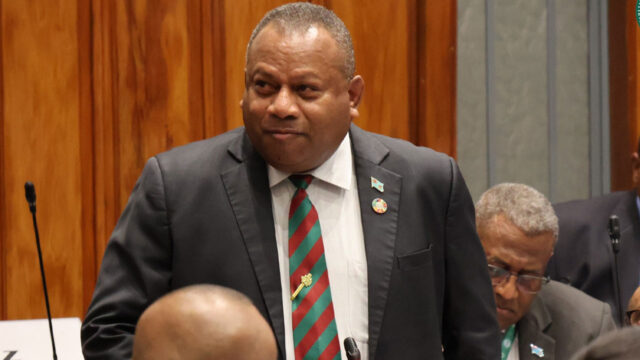
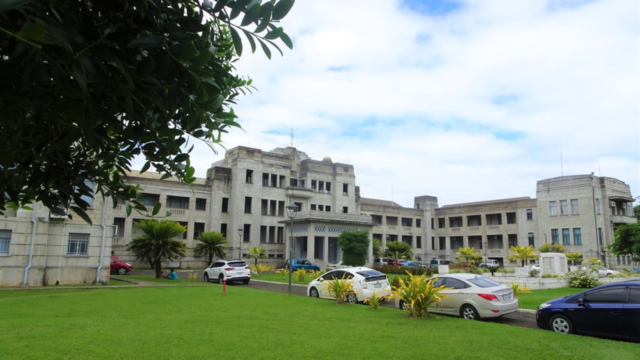
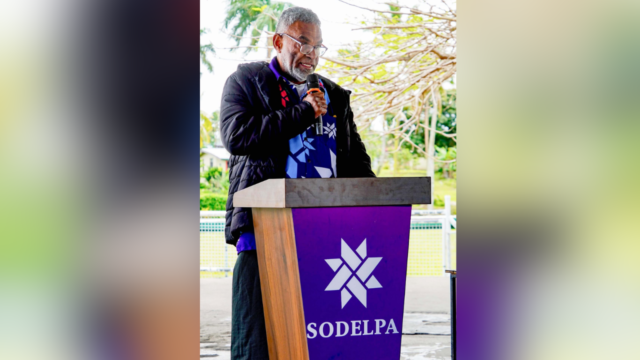
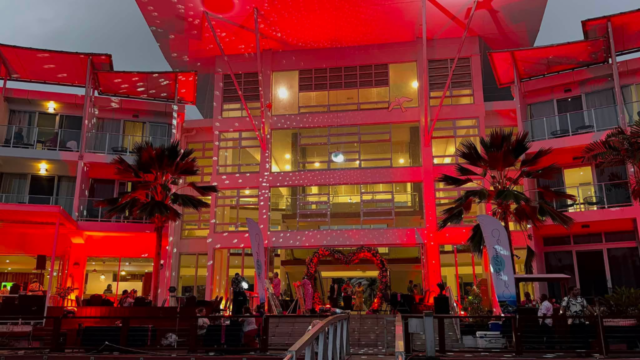
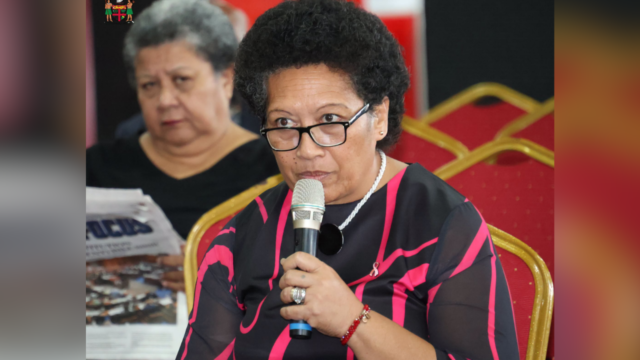
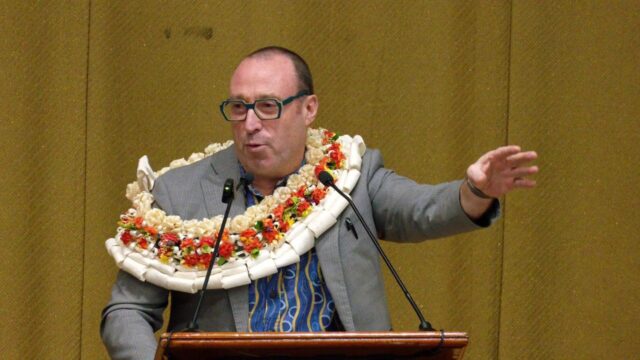
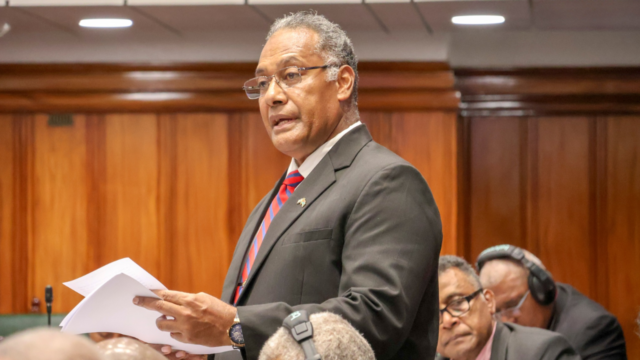
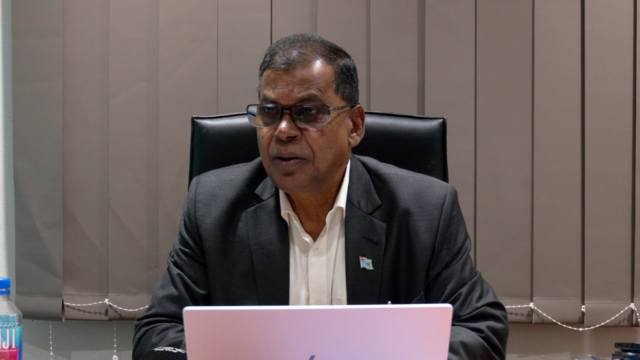
Government MP and former Trade Minister Manoa Kamikamica made the comments today while addressing attendees at the Grand Pacific Hotel during the State of the Economy Dialogue 2026.
Kamikamica said the existing growth model has left the economy exposed to external shocks and limited productivity outside urban and consumption-driven sectors.
He said this imbalance has constrained long-term resilience and widened development gaps and that government was now attempting a broad restructuring of the economy, with emphasis on diversification and regulatory reform.
He described past reliance on tourism as a structural weakness that has shaped employment patterns and contributed to rural-urban migration.
Kamikamica said new growth was being targeted in ICT, business process outsourcing, commercial agriculture, aquaculture and manufacturing. He said these sectors are intended to expand the productive base of the economy beyond services and consumption.
He said the ICT sector was already showing measurable gains, with investment in a data operations centre and rapid expansion in the BPO industry. He said the sector now supports about 8,000 jobs and generates more than 300 million in foreign exchange earnings.
He said commercial agriculture is being repositioned through private sector-led investment rather than fragmented small-scale initiatives. He cited ongoing projects involving international firms exploring large-scale citrus and export crop production aimed at linking investors with rural communities.
On fiscal management, Kamikamica said previous spending practices have created pressure on public finances and reduced fiscal space. He said tighter controls are now required to manage debt levels, improve revenue performance and correct inefficiencies in government expenditure.
He said reforms to improve governance and investor confidence are also underway, including the removal of the MIRA framework, which he said has strengthened transparency and business engagement.
He highlighted the Mahogany Act as a significant step toward unlocking value in the forestry sector, while noting that reforms in the sugar industry are being reviewed as farmers increasingly shift toward diversification.
Kamikamica said Fiji must also prepare for future economic shocks by strengthening financial buffers. He reiterated support for a sovereign wealth fund, arguing it would provide stability during downturns and improve long-term fiscal resilience.
He said the iTaukei economy remains an underutilised area of growth, pointing to international models as evidence of its potential scale if properly developed.
The Government MP said the reform agenda was aimed at correcting structural weaknesses in the economy and building long-term resilience, even as implementation continues gradually.