 Litia Cava
[Photo: FILE]
Former civil servant Eliki Dakuitoga is calling for legal safeguards to ensure Fiji’s next general election is held within the existing lawful timeframe.
He warns that the proposed 2026 Constitution must clearly define parliamentary terms, electoral rules and the election timetable to avoid uncertainty over the next poll.
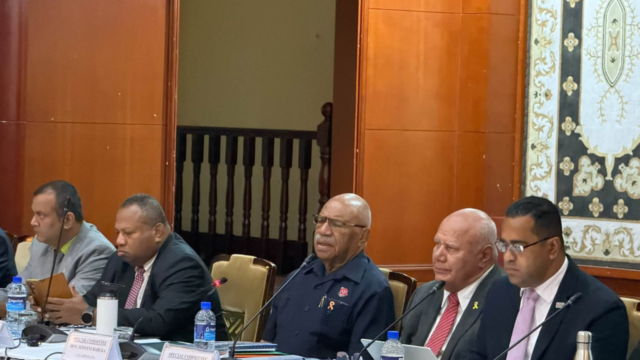
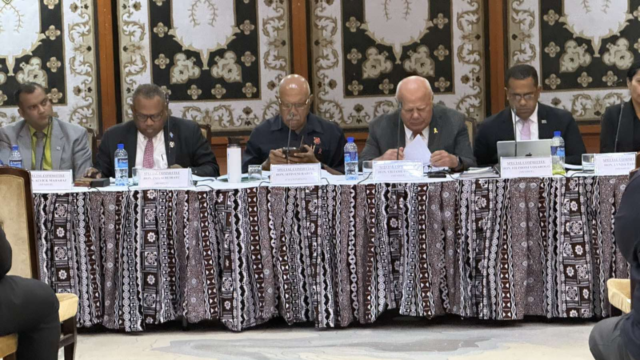
In his submission to the Constitution Review Special Committee in Nausori, Dakuitoga outlined concerns about the proposed early commencement of the new Constitution and its
potential implications for the approaching election.
He has made five key recommendations, including protecting the existing election deadline in law, clarifying which electoral rules will apply, safeguarding election processes
already underway and preventing emergency provisions from being misused to delay polling.
Dakuitoga is also calling for the publication of the election timetable, identification of the authorities responsible for key decisions and explanations for accepting or
rejecting his recommendations.
He questioned how proposed Section 219, which deals with the first Parliament under the new Constitution, would affect the current parliamentary term.
Dakuitoga wants the committee to identify the current Parliament’s original first meeting date and its expiry date. He also asked whether any provision would allow an expired or dissolved Parliament to be restored for ordinary lawmaking without a general election.
He also raised concerns about proposed Section 211, which provides for the Constitution to commence earlier than the date otherwise specified.
Dakuitoga says the committee must explain how an earlier commencement would operate alongside the stated commencement date and whether it could affect the next general election.
He is seeking clarification on whether the existing electoral system or the proposed system would apply to the next election, particularly if the new Constitution takes effect after the election writ is issued but before polling.
Dakuitoga also wants clear provisions to protect nominations and other electoral steps already completed if the Constitution changes during an election process.
He raised the issue of emergency powers, saying the public needs to know who can authorise an election delay, what evidence would be required and how genuine emergencies would be distinguished from attempts to postpone polling.
On the election deadline, Dakuitoga asked the government to commit to holding the election in 2026 or January 2027.
If that commitment is not made, he wants confirmation that the election will take place no later than February 6, 2027, which he identified as the last possible date published by election authorities.
Dakuitoga stressed that continuity of government under the proposed transitional provisions must not be treated as a substitute for holding a general election.
He is also calling on the legal drafters to publish the settled wording of the relevant provisions and explain how they would operate under both possible referendum outcomes.
Dakuitoga said his submission was intended to represent the concerns of ordinary Fijians and sought clear, legally enforceable answers on when the next election would be held and which rules would govern it.