 Reuters
Source: Reuters
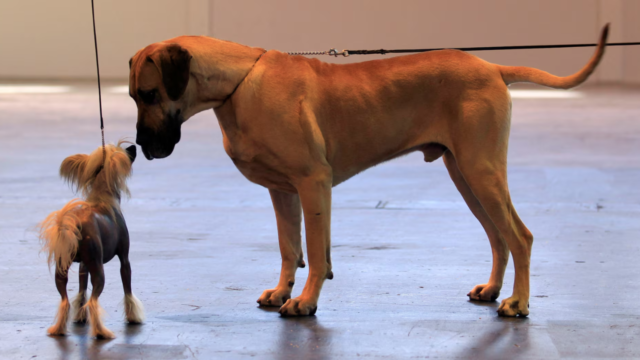
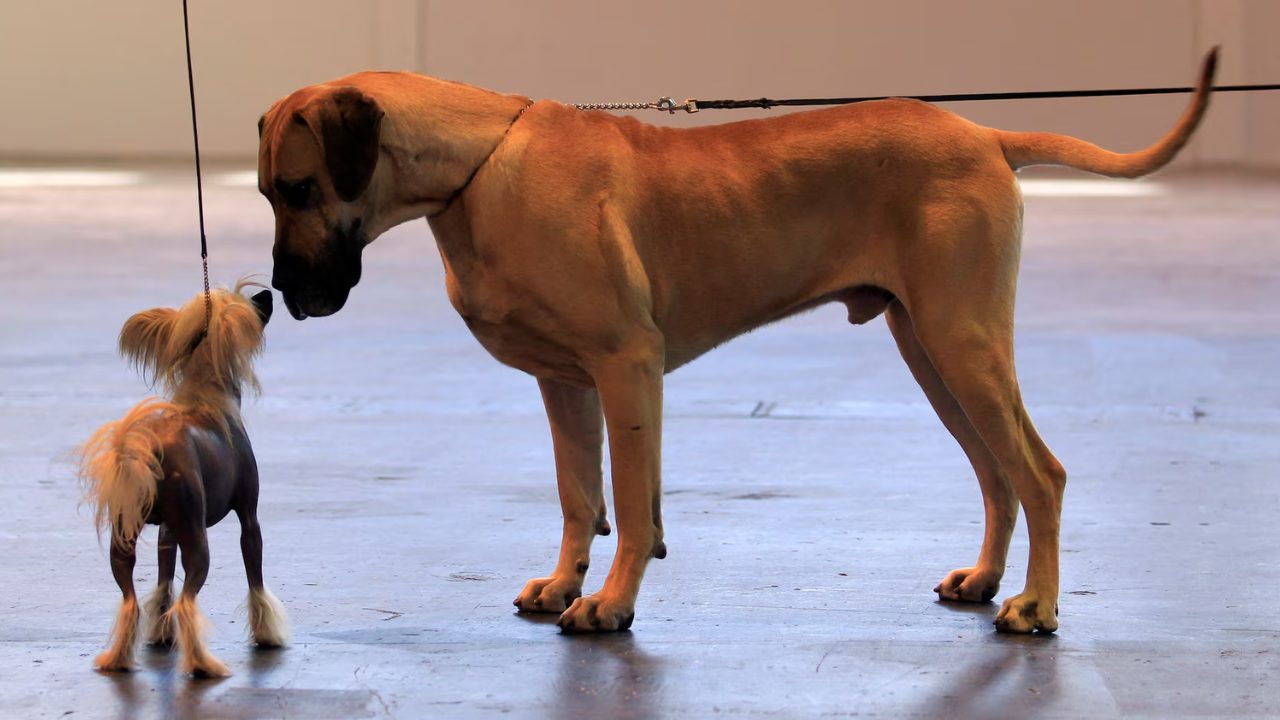
Few animals show the link between size and lifespan as clearly as dogs. Within this one species, large breeds such as Great Danes typically die younger than small ones such as Chihuahuas.
A new study indicates the reason may lie in how DNA changes with age in dogs.
Across mammals, bigger species like elephants usually live longer lives than smaller ones like mice, but within a species that pattern can reverse. Earlier comparisons across species linked certain biological mechanisms to exceptional longevity, but those are less suited to explaining differences among individuals within a species.
“We all know that big dogs usually don’t live as long as small dogs, but we have not known whether their cells actually age faster, or whether they simply hit certain diseases earlier,” said Noah Snyder-Mackler, a professor at Arizona State University’s School of Life Sciences and Center for Evolution and Medicine and one of the authors of the study published in the journal Science.
To find out, the researchers measured DNA methylation, chemical tags that help control which genes are switched on and off. Using age-related patterns in these tags, they built an epigenetic clock that estimated a dog’s age with a median error of less than one year.