 Reuters
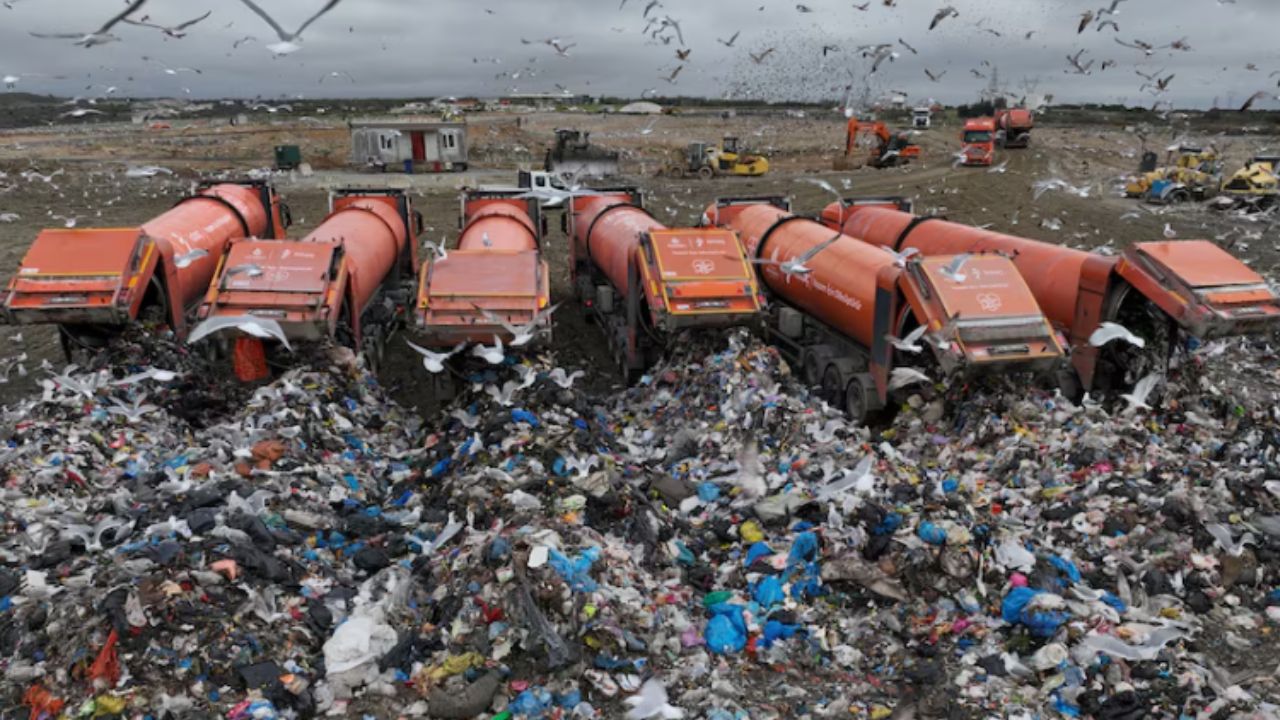
[Photo Credit: Reuters]
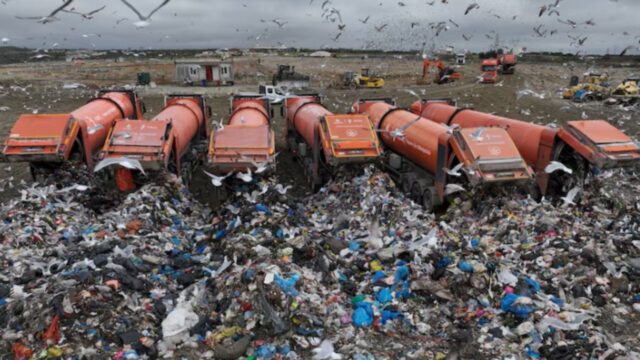
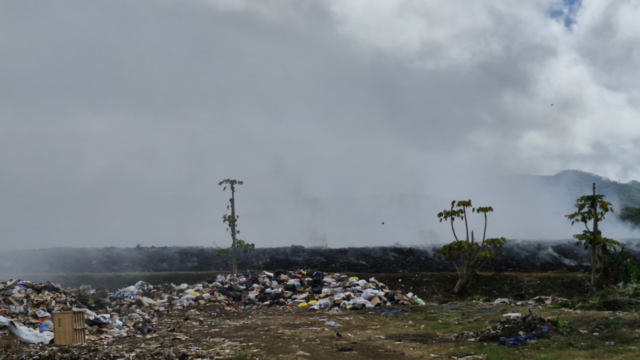
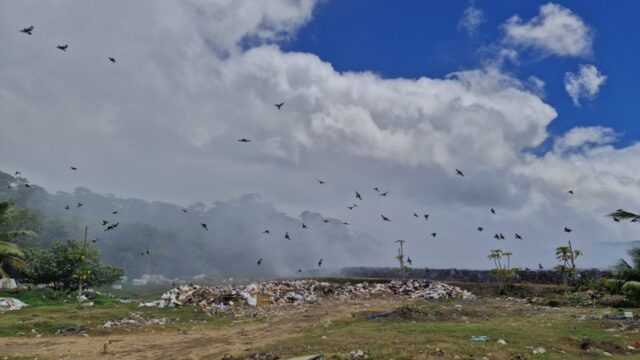
In the countryside west of Istanbul, trucks line up to empty mixed household waste from the city of 16 million people onto a vast landscape of decomposing rubbish, where landfill gas is captured to generate electricity at a nearby plant.
But far above the seagulls circling the waste, satellites detect what the plant has failed to capture: methane escaping at a rate that ranks it among the world’s largest recorded landfill emitters.
Turkey hosts COP31 in Antalya from November 9 to 20 and has made methane reduction a priority for the climate summit.
Methane is the biggest cause of climate change after carbon dioxide (CO2) and is over 80 times more potent than CO2 in its first 20 years in the air. Sharp cuts could therefore slow warming relatively quickly.
Turkey’s waste sector illustrates both the potential and the difficulty of achieving rapid cuts.
The country is the world’s fifth-biggest emitter of methane from solid waste behind China, the United States, Russia and Brazil, according to data from non-profit emissions tracker Climate TRACE.
Satellite observations analysed by researchers at the University of California, Los Angeles (UCLA) identified 70 plumes from Turkey’s 10 highest-emitting waste sites, where average detected rates ranged from 841 kg to 7.4 metric tons an hour. Three were around Istanbul, while others were near Ankara, Izmir and Antalya, where COP31 is being held.
Gas capture is widespread at Turkey’s larger municipal landfills, indicating that collection systems alone do not prevent large releases.
Tia Scarpelli, waste sector lead for emissions-monitoring non-profit Carbon Mapper, said cutting landfill methane requires diverting organic material before it reaches dumps, while improving rates of capture.
Because Turkey’s largest detected emissions were concentrated at a few sites, addressing those landfills could deliver disproportionate gains, Scarpelli said.