 Litia Cava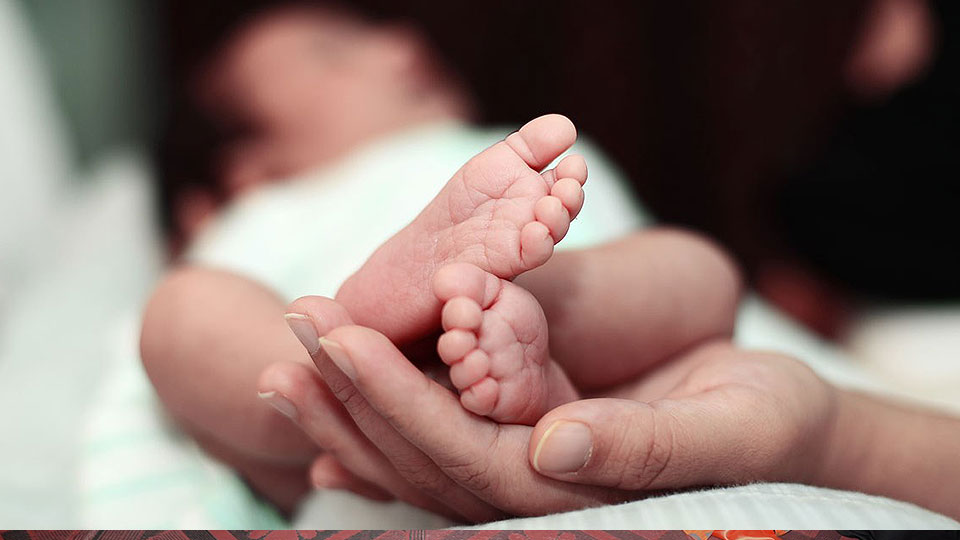
Teenage births in Fiji remain relatively low but they continue to contribute a measurable share of total births.
This, according to the Fiji National Vital Statistics Report 2020–2022 released by the Fiji Bureau of Statistics.
Women aged 15–19 accounted for 6.7 per cent of births in 2020, 6.5 per cent in 2021 and 6.9 per cent in 2022. That is about six to seven births in every 100 each year.
In practical terms, teenage fertility stood at 38.1 births per 1,000 girls in 2020. It dropped to 31.5 in 2021, then rose slightly to 32.2 in 2022. The trend shows some fluctuation but no sustained increase.
Most births are concentrated in women in their twenties.
Women aged 20–24 contributed about 27.7 per cent to 28.5 per cent of all births across the three years. That is roughly 3 in every 10 births. Their fertility rate stayed high, above 140 births per 1,000 women.
The highest share came from women aged 25–29. They made up 29.6 per cent to 30.8 per cent of all births. That is also about 3 in every 10 births. This group recorded the highest fertility levels, peaking at 188.6 births per 1,000 women in 2020 before falling to 151.2 in 2022.
Together, women aged 20–34 accounted for more than 70 per cent of all births. This shows that most childbearing happens in early adulthood.
After age 30, fertility declines steadily. Women aged 35–39 contributed about 11% of births. Women aged 40–44 remained below three per cent.
Births beyond age 45 were extremely rare, at less than 1 in every 500 births.
Overall fertility is also declining. The total fertility rate fell from 3.1 children per woman in 2020 to 2.7 in 2021, and stayed at 2.7 in 2022.
This indicates fewer children per woman even though the age pattern of childbearing remains stable.