 Litia Cava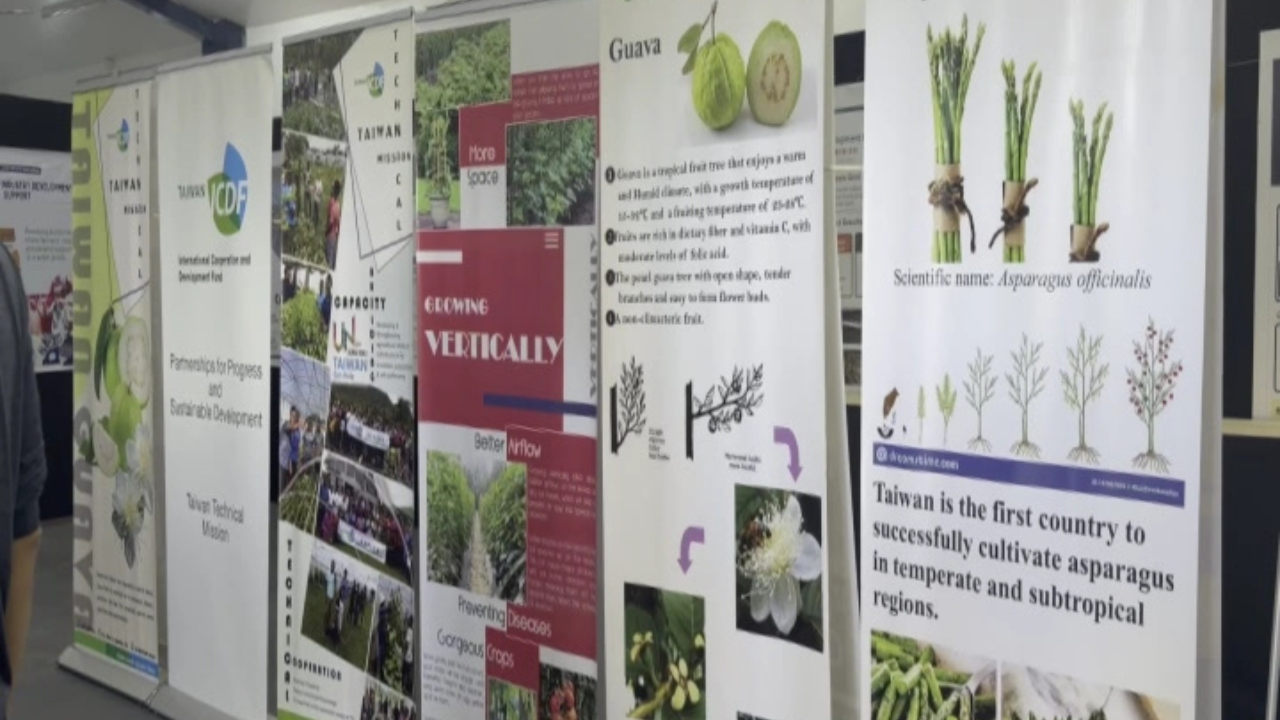
[Photo: SUPPLIED]
Fiji’s heavy reliance on imported food is exposing gaps in local production.
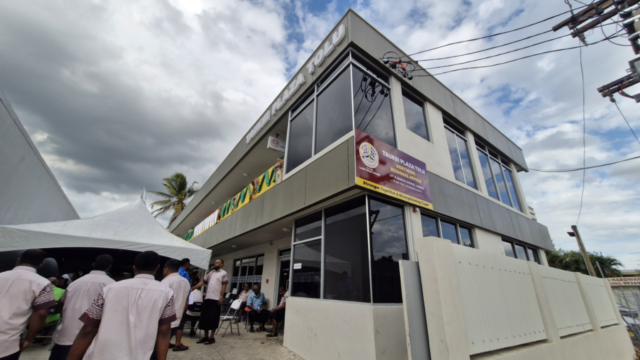
Taiwan Technical Mission officials say the country must strengthen commercial farming to reduce imports and grow the agriculture sector.
Technical Mission Director Shi-Chian Shiau points out that Fiji has the land, market and tourism demand to produce more locally, but farmers need better technology, skills and access to markets.
Agriculture, he reiterated, must move beyond small-scale farming and become a profitable business that can supply hotels, resorts and local consumers.
“Fiji has the resources to grow its agriculture sector, but the challenge is turning farming into a reliable industry.”
Shiau states one major challenge is encouraging more young people to return to farming.
However, he says technology can change that by helping farmers improve production, quality and income.
Shiau says Fiji also needs to address inconsistent supply and product standards.
He singled out that some local produce does not meet the quality requirements of the tourism industry, while seasonal farming affects year-round supply.
Technology such as irrigation, controlled lighting and improved farming practices, he adds, can help farmers produce more consistently and access higher-value markets.
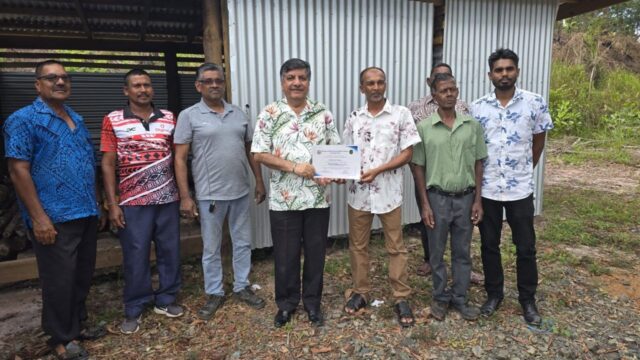
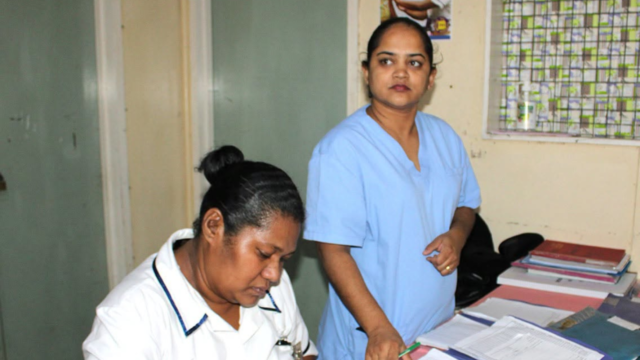
The Taiwan Technical Mission has supported Fiji’s agriculture sector since 1978, with programs covering agriculture, aquaculture and public health.
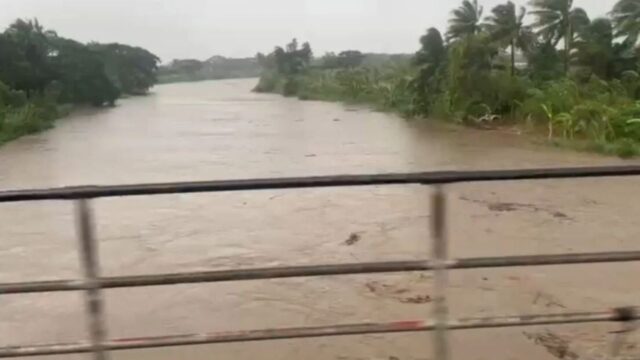
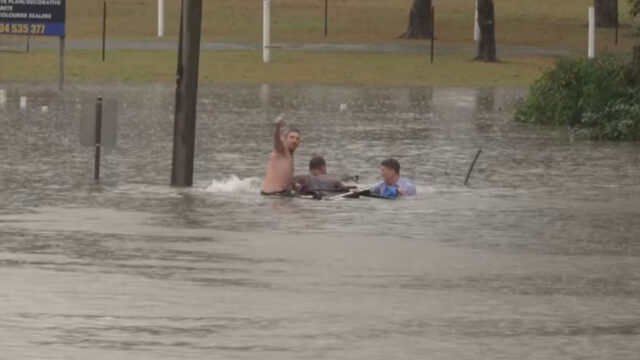
Its current focus includes climate-resilient vegetables as farmers face increasing impacts from flooding and extreme weather.
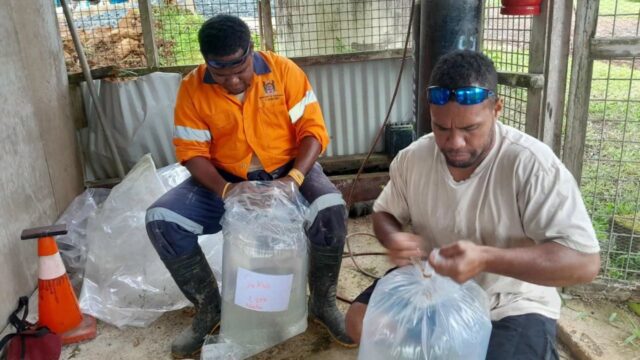
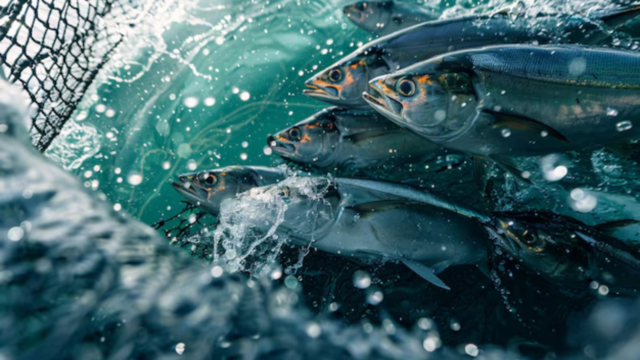
The mission is also developing Fiji’s aquaculture sector, particularly white shrimp farming.
Taiwan Technical Mission Director of Division Jason Chih-Sheng Huang said the goal was to move aquaculture from small community projects into a commercial industry.
He highlighted that the mission is helping coastal communities improve production, build ponds and connect with markets.
Huang adds that smart farming technology is also being introduced to help farmers make better decisions through improved soil management, composting and irrigation.