 Ritika Pratap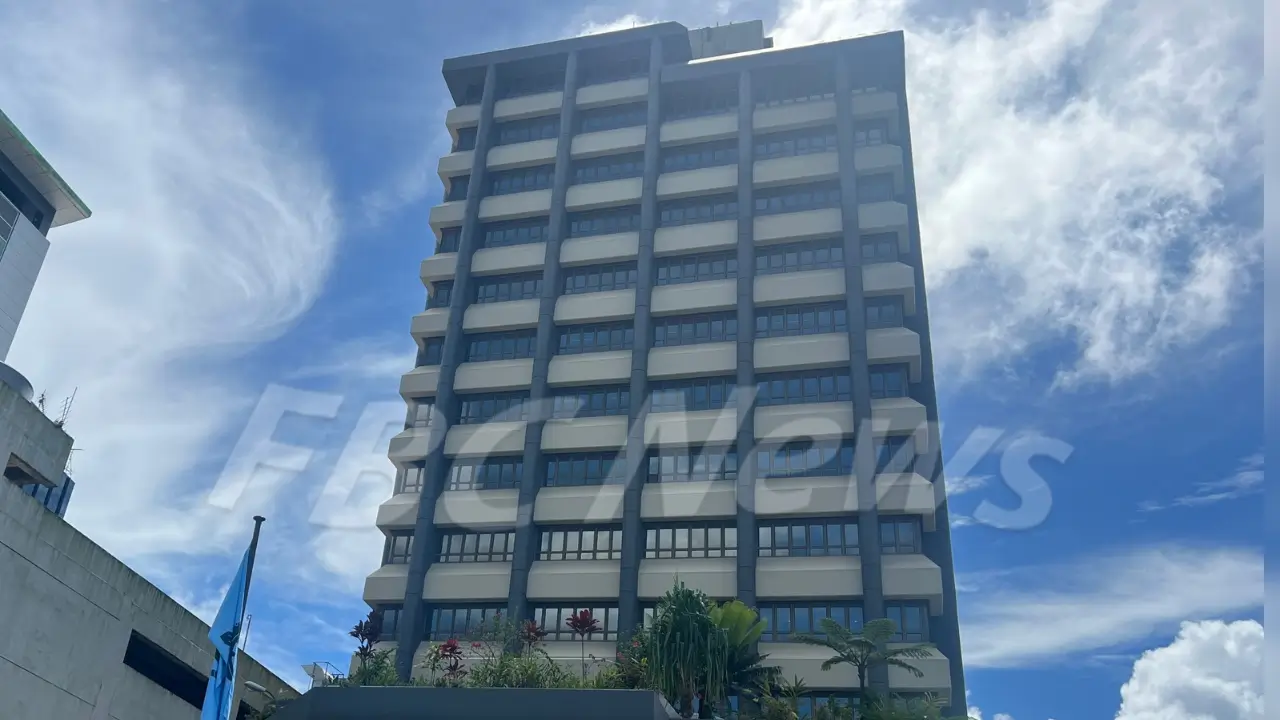
The Fijian economy is now projected to grow by 1.5 percent, revised down from the three percent forecast last November.
The Reserve Bank of Fiji, in its latest update, says that this is due to the strong momentum that was observed in the tourism sector observed in the first quarter has begun to soften.
The RBF states that while visitor arrivals remain supportive of economic activity, the pace of expansion has slowed, weakening one of the key drivers of growth.
Based on recent trends in arrivals, forward bookings, reduced flight frequencies, heightened concerns around energy security and tighter monetary conditions in key markets, including Australia, visitor arrivals are now expected to grow at a slower pace than previously anticipated.
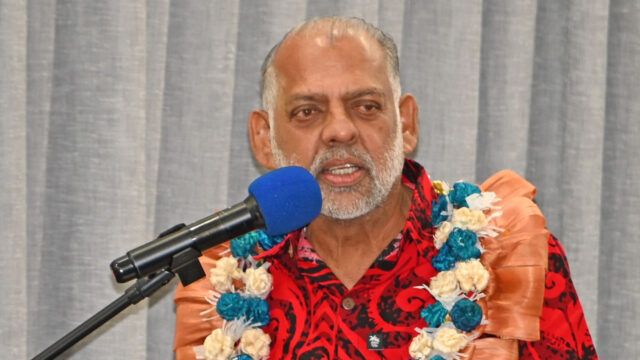
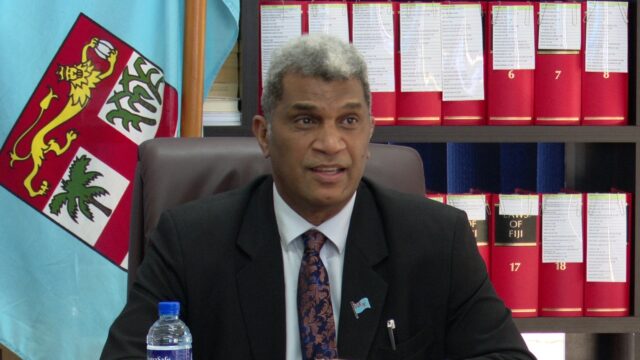
RBF Governor Ariff Ali also says that while remittance inflows registered strong growth so far, recent data on consumption activity is showing signs of easing as households adopt a more cautious approach to spending as they adjust to the higher cost of living and rising economic uncertainty.
This shift is reflected in the latest Reserve Bank of Fiji Retail Sales Survey, where businesses project retail sales to grow by two percent this year, much lower than the 6.8 percent expected in the August 2025 survey.
Ali says that while the government has announced targeted support measures and is expected to maintain these in the 2026-27 National Budget, given limited fiscal space, the revised growth outlook of 1.5 percent assumes that Government expenditure will remain at a similar level.
“So at this point in time, we feel that the 1.5% growth in this year’s GDP, there’s potential for downside risk for it to be revised downwards, depending on how long this crisis stays. Of course, we also look forward to the budget that will come out later this month. So the budget can add some stimulus to the economy, but we understand that they are, what you call in the economic term, fiscal space, that government’s expenditure has risen sharply over the last three years, and for the room for government to spend more is not as much as is there.”
Looking ahead, the economy is forecast to expand by 2.5 percent in 2027 and to converge to its longer-term trend of around three percent in 2028.
The RBF says that over this period, the services sector, particularly tourism, is anticipated to remain the main driver of growth, supported by contributions from the industrial and primary sectors.
The outlook for Fiji’s external sector remains closely linked to the current global environment, characterised by elevated imported inflation and heightened uncertainty.
It says that higher fuel import costs will lead to a widening of the merchandise trade deficit and result in a larger current account deficit over the forecast period.
Latest data indicate that inflation rose to 3.9 percent in May, a significant turnaround from -3.8 percent in September 2025.
Year-end inflation is now expected to exceed six percent, underpinned by high imported inflation, particularly through fuel and food prices and their second-round effects.