 Nikhil Aiyush Kumar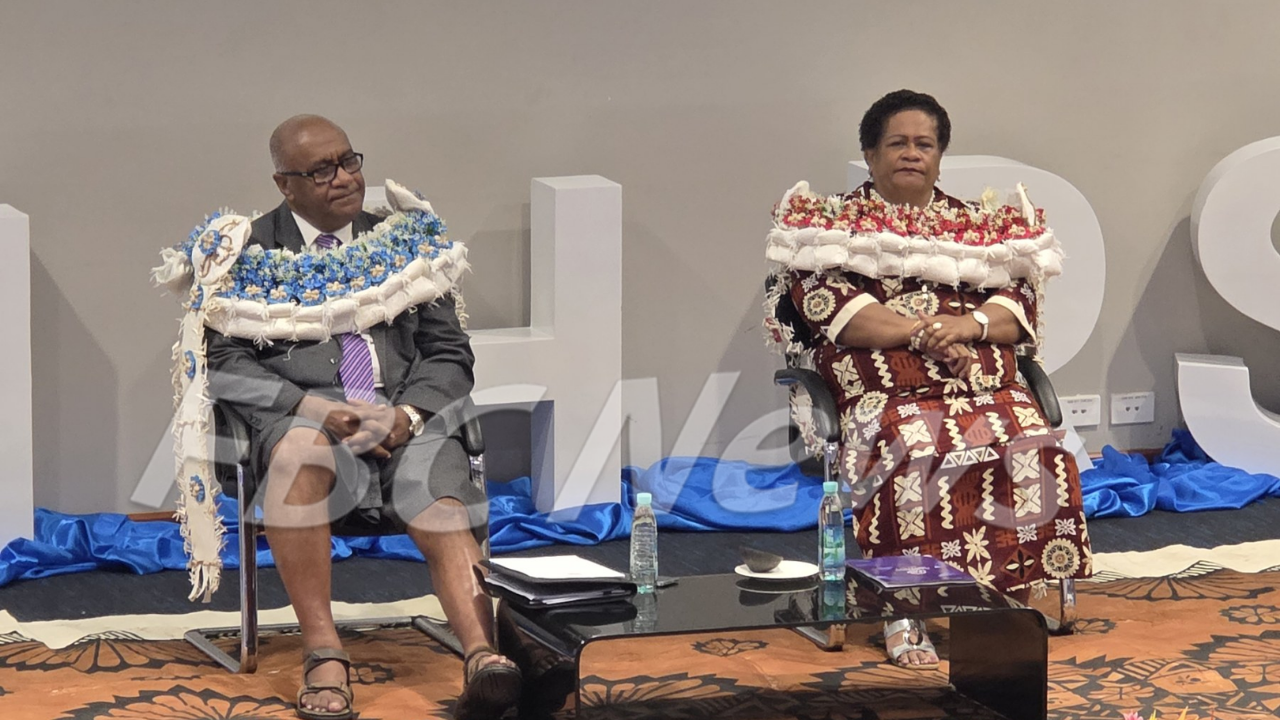
The Government is moving to strengthen the link between health research and policy, with findings from the 2026 Pacific Islands Health Research Symposium to be formally referred to Cabinet.
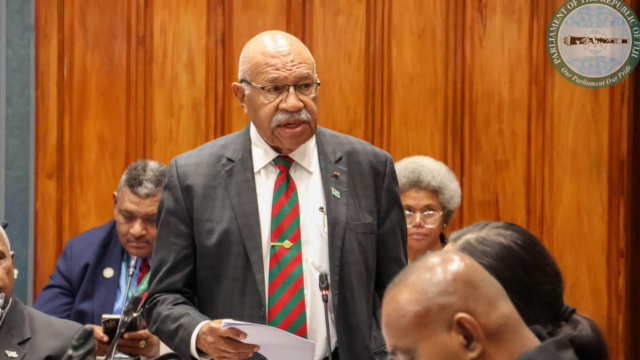
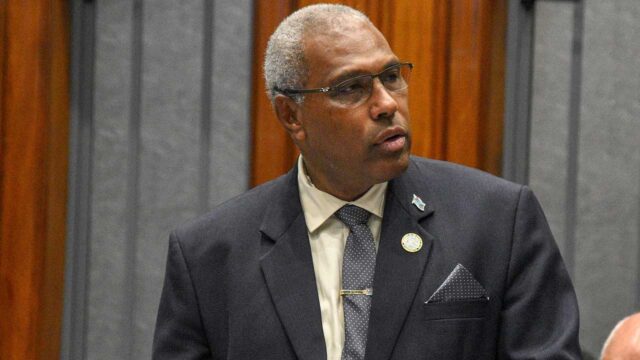
Deputy Prime Minister Manoa Kamikamica says research must go beyond academic discussion and contribute directly to government decision-making.
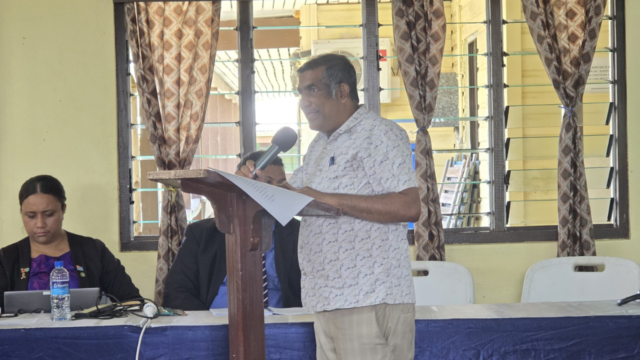
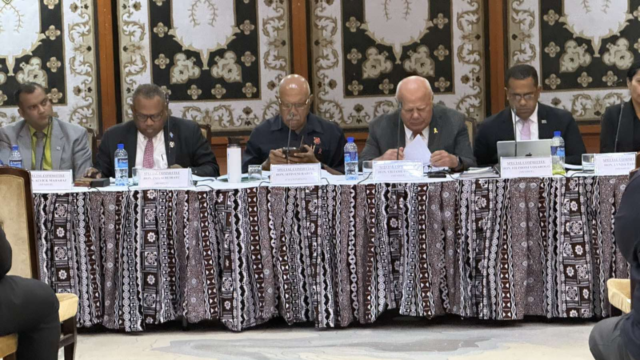
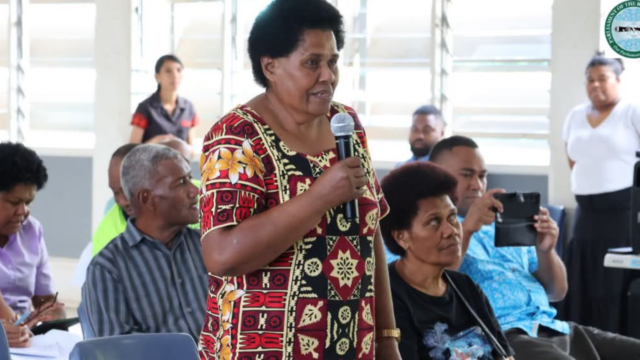
Speaking at the opening of the symposium at Fiji National University today, Kamikamica committed to ensuring the outcomes of the week-long event reach the relevant ministries.
He says the organising committee will prepare a written statement of findings and recommendations at the conclusion of the symposium.
The document will then be referred to the Ministry of Health and Medical Services and the ministry responsible for national development and statistics.
Kamikamica says the Government wants to close the gap between research and policy.
“Research that does not reach Cabinet has limited capacity for change of policy.”
He says researchers also have a responsibility to present findings in a form that policymakers can understand and act on.
Kamikamica has challenged researchers to provide short, plain-language summaries of findings that have implications for staffing, procurement and government budgets.
He says the distance between sound research and policy change is often not a scientific problem, but a failure to translate evidence into information that decision-makers can use.
The commitment comes as more than 130 presentations are set to be delivered this week during the Pacific Islands Health Research Symposium, covering issues including diabetes, cancer, HIV and tuberculosis.
Maternal and child health, mental health, climate and planetary health, and digital health will also be looked at.
Kamikamica says Fiji and other Pacific countries cannot afford for valuable research to remain within academic institutions.
He also stressed the importance of Pacific-led research, arguing that data generated in the region should benefit Pacific governments and communities.
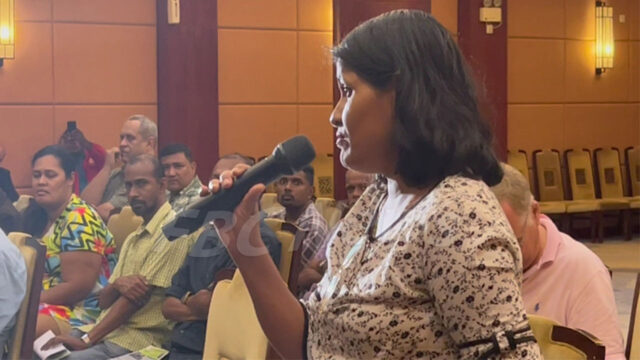
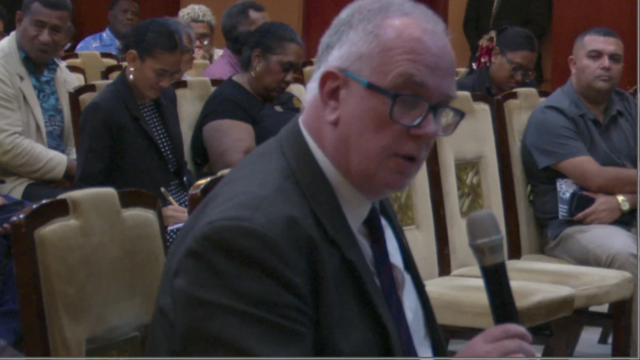
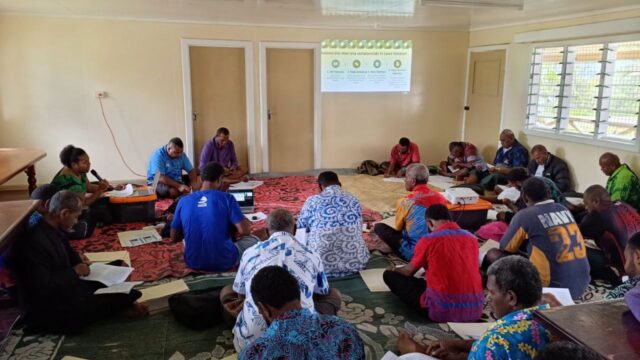
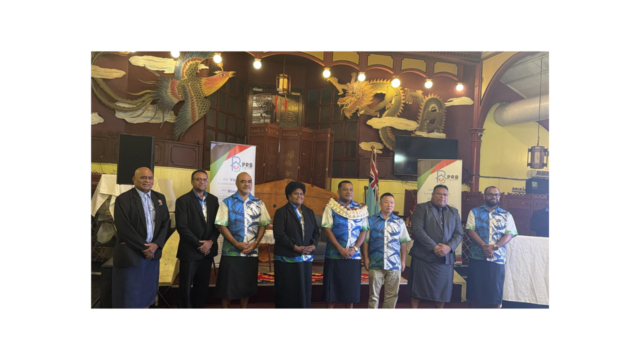
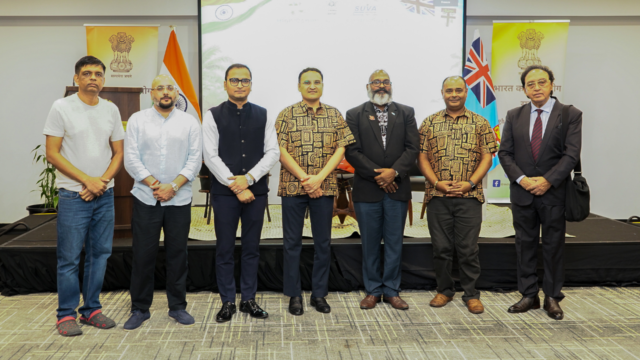
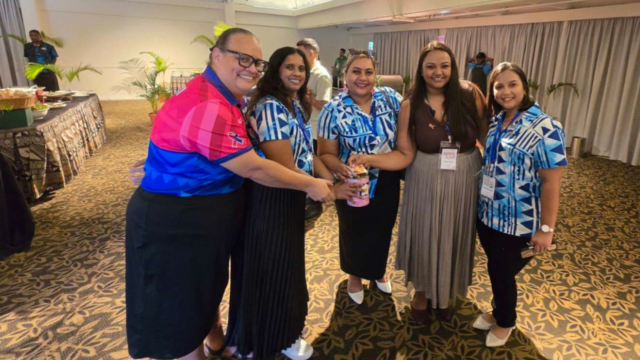
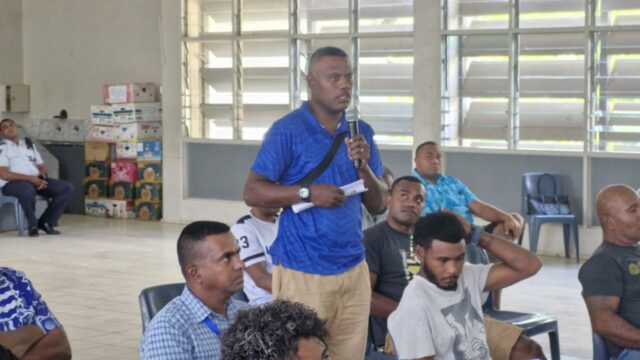
The symposium is bringing together researchers, academics, clinicians, students and health officials from across the Pacific.