 AAP News
Source: AAP
Anthony Albanese is heading to the Pacific Islands Forum leaders’ meeting against the backdrop of Australia’s strategic ascendancy in the region.
The prime minister has landed a string of deals underpinning Australia’s essential place in the Pacific, raising eyebrows among many.
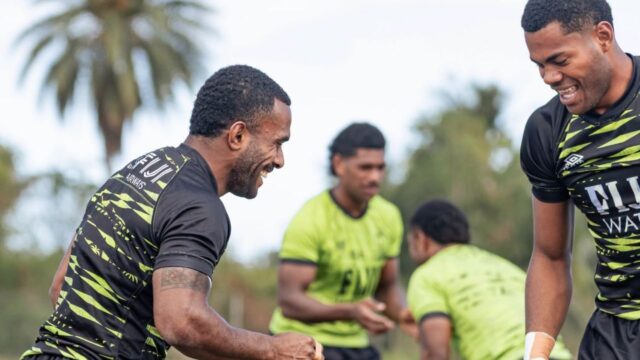
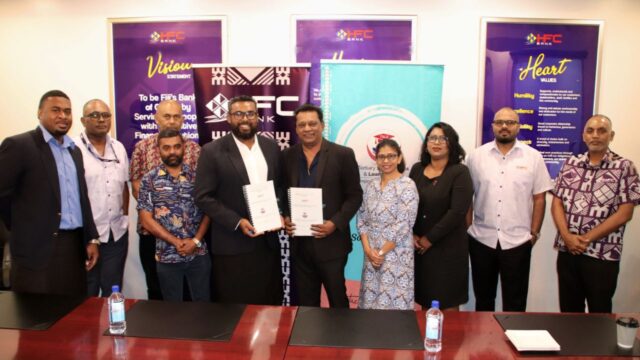
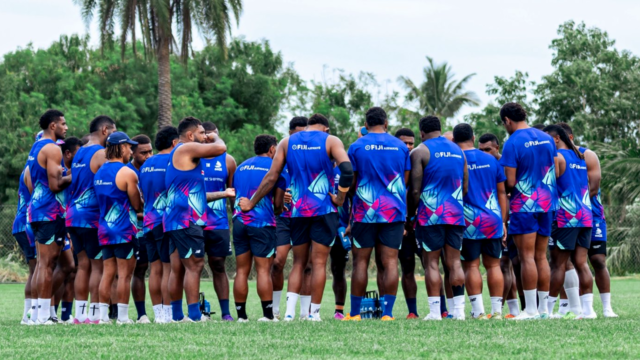
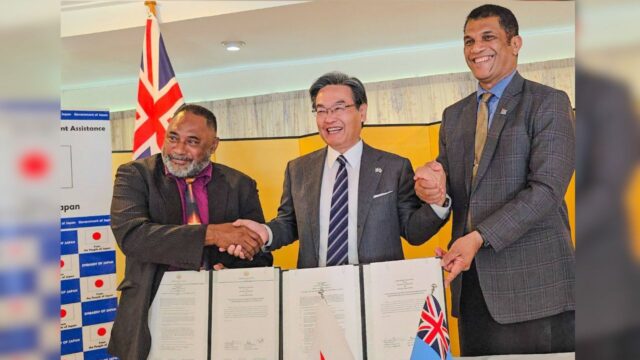
Papua New Guinea and Fiji are becoming Australia’s first new defence allies in more than 70 years, following the signing of the Ocean of Peace Alliance in Suva in July and a landmark agreement with PNG in late 2025.
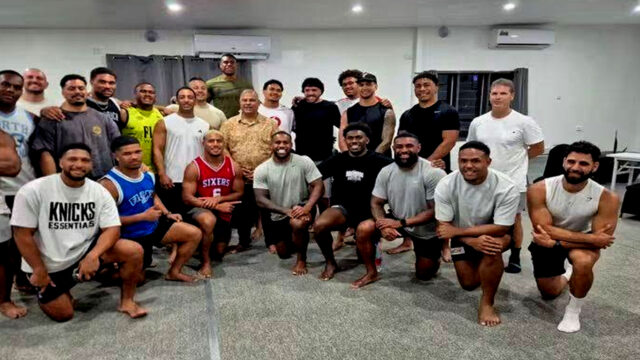
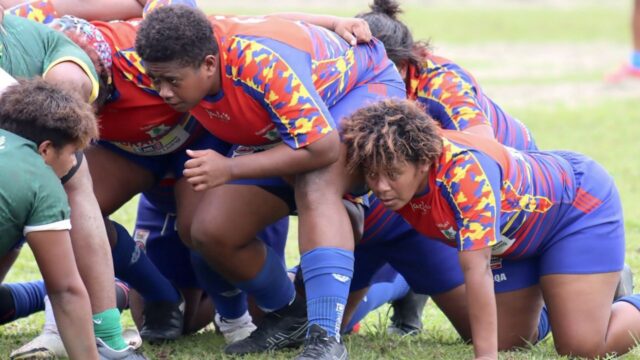
Port Moresby is getting an NRL side in a $600 million spend-up on rugby league across the region.
An Australia-backed regional police force – which will be on hand to help during the Pacific Islands Forum summit in Palau from Sunday – and the Joint Heads of Pacific Security alliance are gaining strength.
This comes on top of existing treaties with Tuvalu and Nauru and steady progress towards a fresh pact with Solomon Islands.
And as luck might have it, one of the most pro-Beijing administrations in the region, Jeremiah Manele’s Solomon Islands government, was recently replaced by a more Canberra-friendly government led by Matthew Wale.
Australia is also the region’s largest aid donor, providing more than a third of total official development assistance in the Pacific, according to the most recent figures analysed by the Lowy Institute.
If the Pacific is – as Foreign Affairs Minister Penny Wong said in 2024 – in a “state of permanent contest” between China and the West, Australia is currently kicking with the island breeze.
“Australia has definitely had some great advances,” Australian Strategic Policy Institute defence program director Mick Hughes told AAP.
“All of these treaties speak to an integration agenda which achieves many things.
“One of the key things it achieves in a strategic competition sense is an inoculation against China’s malign influence.”
Australia’s haste comes after years of patient engagement in the region.
Senator Wong visited all Pacific Islands Forum member nations after Labor won government in 2022, while Mr Albanese built relationships with key counterparts such as James Marape in PNG and Sitiveni Rabuka in Fiji.
Australia has stepped up those efforts in recent years in response to China’s heightened diplomacy.
The strategic contest was underlined in July when Beijing conducted its first public test of a submarine-launched ballistic missile in international waters in the South Pacific.
The nuclear-capable missile landed in the South Pacific Nuclear Free Zone, drawing condemnation from many members.
It did not, however, earn a rebuke from the Pacific Islands Forum, which takes stances by consensus, after not all 18 members agreed.
“The failure to reach consensus on a statement condemning the Chinese missile test was quite a bellwether for where we’re at,” Lowy Institute fellow Connor Graham told AAP.
“The rhetoric of Pacific unity is escaping the reality.”
The logjam caused by consensus decision-making has led to a series of reviews expected to be put under the microscope in Palau.
But Australia is not waiting for reform to achieve its goals in the region.
Australia’s spate of deal-making and new inter-governmental policing and security arrangements speak to what Senator Wong has outlined as the central goal of Australian foreign policy.
“The purpose of our foreign policy is to expand the international space in which a nation can operate, to increase its options and to maximise its choices,” she said in a speech earlier in August.
“(It is) more pressing than ever in a world where it is increasingly difficult for middle powers and smaller nations to simply hold the strategic space they have, let alone expand it.
“The first priority must be the region, because this is where Australia has the most on the line.”
These ambitions and new arrangements, however, sit uncomfortably with many – not just in China, but across the Pacific too.
At the annual Pacific Dialogue on Security and Geopolitics, held without Australian and New Zealand involvement, Pacific policymakers and elders shared deep frustrations that their countries have been sidelined from leadership roles.
They say China’s aggression is unwanted; but so is a military response.
“The clear theme … is growing concern at the speed by which Australia is creating this hub-and-spokes security architecture,” Massey University associate professor Anna Powles told AAP.
“It is undermining the region’s concerns around securitisation and militarisation in the region.
“From Canberra’s perspective, the security challenge posed by China was moving at pace, hence the speed with which Australia has pursued security arrangements.”
The summit in Palau is shaping up as a fascinating check-in on regional dynamics given the host nation is one of just three Pacific states that maintain diplomatic ties with Taiwan, rather than Beijing.
It means Taiwan – and by extension, Australia and other western-aligned powers – enjoy a home-ground advantage.
With Palau President Surangel Whipps Jr allowing “dialogue partners” such as China, France and the US to attend alongside Taiwan – a specially-designated “development partner” – the likelihood of a China-Taiwan flashpoint looms large.
Climate financing and energy resilience, deep-sea mining and the would-be states of West Papua and Bougainville will also be on the forum leaders’ minds.
A range of regional and bilateral meetings will also take place alongside forum formalities, while advocacy groups will stage a host of events.
Organisers expect more than 2000 attendees from across the globe, straining the stunning Micronesian nation’s capital of Koror, home to about 12,000 people.