 Litia Cava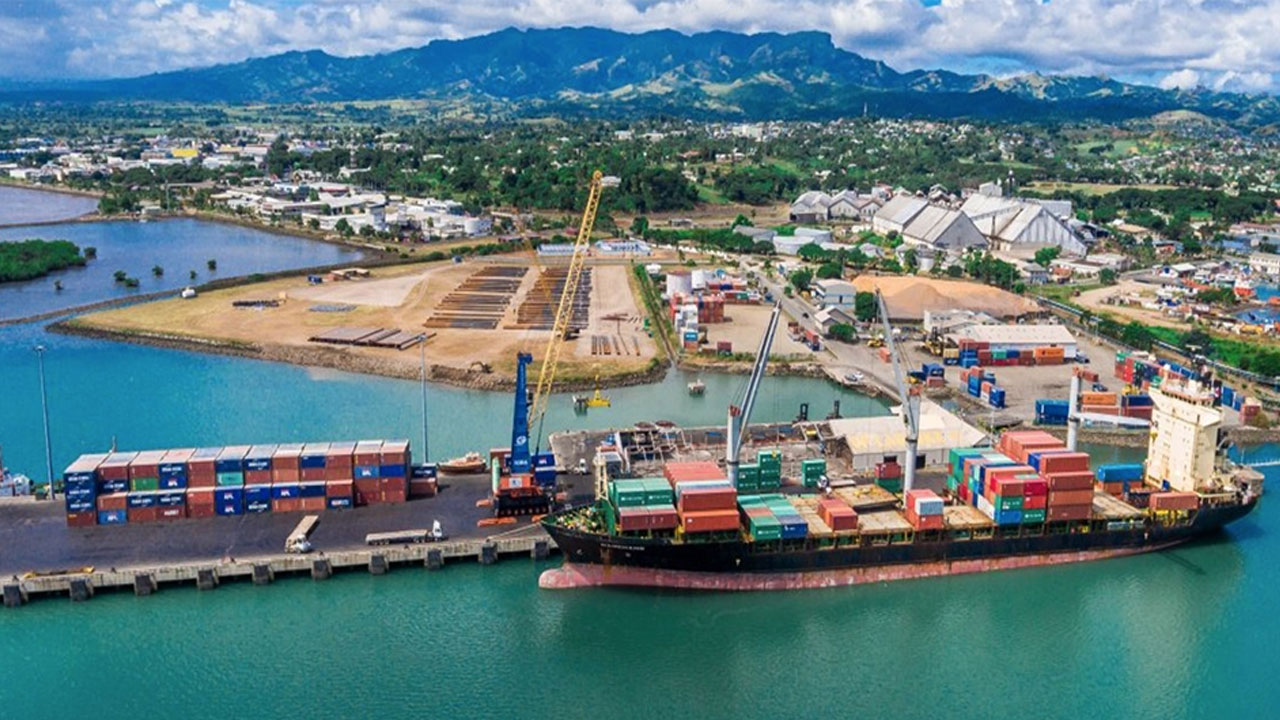
[File Photo]
Fiji will need stronger systems, skilled personnel and long-term funding to manage the proposed expansion of border security cooperation with Australia.
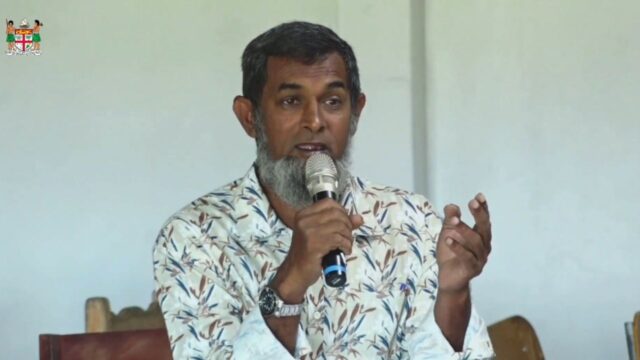
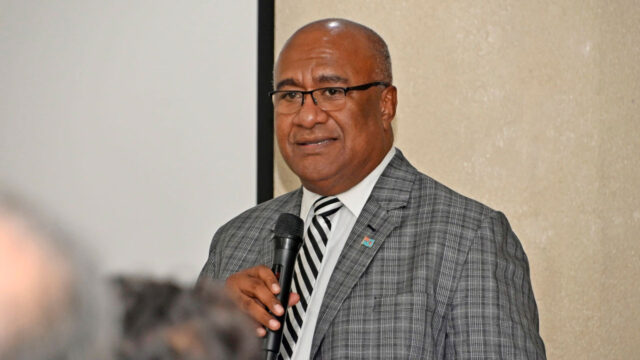
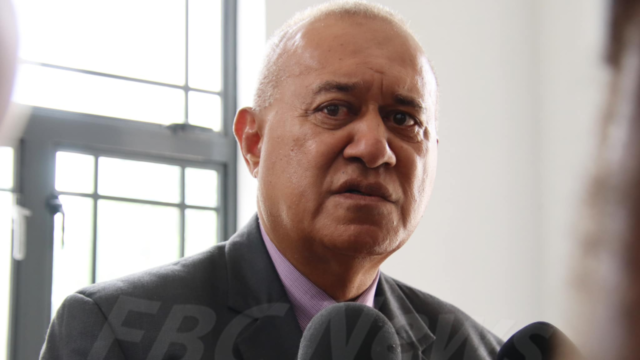
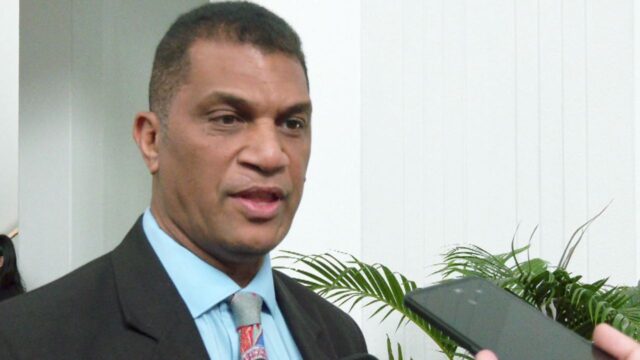
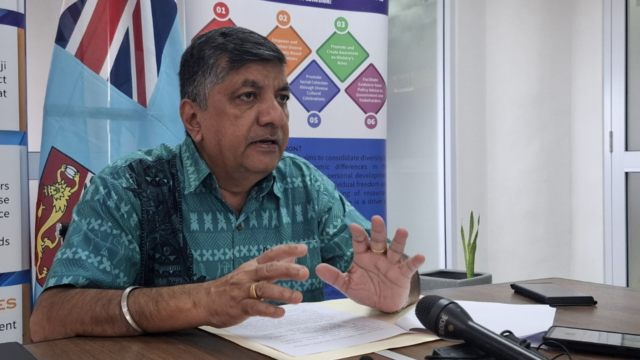
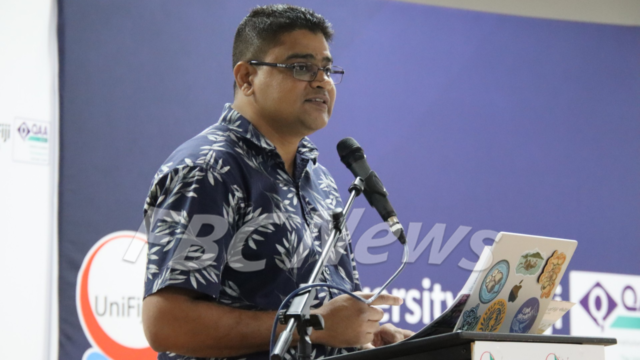
Thus, Fiji Revenue and Customs Service Chief Executive Officer Udit Singh stressed that closer cooperation must respect Fiji’s sovereignty and decision-making.
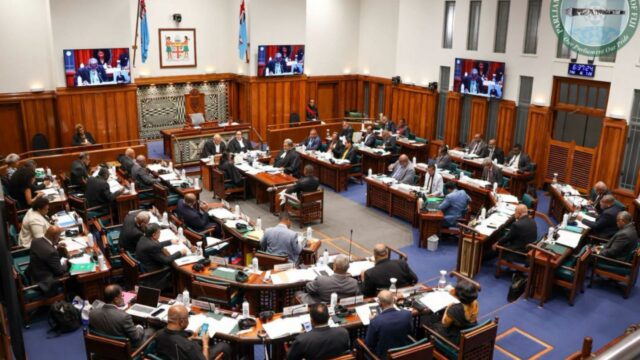
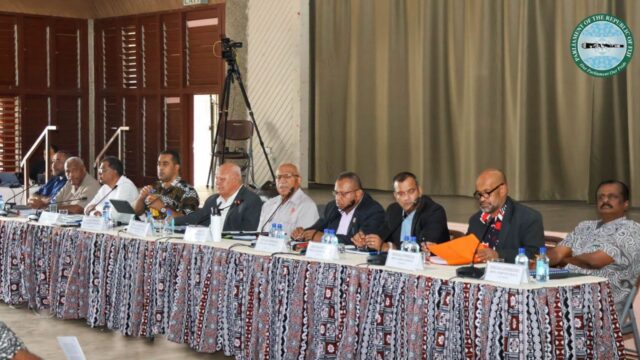
He told the Standing Committee on Foreign Affairs and Defence that the proposed Vuvale Union and Veitacini Treaty would directly affect how Fiji manages passengers, cargo, intelligence and sensitive revenue information.
He said the arrangements were not simply a foreign policy matter for FRCS.
“They would influence how the agency identifies high-risk passengers and cargo, secures ports and airports, exchanges intelligence and protects sensitive taxpayer and traveller information.”
Singh said one of FRCS’s key priorities was the development of a secure border management platform capable of processing passengers while strengthening risk assessment and intelligence sharing.
The system would form part of a wider push to modernise Fiji’s border and revenue infrastructure but Singh said the expansion must be matched by stronger protection of customs and revenue technology because these systems are critical national infrastructure.
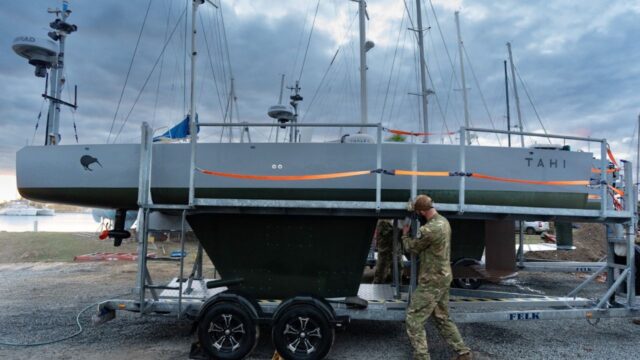
The proposed cooperation also covers cyber security, digital transformation, maritime surveillance, container inspections and responses to illicit drugs, organised crime and illegal trade. Singh said FRCS wanted to build specialist capability in targeting, investigations, digital forensics, trade-based money laundering, leadership and integrity.
The agency already has a growing operational partnership with the Australian Border Force. Australia has provided frontline mentoring, radios, binoculars and specialist inspection cameras. FRCS officers have also received training on narcotics concealment and supply-chain threats.
Intelligence shared through Australian border training has contributed to targeted examinations of air mail and sea cargo for concealed drugs and other prohibited items, Singh said.
Australia has also supported FRCS’s container inspection modernisation project, including advice on design, governance and operations.
Two container facilities are being developed in Suva and Lautoka, with the Department of Foreign Affairs and Trade funding a dedicated project manager to support their construction.
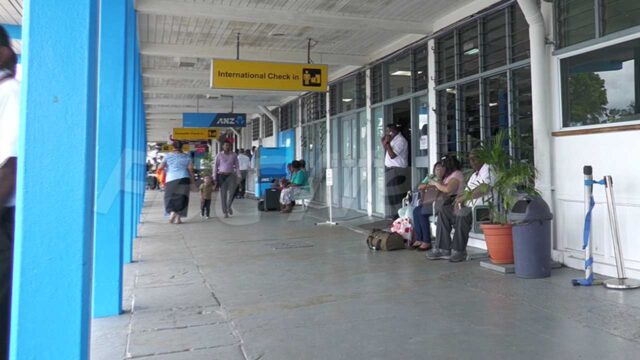
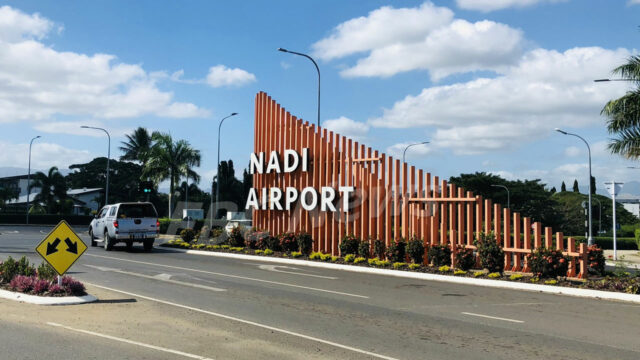
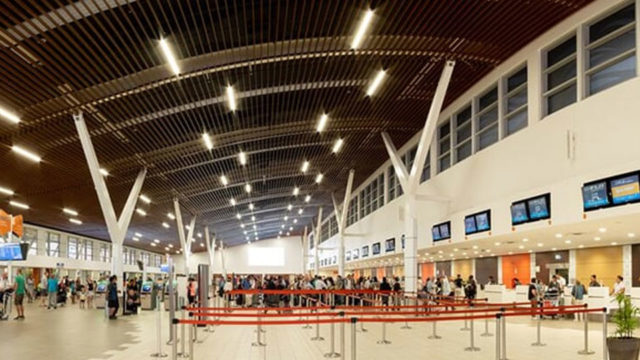
At Nadi Airport, 46 CCTV cameras funded by the Australian Border Force now cover arrivals, departures and baggage areas.
The FRCS CCTV control room became operational in June. Singh said these projects demonstrate that cooperation with Australia is already producing practical improvements in Fiji’s border capability.
However, he warned that new technology and equipment would not be enough.
Each initiative must have a defined outcome, an accountable owner, a delivery timetable and a way of measuring whether it improves operations, he said.
FRCS must also plan for the full cost of maintaining the systems once external project funding ends.
That includes staffing, training, maintenance, licences, connectivity and ongoing operating expenses.
Singh said priorities should be jointly agreed, aligned with Fiji’s national strategies and delivered through Fiji’s institutions.
The objective, he said, should be to ensure the capability remains in Fiji after individual projects conclude.