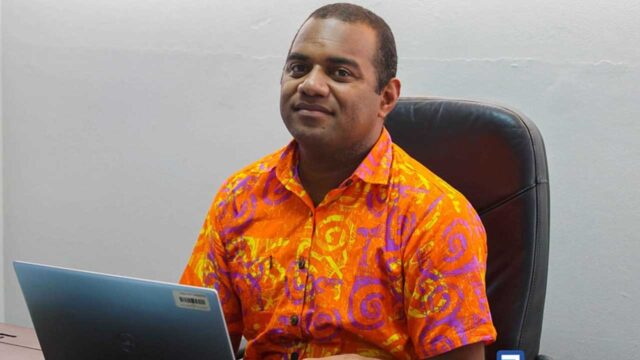
 Litia Cava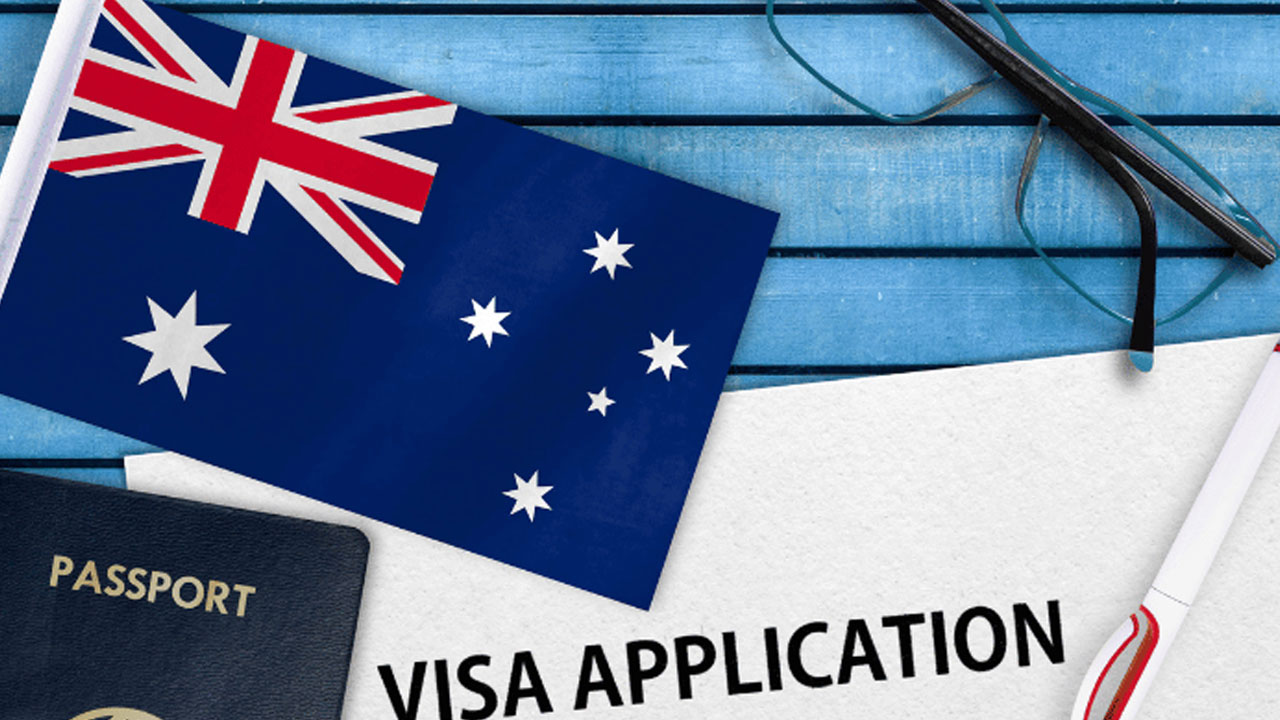
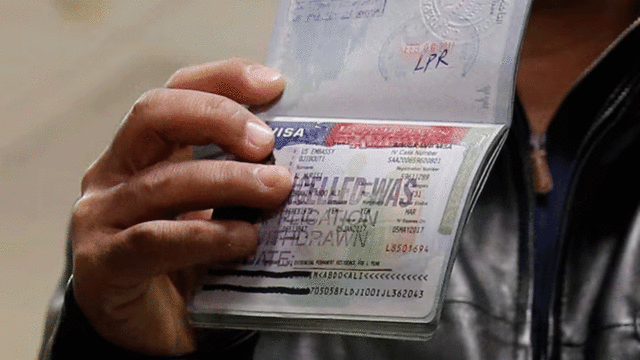
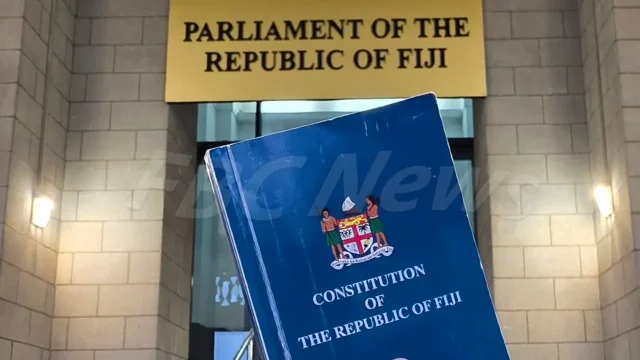
The proposed Fiji-Australia Vuvale Union Treaty does not guarantee visa-free travel for Fijian citizens to Australia.
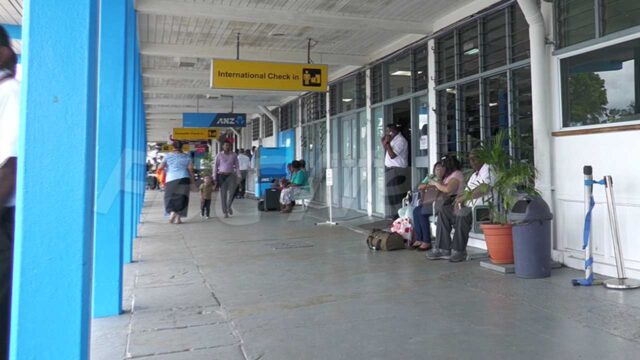
Instead, the government states that the immediate priority under Article 3.7 is to strengthen Fiji’s border management and identity systems before deeper mobility arrangements can be achieved.
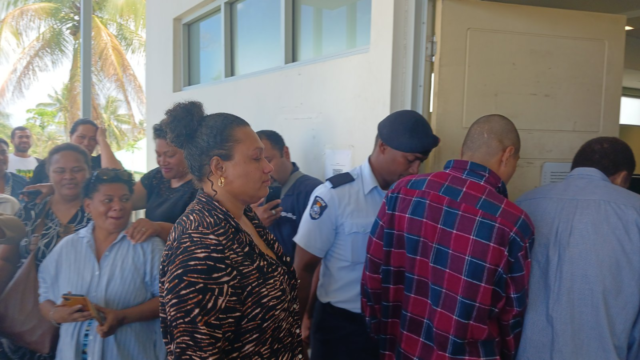
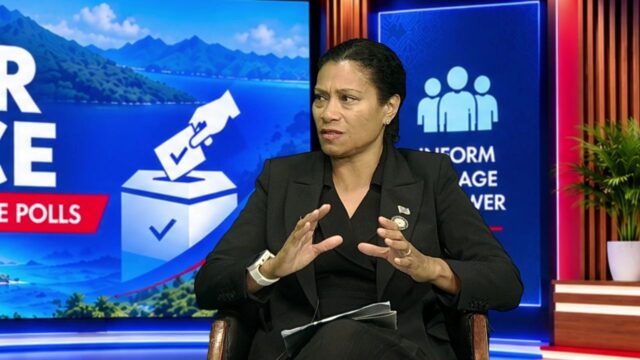
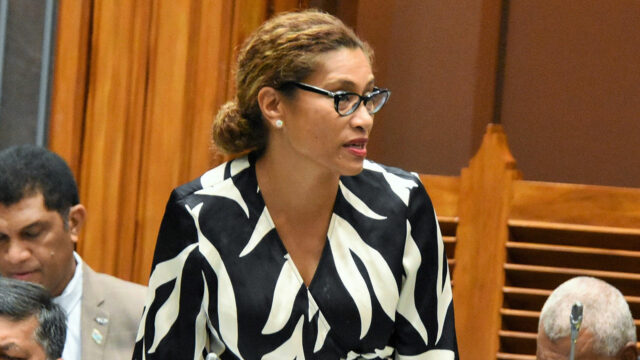
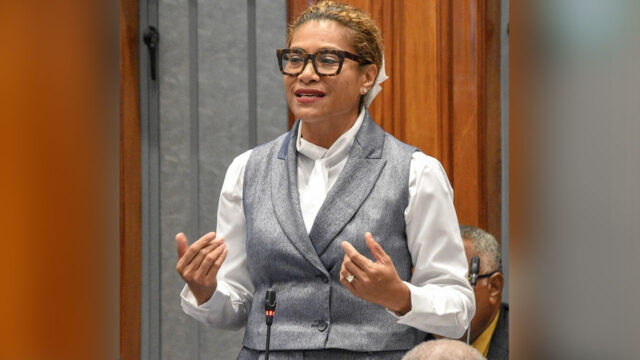
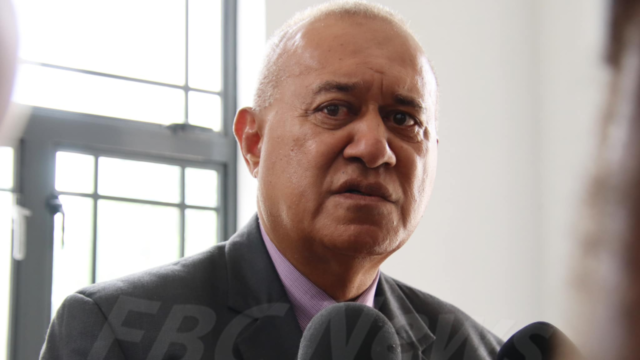
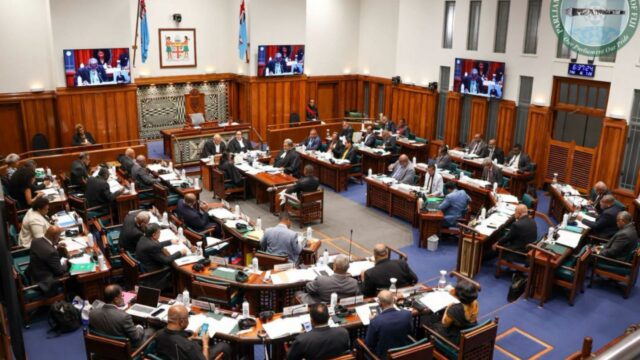
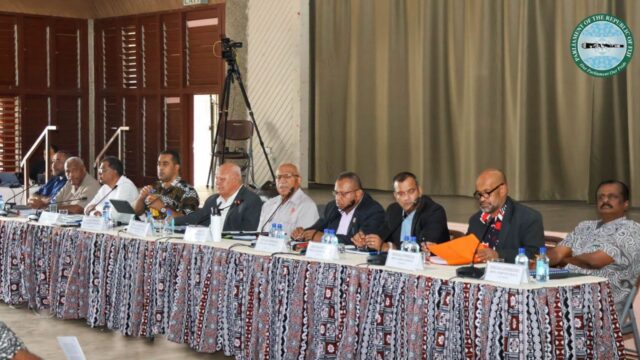
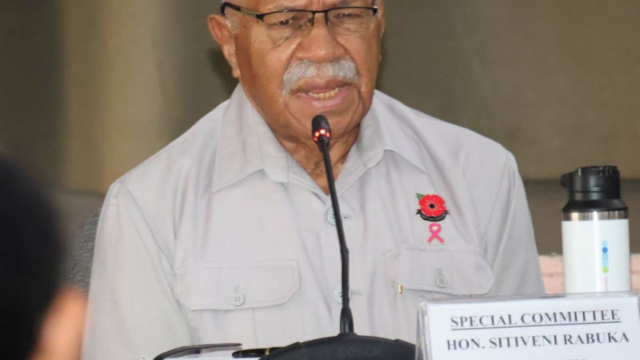
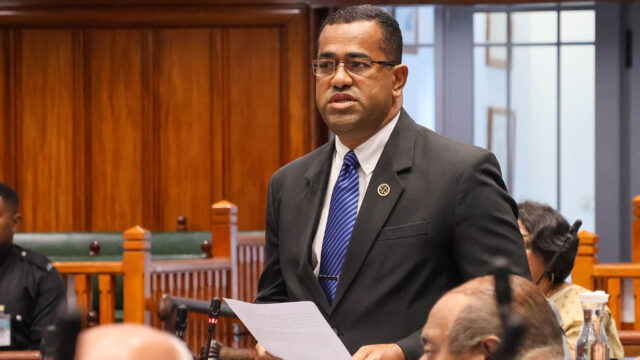
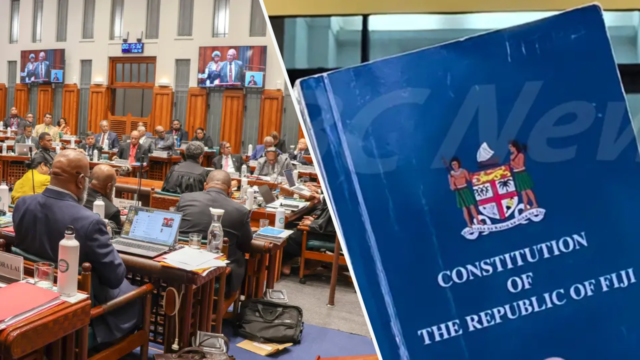
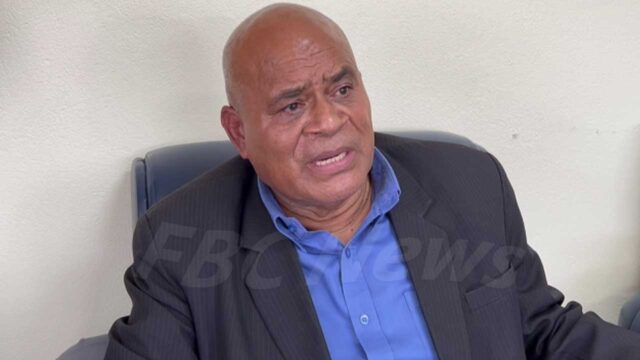
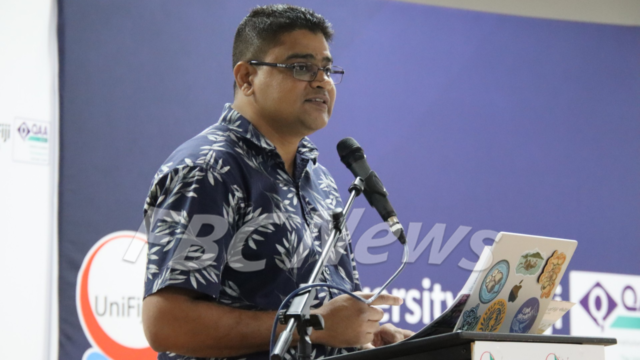
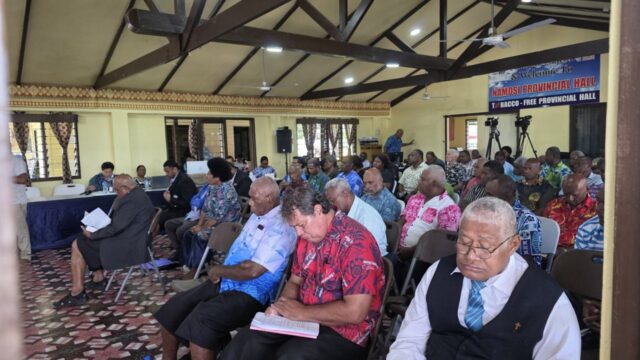
The issue was raised by Committee Member Ratu Isikeli Tuiwailevu during parliamentary hearings on the Fiji-Australia Vuvale Union.
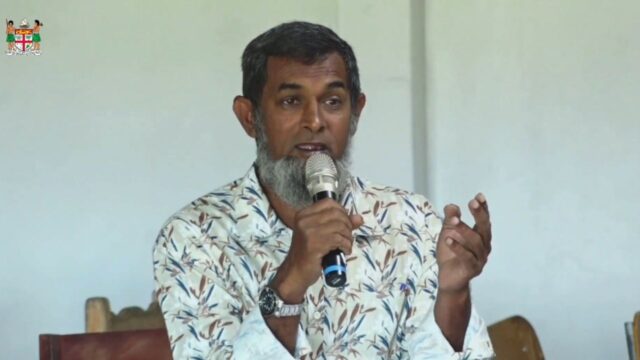
He asked Permanent Secretary to the Prime Minister’s Office Dr Lesikimacuata Korovavala whether the treaty’s commitment to “enhancing mobility setting” would result in genuine visa facilitation or visa-free entry for Fijians travelling to Australia.
The question went directly to one of the most significant expectations surrounding the proposed treaty whether closer ties with Australia would make it easier for ordinary Fijians to travel.
But Dr Korovavala’s response stopped short of offering any visa-free commitment.
He said the provision was primarily built around identity management, ensuring one person has one verifiable identity and strengthening the systems that underpin travel and border security.
Fiji, he states must first strengthen its own border management system so that Australia can have greater confidence in the identity of people travelling on Fijian passports.
“The basis approach to this was the principle of identity management. For one person, one identity.”
Dr Korovavala said work was already underway on Fiji’s border management systems, including the use of Advance Passenger Information and Passenger Name Record systems.
Further work is planned to strengthen the country’s foundational identity records, including birth, registration and death records.
Dr Korovavala said these records are critical because they ultimately underpin the issuance of passports and other travel documents.
The government is also working with Australia on areas including border management and the marriage registration system, while further work is planned around transit areas.
Dr Korovavala identified transit areas as a vulnerability in efforts to combat transnational crime, migrant trafficking and smuggling.
He pointed to international use of biometric systems such as iris scanning as an example of technology that can provide stronger identity verification than conventional boarding passes.
He also highlighted progress in extending the length of stay for travellers between the two countries.
Fiji has extended the period of stay granted to Australians from three months to four months, with Australia reciprocating by extending the period for Fijians.
Australia is also extending multiple-entry visas from three years to five years, providing eligible travellers with longer-term access.
The broader objective, he states is to integrate Fiji and Australian systems so that information can be shared securely, while ensuring its validity, confidentiality and proper use.