 Kelera Ditaiki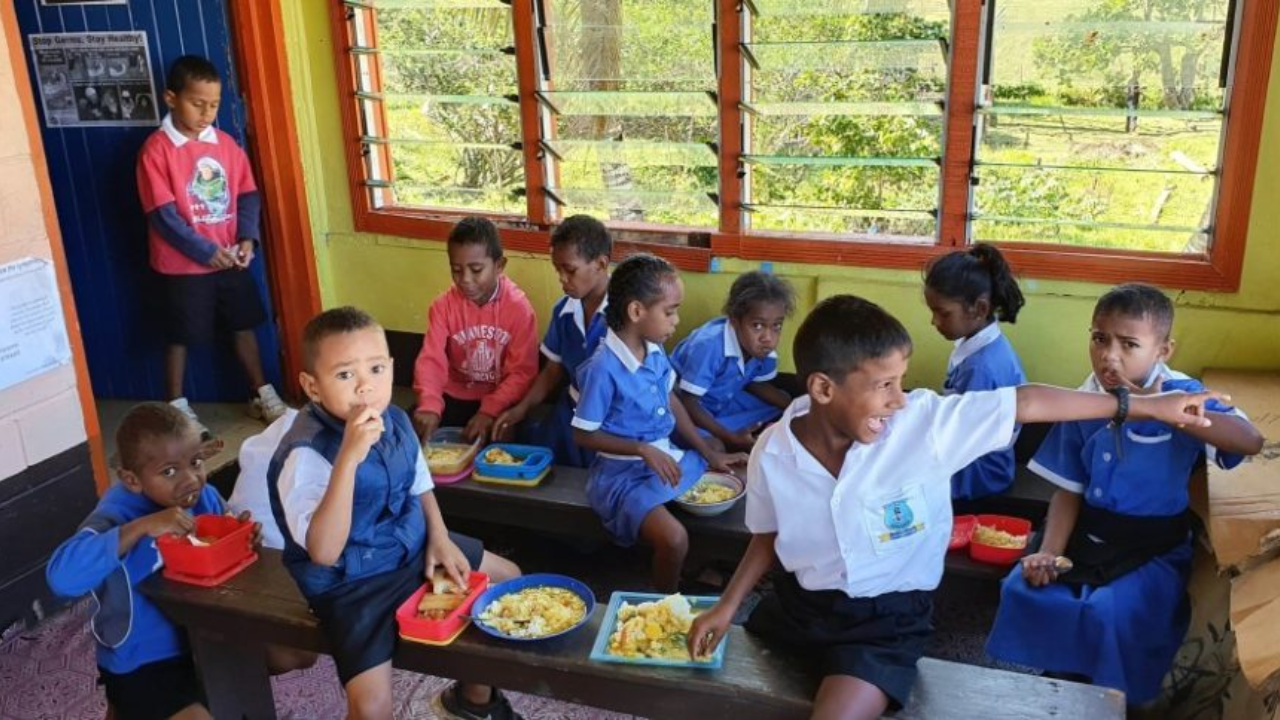
[Photo: File]
Getting children to eat more vegetables may depend on more than simply putting them on the plate.
Food Science Assistant Lecturer at the Fiji National University, Asaeli Naika, says how vegetables are prepared and presented can influence whether children are willing to eat them.
His comments come as concerns grow over childhood obesity, with figures showing that one in three children is overweight.
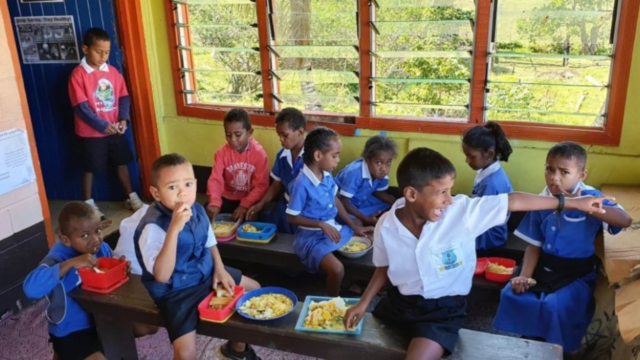
Naika and his team carried out a study in three schools and found some students rejected vegetables because they were too oily, while others complained that cassava was too hard.
Naika says the findings show that providing vegetable-rich meals is not enough if children do not enjoy the food.
“It is not enough to prescribe a vegetable-rich meal if the students are not going to eat it.”
The pilot study examined which vegetables children liked, what they were willing to try and why they rejected certain foods.
Naika says the team will work with school kitchen staff and children to develop menus that are nutritious while also appealing to students.
He says improving school meals could also help address Fiji’s growing nutrition challenges, with children currently consuming an average of less than 40 grams of vegetables a day.