 Litia Cava
[File Photo]
The threshold for triggering Fiji’s mutual defence obligations under the proposed Ocean of Peace Alliance remains unclear.
Questions remain over whether major cyberattacks and other forms of hybrid warfare would qualify as an armed attack.
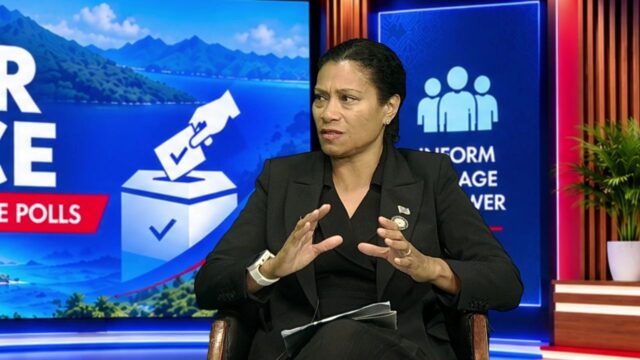
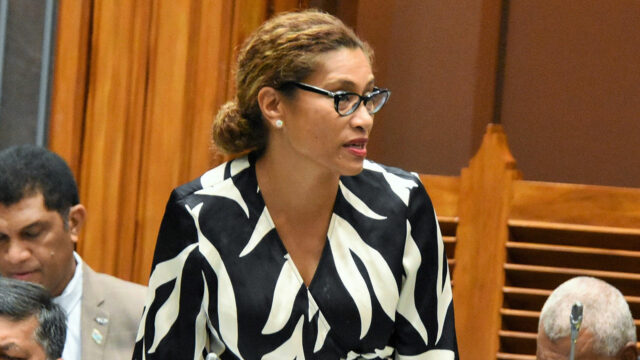
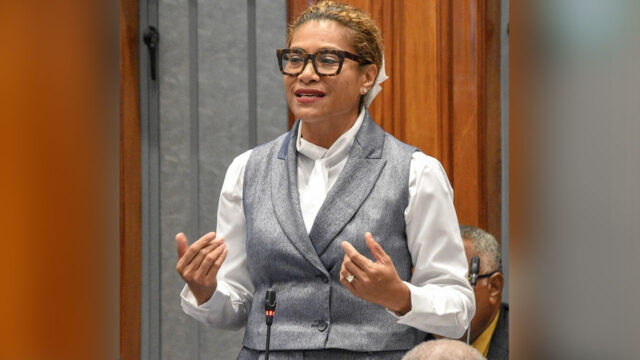
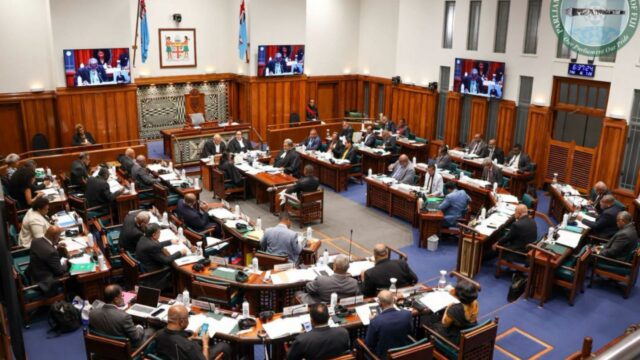
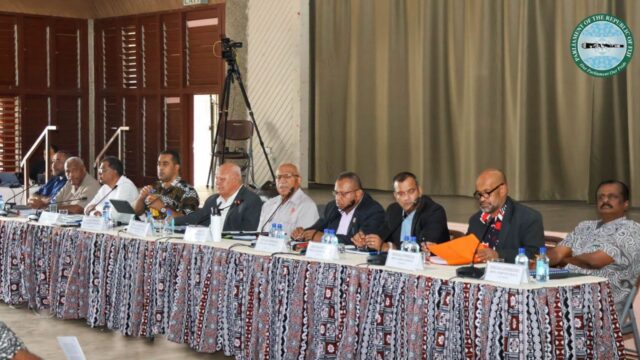
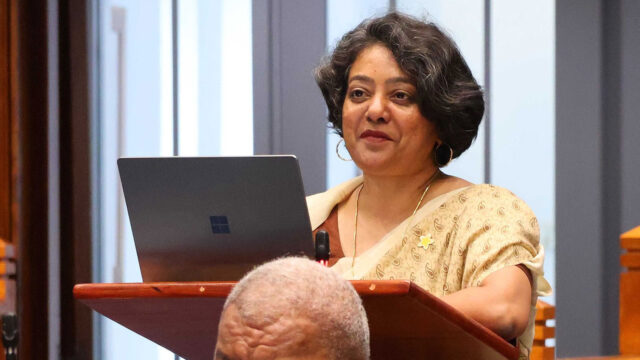
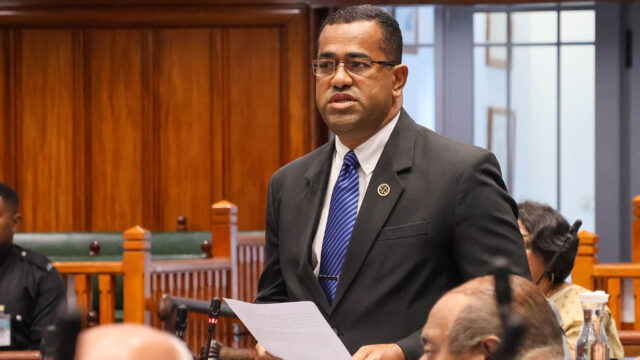
Standing Committee Chair Lenora Qereqeretabua questioned whether Fiji would be expected to respond if a state-sponsored cyberattack caused widespread disruption, critical trade routes were blockaded or undersea telecommunications cables were cut.
She asked whether such actions would trigger Fiji’s mutual defence obligations under Article 6.
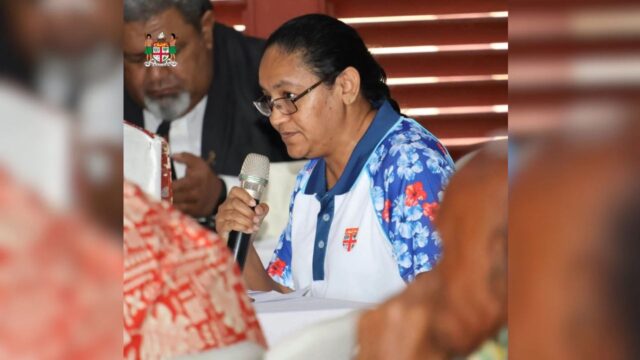
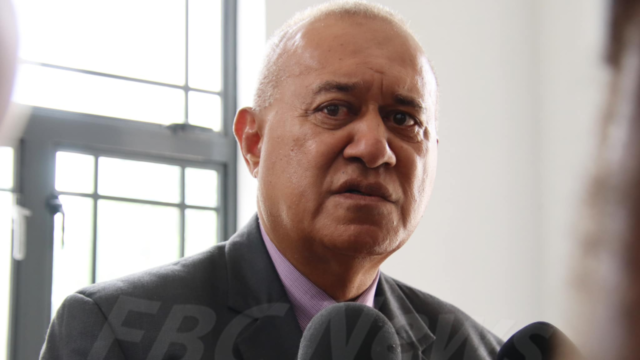
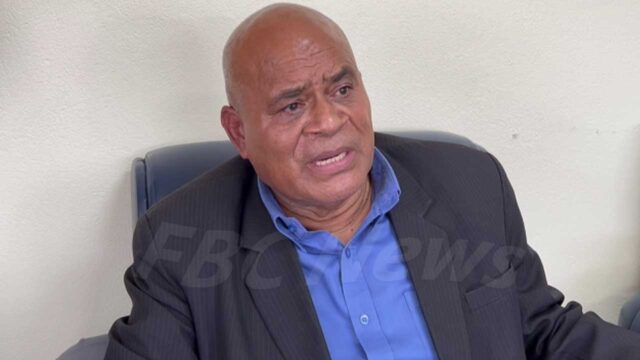
Permanent Secretary to the Prime Minister’s Office Dr Lesikimacuata Korovavala did not provide a clear definition of what would constitute an armed attack.
He said proportionality was central to peace operations and that Fiji needed to work with Australia to strengthen its ability to protect critical infrastructure.
Dr Korovavala said several legal and operational issues still needed to be worked through.
These include the powers of Fiji’s enforcement agencies in maritime areas.
He said this work would help decode the treaty provisions and ensure agencies could protect Fiji’s sovereignty and territory.
The committee also questioned what legal remedy Fiji would have if a treaty partner failed to meet its defence obligations during a national security crisis.
Article 11 prevents disputes under the agreement from being referred to national or international tribunals.
Dr Korovavala said the agreement was based on good faith and the Pacific way of resolving differences through dialogue.
He referred to the shared history of Pacific countries working together during conflicts, peacekeeping missions and humanitarian emergencies.
The committee also asked whether an armed attack would require Fiji to increase military spending.
Dr Korovavala said the alliance was based on the Ocean of Peace Declaration and was intended to support peace rather than prepare Fiji for war.
He pointed to Fiji’s history of deploying troops for peacekeeping in Bougainville, Solomon Islands, Timor-Leste, Lebanon and other locations.
Questions were also raised about Fiji’s ability to manage defence and training gaps if either party withdrew from the treaty.
Article 15 allows either party to withdraw by giving 12 months’ notice.
Dr Korovavala said Fiji needed to build its own capabilities regardless of the treaty.
He stressed that Fiji remained responsible for protecting its people and providing essential services.
He also rejected concerns that Australia could use financial assistance to influence Fiji’s decision on the proposed alliance.
Dr Korovavala said every country had its own interests, but Fiji also had its own interests and responsibilities as a Pacific regional hub.
He said Fiji’s policy decisions were being assessed for their legal, financial, national and regional impacts.
Dr Korovavala said the proposed alliance would give Fiji greater capacity to act in its role as a regional hub.