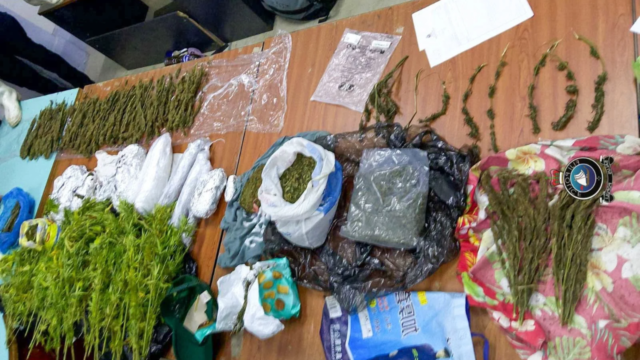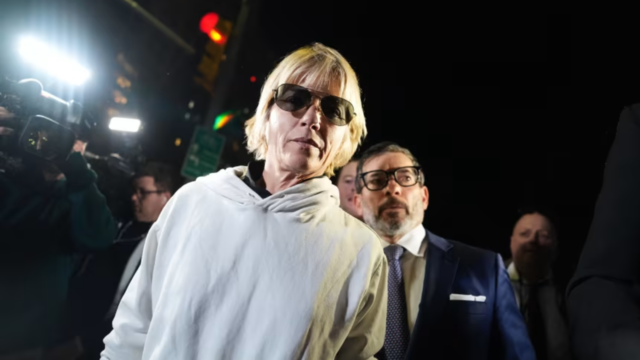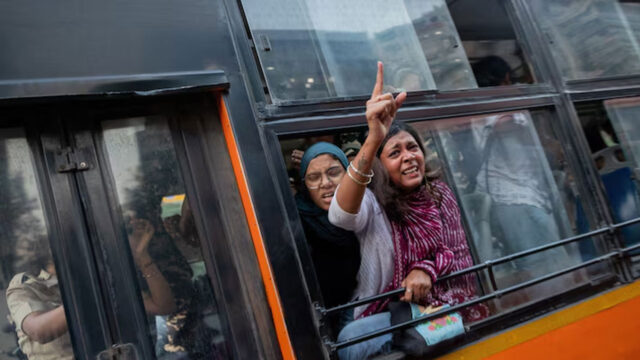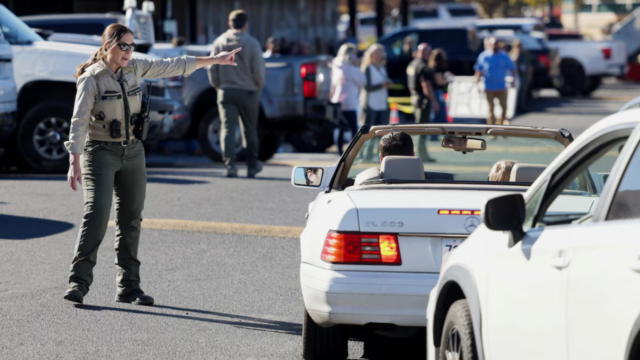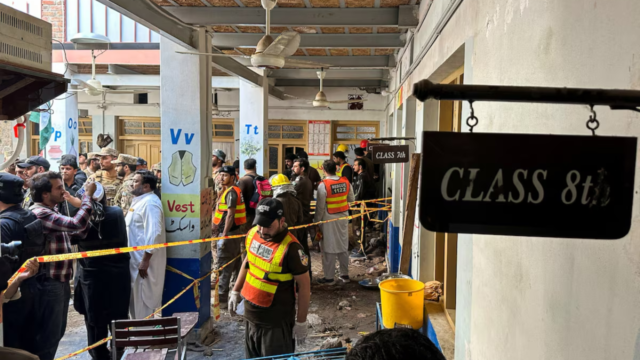
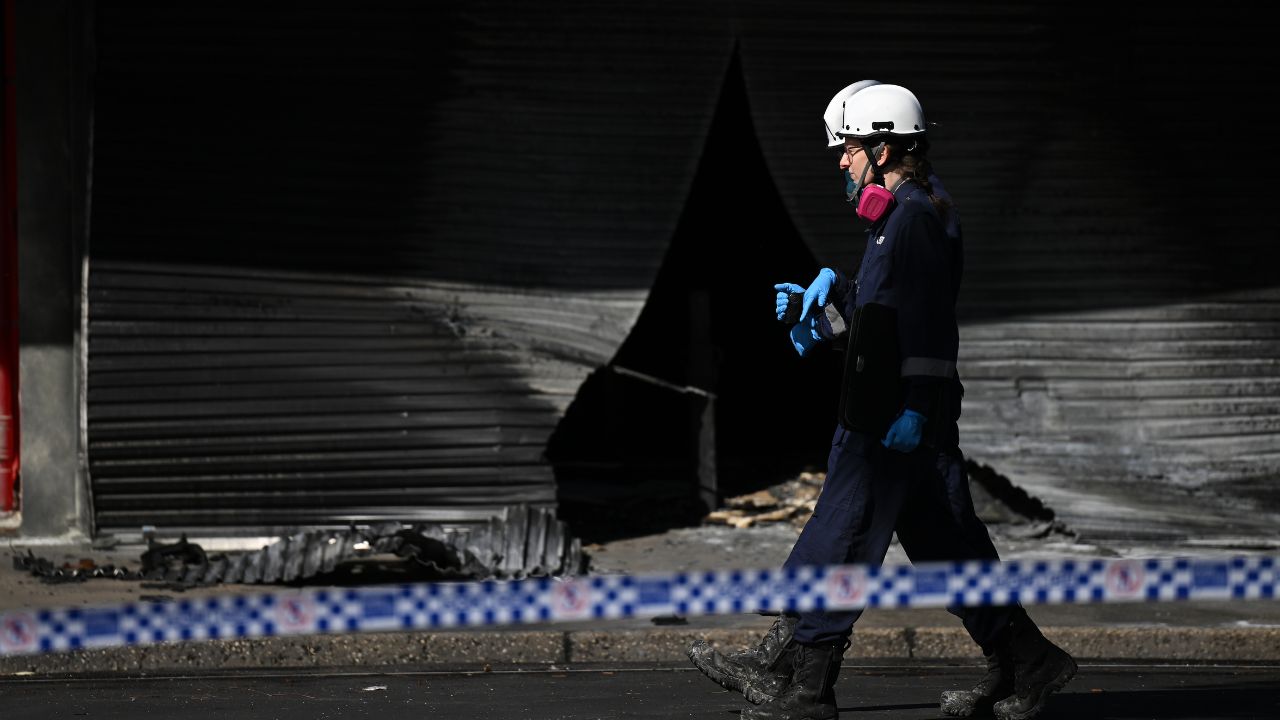
Forensic Investigators are seen at work at the scene of a shop fire in Melton, Victoria. [Photo Credit: AAP Image/James Ross]
Making cigarettes cheaper and removing economic incentives for organised crime to peddle illicit tobacco is a “no brainer”, according to an economist.
As the coalition announces a policy to slash taxes on cigarettes and make a legal pack around $30 cheaper, University of NSW economist Richard Holden is advocating for the removal of the tobacco excise for a period to knock the illicit industry out of the market.
“Then you can start again and think about an appropriate level of excise that generates revenue, but doesn’t provide an incentive for them to come back into the market,” Prof Holden told AAP.
Around 80 per cent of all tobacco consumed in 2025 was illegal, up from 12 per cent in 2017, according to estimates from the Australian Bureau of Statistics.
At the same time, the tobacco excise has more than tripled.
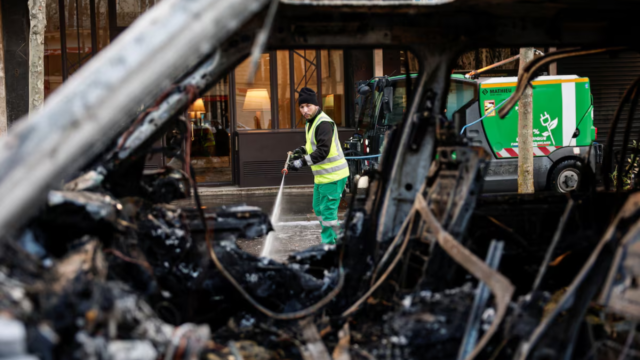
The increase of the excise has been blamed for a surging black market of tobacco products and a wave of gang violence, including firebombings of tobacconists.
There have been more than 150 tobacco store fires in Victoria alone since March 2023, with the latest firebombing in Melbourne on Thursday morning leading to an alleged offender fighting for his life in hospital.
After One Nation proposed a 75 per cent cut to the tobacco excise in August, Liberal Leader Angus Taylor is now pushing for it to be slashed by 80 per cent, which would see a packet of cigarettes fall to prices not seen since 2013.
Mr Taylor, who is seeking to counter a surge in popularity for Pauline Hanson’s party that has also seen support for his coalition drop to near-record lows, said he’s confident making legal cigarettes competitive would smash the illegal trade.
“We’ll take away the profits and the customers, and we’ll raise their costs,” he told reporters in Melbourne.
“This must be done now.”
The plan also includes measures to legalise and regulate vapes and nicotine pouches, replacing the current pharmacy access system.
It’s unlikely to move the dial, as the Albanese government has resisted making any change to the excise despite growing pressure from economists and NSW Labor Premier Chris Minns.
Senior government minister Tanya Plibersek has rubbished the opposition’s policy, labelling it a race to the bottom.
“It will kill people. Like seriously, we have some of the lowest smoking rates in the world because cigarettes are expensive,” Ms Plibersek said on News24.
Peak health bodies have also bristled at the coalition’s policy, with the Australian Medical Association suggesting it could drive people back to smoking.
AMA president Danielle McMullen said lower legal cigarette prices would likely increase smoking rates.
“Particularly among price-sensitive groups such as young people and people experiencing socio-economic disadvantage, widening health inequities,” she said.
But Prof Holden said a cut to the excise would only impact legal cigarettes and wouldn’t make them cheaper than products available already to smokers.
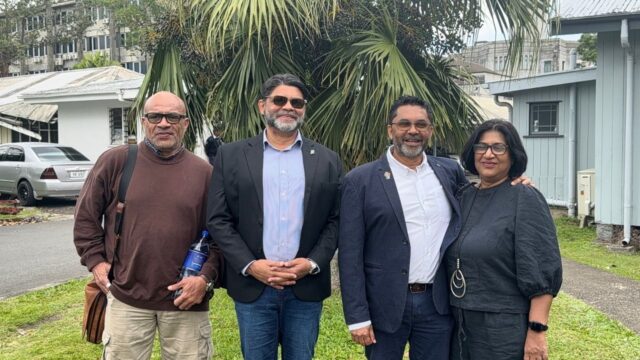
Prof Holden, alongside fellow advocates for an excise cut, Nick Coatsworth and Rohan Pike, have signed an open letter to the prime minister to support the coalition’s policy.
Revenue from the tobacco excise has fallen from around $16 billion in 2019-20 to under $8 billion in the span of five years, while smoking rates have increased during the same period, according to the ABS.
“This could easily be handled in a bipartisan manner,” Prof Holden said.
“It’s just an absolute no-brainer, and if the government doesn’t follow the policy that the coalition’s announced, it will obviously be because of politics, because there is no other reason not to do it.”
The coalition’s policy also includes a $200 million for law enforcement and a further $60 million for a public health campaign to discourage taking up a smoking habit.