 Reuters
[Photo Credit: Reuters]
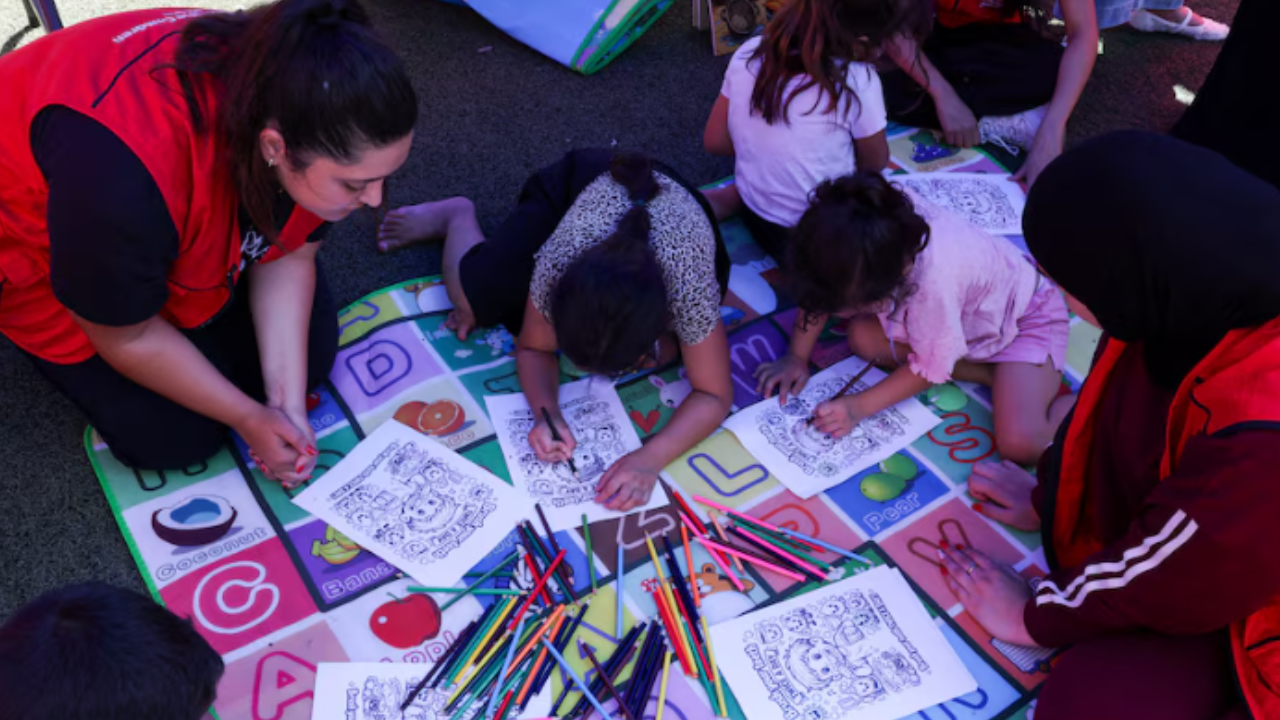
The schoolyard in southern Lebanon echoed with the squeals of playing children despite the beating sun and distant booms of Israeli airstrikes. But for most of the youth there, the public school isn’t where they learn. It’s where they live.
Thousands of children remain displaced from their hometowns in Lebanon’s south six months after a new war erupted between Israel’s military and armed group Hezbollah. Many still live in schools-turned-shelters, while others are squeezed into rented apartments with their extended families.
As schools gear up for a new academic year beginning on September 15, families who sought shelter in public schools are wondering where they will go — and how their children can pick up schooling amid so much uncertainty.
Najah Ammar, a grandmother of four school-aged children, hails from the coastal village of Mansouri, but fled Israeli strikes to the public school in the city of Tyre, about 10 km (6 miles) north. About 200 other families now live in the school.
Ammar, 62, has two worries: where she’ll live if the school reopens, and how her grandchildren can catch up after losing years of schooling during repeated conflicts between Israel and Hezbollah since 2023.
Since March 2, Israeli strikes have killed more than 4,300 people in Lebanon, including more than 250 children, and wounded another 12,000, including 1,000 children, according to Lebanon’s health ministry.
At the fighting’s peak, more than one million people — nearly a quarter of the population — were displaced. Most have returned home but more than 340,000 remain displaced, because their hometowns are destroyed or fall within territory occupied by Israel’s military.
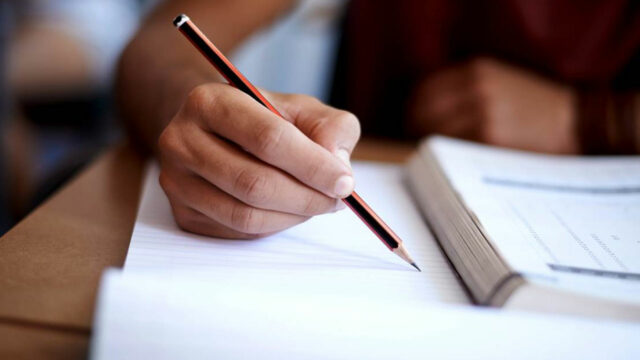
Rula al-Awad, a 27-year-old mother of two also displaced from Mansouri, said she lacked the education to help her daughter through online classes, but brings her pen and paper so she can at least keep writing.
Awad is staying in an apartment but brings her two children to the Tyre school to play and wants to enroll them for the new year. Yet she fears she won’t be able to afford schoolbooks or uniforms.
Zeinab Moussa, 56, who lives in tents in the school hall with her sons and grandchildren, says the children can only snatch brief moments of happiness.
Out of nearly 80 public schools still used as shelters as the school year approached, almost half have been emptied and will reopen as schools, Lebanon’s education ministry told Reuters. About 30 will partially reopen while continuing to serve as shelters, leaving nine schools still fully used as shelters.
Another 50 Lebanese public schools have been destroyed or severely damaged in the war, and more than 200 others have suffered moderate or minor damage, the ministry said. The United Nations said the impact on schools would jeopardize the new school year for at least 100,000 children.
Last month, the Lebanese army said Israeli troops had blown up a public school and a kindergarten in the southern village of Zawtar al-Sharqiyeh. The Israeli military did not immediately respond to Reuters questions on the school.
Lebanon’s Education Minister Rima Karami said this week she aimed to ensure as many students as possible from the south could continue their education, whether in their hometowns, if safe, or in displacement.
Save the Children, which is supporting the Tyre school, said only a durable ceasefire could resolve the crisis.