 Litia Cava
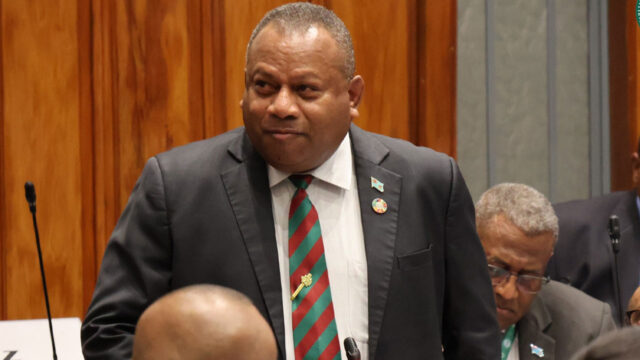
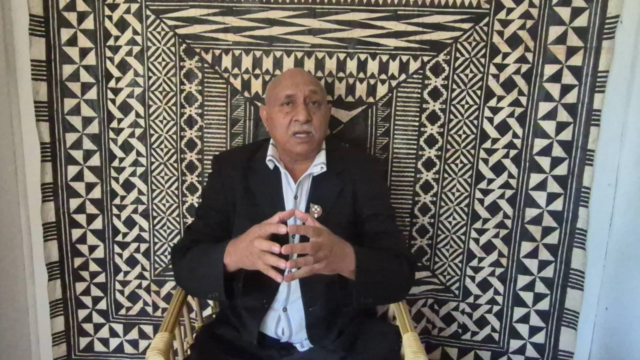
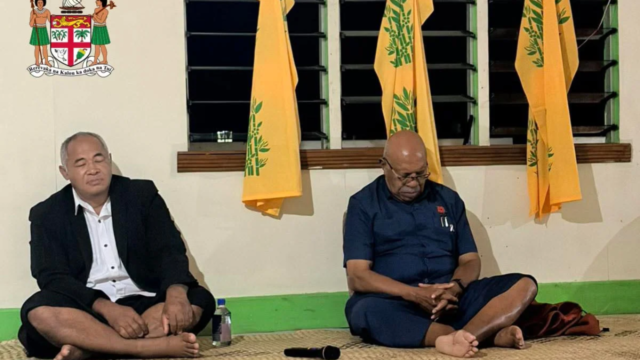
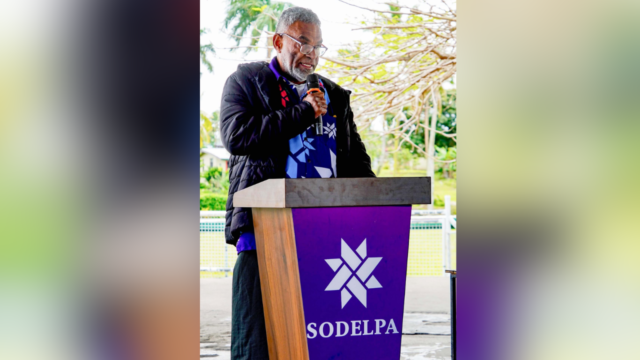
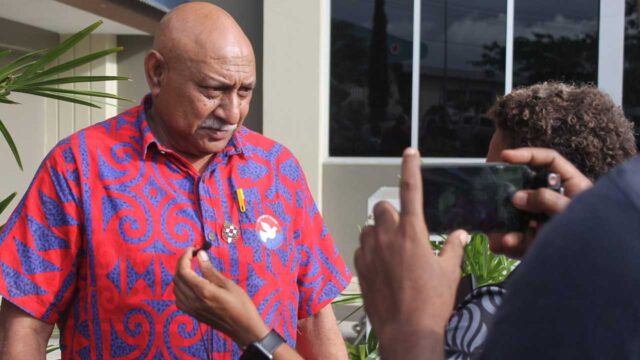
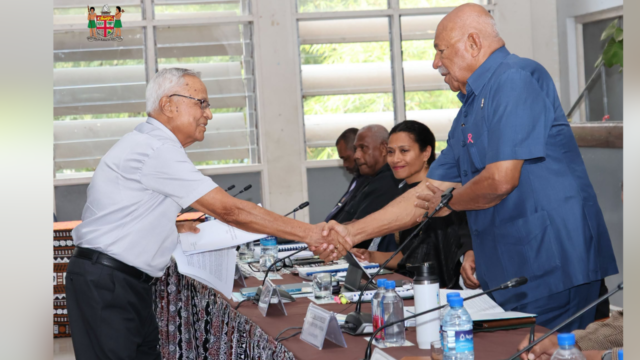
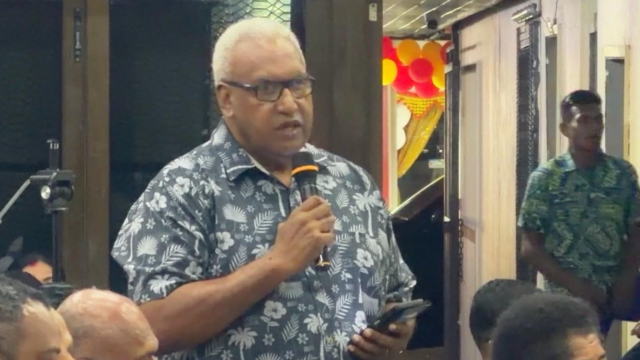
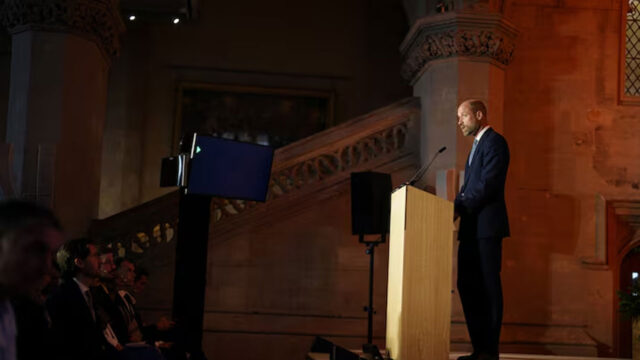
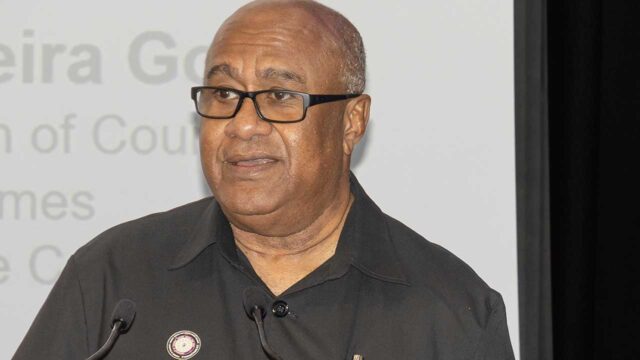
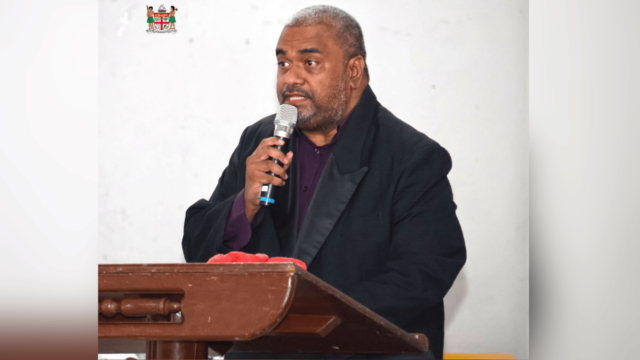
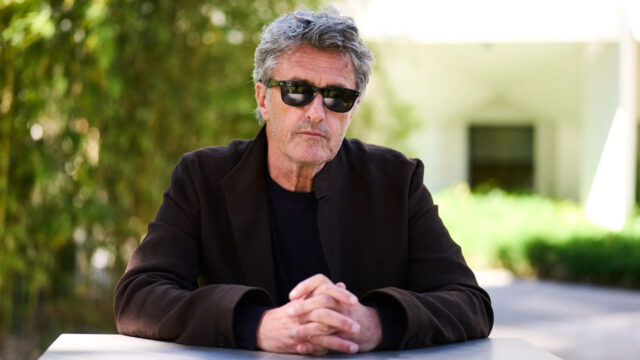
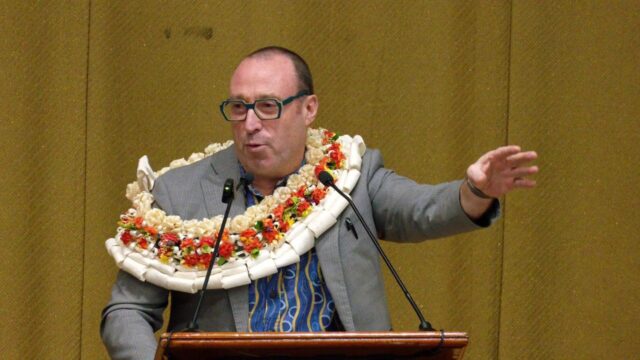
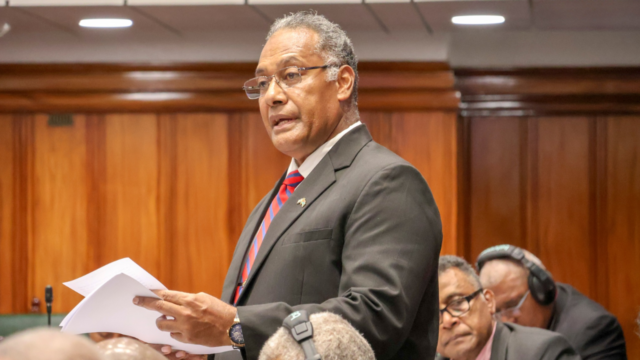
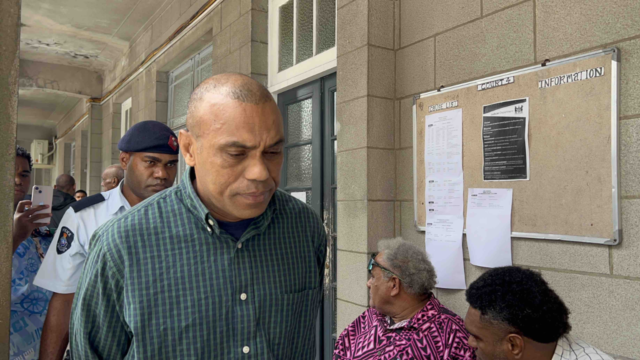
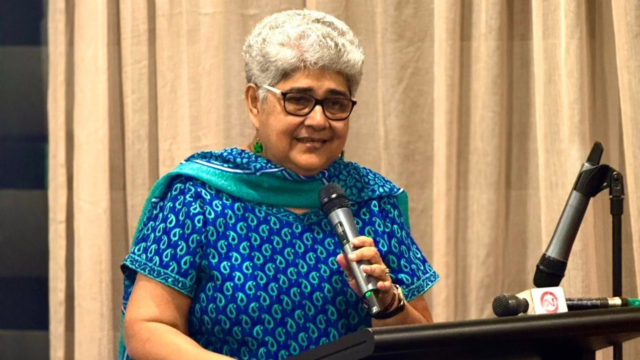
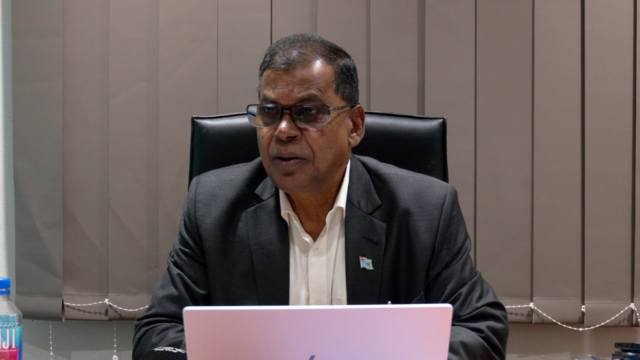
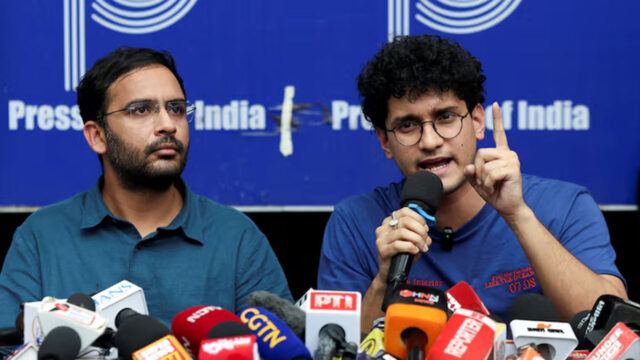
State of the Economy Dialogue 2026 Panelists [Photo: Litia Cava]
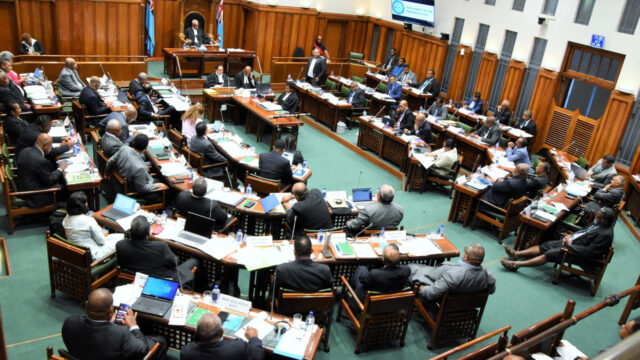
The increase in ministerial positions and related costs, including salaries, vehicles, support staff, travel and administration is tightening pressure on Fiji’s public finances.
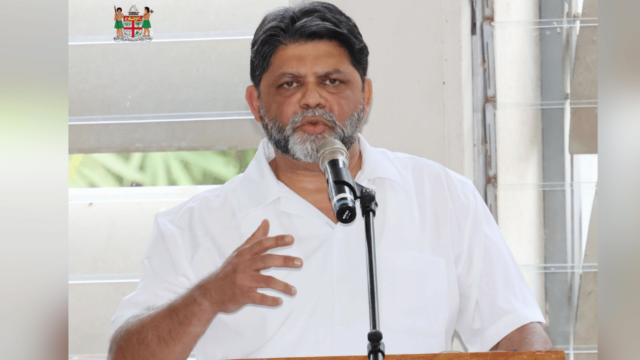
This, according to former Finance Minister Aiyaz Sayed-Khaiyum.
He said the combined effect of these expenses was significantly tightening the national budget.
“When you have an entire political party, the largest political party, having every single member of its parliament being made ministers and assistant ministers, you tend to worry. The other two coalition partners, maybe you can agree, because that was what was needed to entice them all to join the government. But it’s not just about minister salaries.It’s about all the ancillary stuff that comes along with it. The cars, the permanent secretaries, the secretaries, the travel expenses, etc. The second thing, of course, is that was increased when it was not required to be increased.”
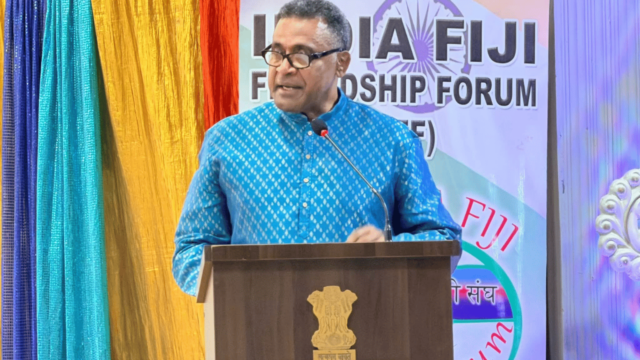
Speaking at the State of the Economy Dialogue 2026, Sayed-Khaiyum said the structure of government spending has shifted in a way that is undermining fiscal stability, with recurrent expenditure increasingly crowding out investment in development.
According to his estimates, Fiji’s fiscal deficit has climbed beyond six percent, while total government spending has increased from about $3.7 billion in 2022 to around $4.8 billion today. He argued that the composition of that spending is more concerning than the headline figures, with operating costs now absorbing the bulk of the budget.
Roughly $3.9 billion of current , according to Sayed-Khaiyum is directed toward operating costs such as wages, administration, and institutional overheads, leaving limited room for capital investment that drives long-term growth.
Sayed-Khaiyum argued that these cumulative expenses reflect deeper structural inefficiencies in public spending, warning that they reduce the government’s ability to respond to economic shocks or provide meaningful fiscal stimulus.
The former minister also highlighted growth in the public sector workforce, saying civil service numbers have increased from around 34,000 in 2022 to approximately 38,000. He said this has pushed wage expenditure from about $1 billion to $1.3 billion.
When statutory bodies are included, he estimated the public payroll could be closer to 42,000 employees, further tightening fiscal space and limiting flexibility in budget management.
Sayed-Khaiyum said the imbalance between operating and capital expenditure has significant long-term consequences, arguing that insufficient investment in infrastructure and productive sectors weakens the economy’s capacity to grow sustainably.
He also pointed to policy decisions affecting taxation and incentives, questioning why large foreign companies have been granted tax holidays while small and medium-sized enterprises continue to face rising costs and limited support.
He cited the example of Fiji Water in his remarks, using it to highlight what he described as uneven treatment in the tax system.
According to him, such measures risk widening inequality and undermining the domestic business base, which he described as the backbone of employment in Fiji.
Beyond fiscal issues, Sayed-Khaiyum said Fiji must also contend with external risks, including geopolitical tensions and global economic uncertainty, which could further strain public finances.
He also raised structural concerns in areas such as land tenure, arguing that short-term lease arrangements continue to discourage long-term commercial agricultural investment and limit productivity growth.
Sayed-Khaiyum urged a reset in spending priorities, calling for tighter control of operating expenditure and a stronger focus on capital investment.
He said that without such adjustments, Fiji risks prolonged fiscal strain, reduced growth potential and weakened capacity to respond to future economic shocks.