 Litia Cava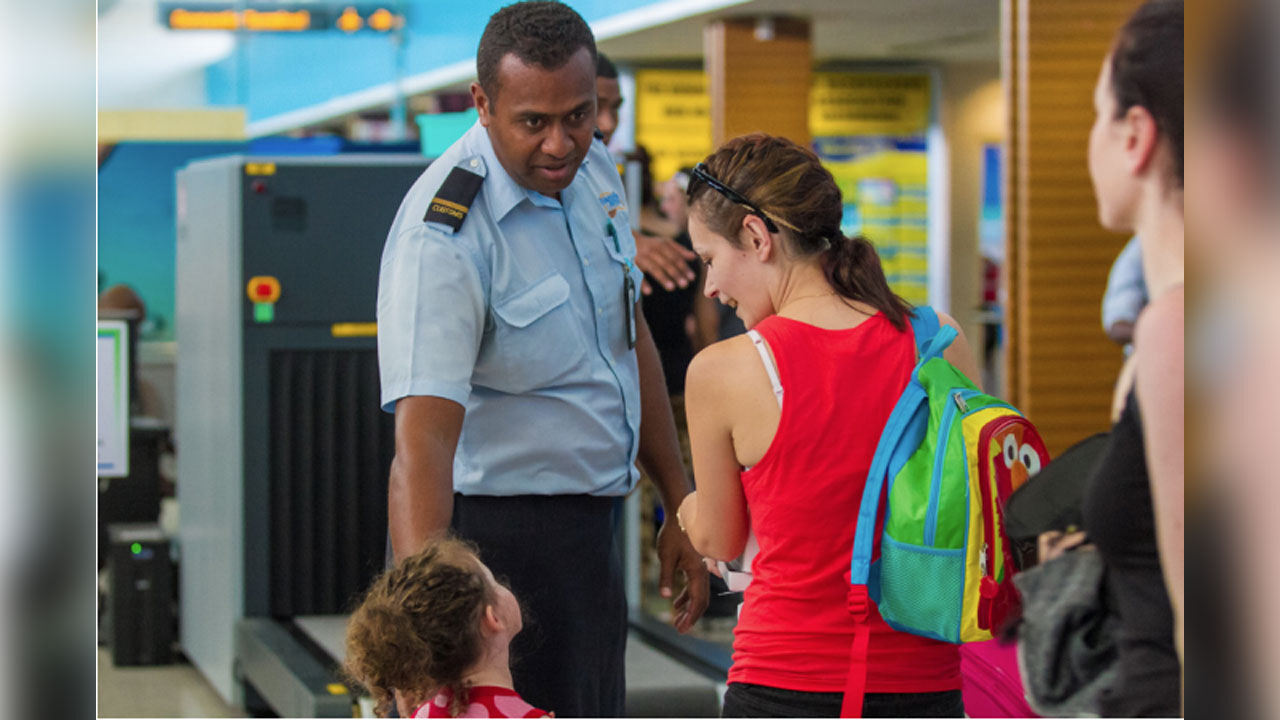
[Photo: FILE]
Fiji’s growing reliance on Australian technology and expertise is raising questions over whether the country has the capacity to manage and sustain its own border security systems.
The concern comes as the proposed Vuvale Union is set to deepen Australia’s role in Fiji’s border management.
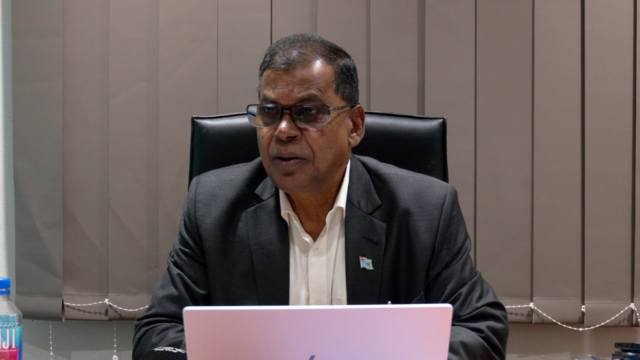
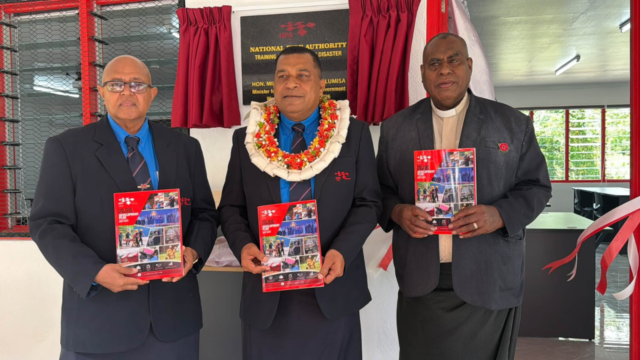
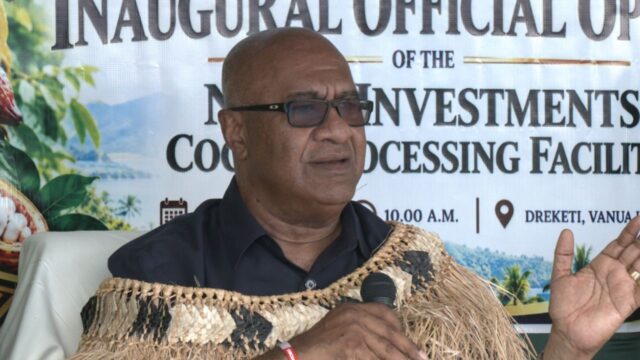
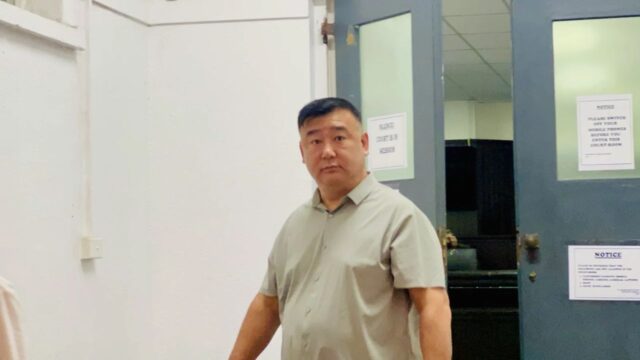
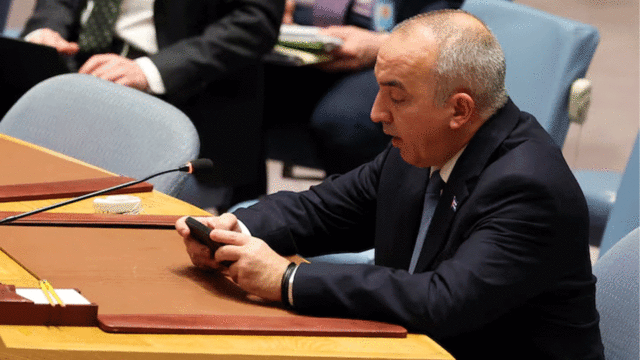
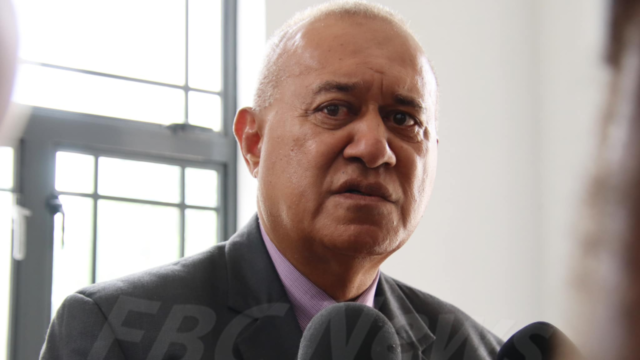
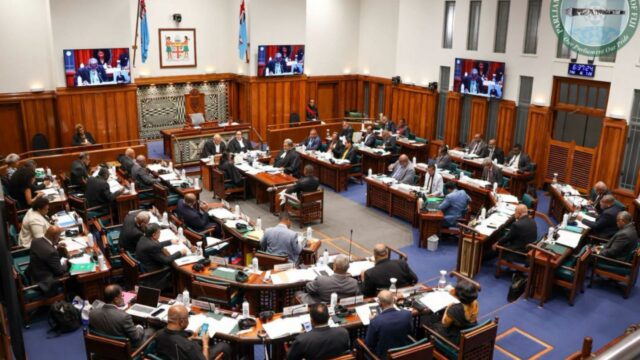
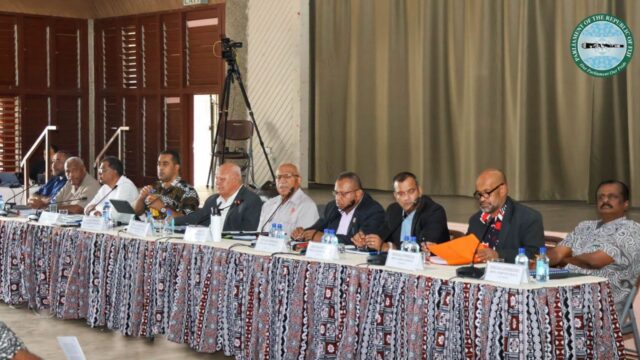
Permanent Secretary for Immigration Aliki Salusalu told the Parliamentary Standing Committee on Foreign Affairs and Defence that Australia has already provided Fiji with specialised equipment, technology, systems and training that are not readily available locally.
He said the assistance has strengthened the Ministry of Immigration’s operational capability and will form the foundation for deeper cooperation under the Vuvale Union.
For Fiji, the implications go beyond training or equipment.
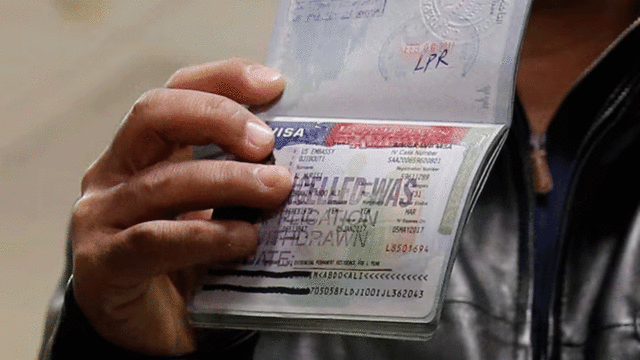
The cooperation will give immigration authorities greater access to passenger information, risk profiling, document verification, intelligence sharing and digital border systems.
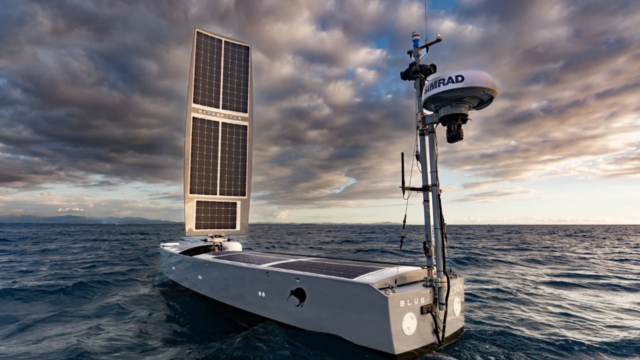
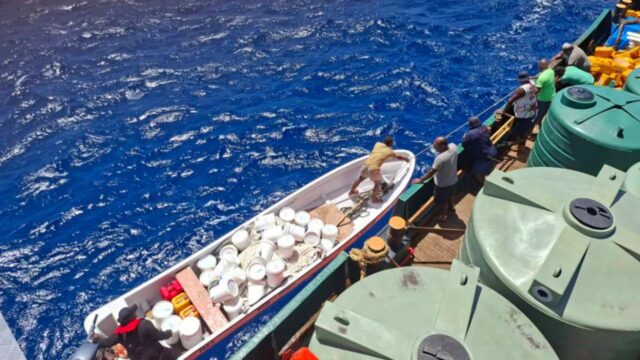
“We have a big ocean. We are so fortunate that we have a big ocean, but the policing of this big ocean becomes a challenge to our nation.”
Salusalu said Australia has already supported Fiji through Australian Border Force training, including targeting and profiling passengers.
A more significant change is now approaching.
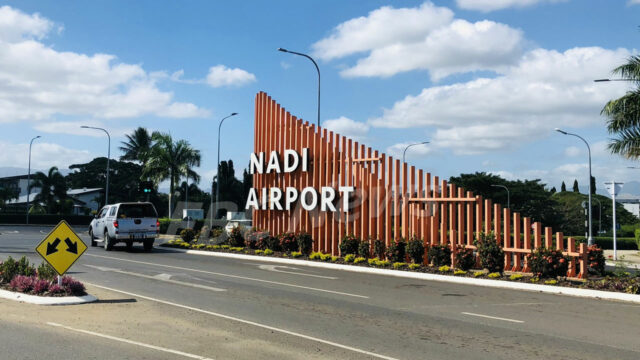
From November 2, Fiji is expected to begin receiving Advanced Passenger Information and Passenger Name Record data.
API provides passenger information, while PNR contains booking and travel-related information.
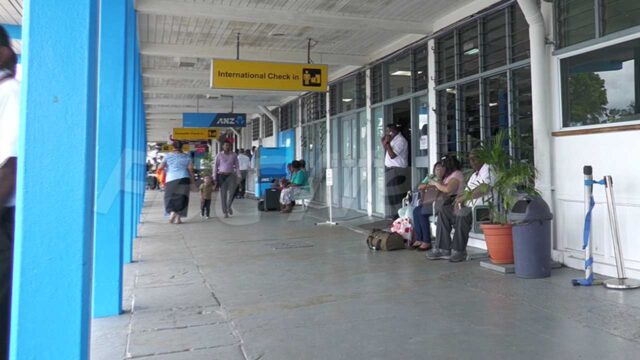
Salusalu said the systems would allow Fiji to assess passengers before they board a flight to the country.
This shifts part of Fiji’s border screening from the airport to the point before a passenger even leaves their destination.
The system could give authorities more time to identify people considered a potential risk.
But it also places greater demands on Fiji’s immigration institutions.
Salusalu acknowledged that the new technology will require adequate staffing, specialised skills, ICT infrastructure, cybersecurity, maintenance and continued professional development.
He said deeper cooperation and greater responsibility must be matched by institutional capability and sustainable resources.
That is a critical issue for Fiji because the systems being introduced are not stand-alone tools.
They require trained officers, reliable infrastructure, secure data handling and the ability to maintain the technology over time.
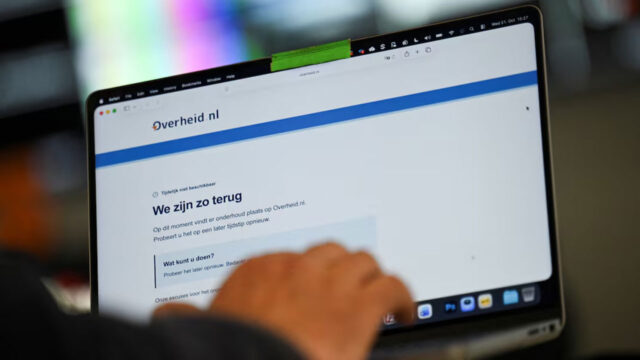
The Ministry is also replacing its existing Integrated Border Management System with the MERIT system.
Salusalu said the current system has created difficulties because technical support is provided from a different time zone.
He said the MERIT system would provide more timely support because Fiji and Australia operate within the same time zone.
The change is part of a broader overhaul of Fiji’s border management capability.
Salusalu said the ministry was working across travel documents, permits and visas, citizenship, border management, security and enforcement.
He said amendments to immigration legislation were passed by Parliament on May 28, with regulations now being developed for the law to commence.
The Permanent Secretary linked these changes directly to concerns about people leaving Fiji under questionable circumstances.
He said the amended legislation and improved systems should help the ministry address some of the issues raised during earlier committee sessions.
Under the proposed Vuvale Union, immigration is tied to several areas of cooperation.
Salusalu said he was part of the team that worked with Australia on the design of the treaty and attended about eight meetings, including discussions in Canberra.
The PS acknowledged that strengthening the ministry’s organisational capacity will be essential if Fiji is to fully realise the benefits of the Vuvale Union.
He said the objective was not to make Fiji’s borders more restrictive.
Instead, the aim is to make them smarter, more secure, more efficient and more responsive to emerging threats.