 Litia Cava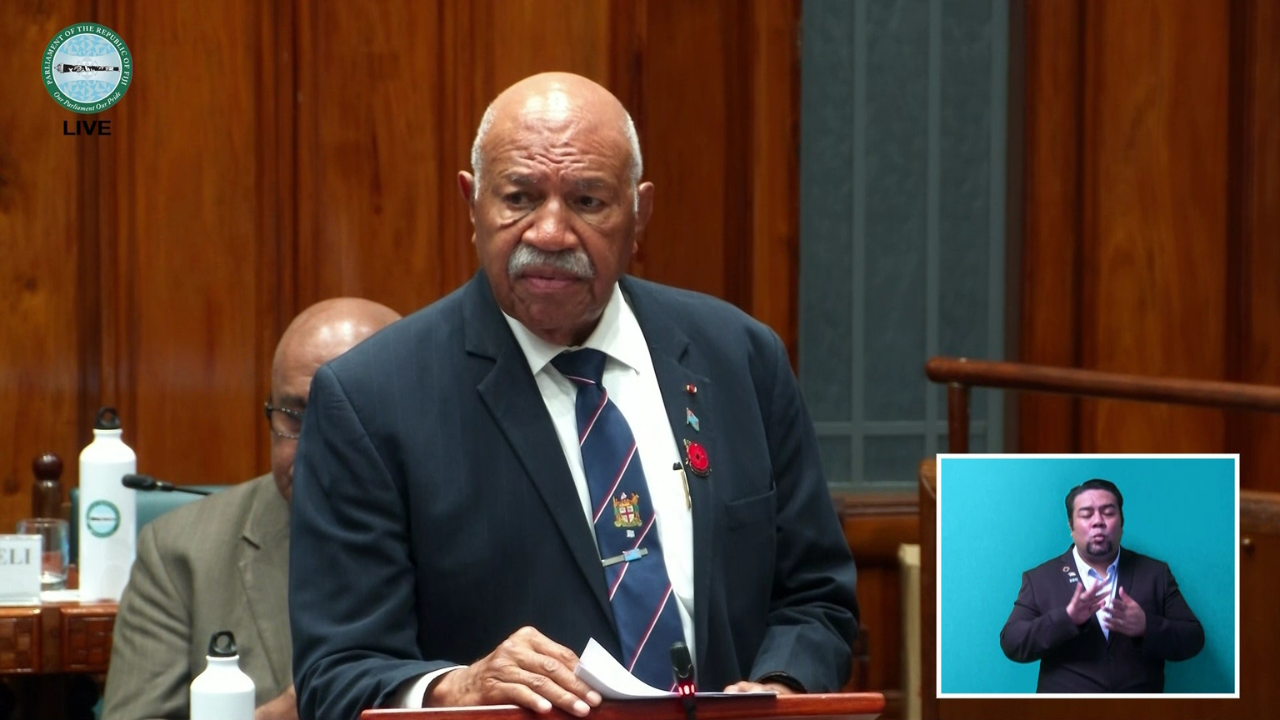
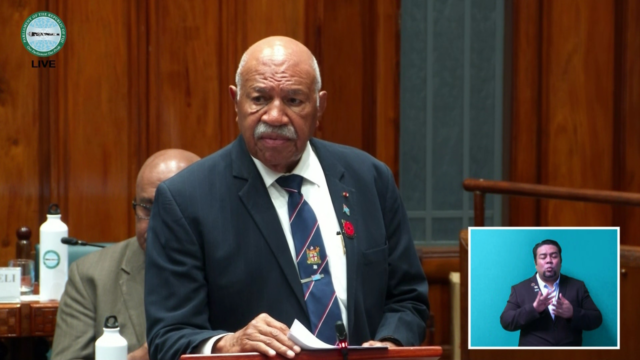
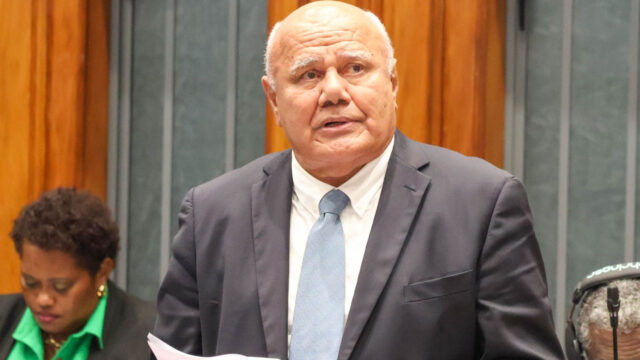
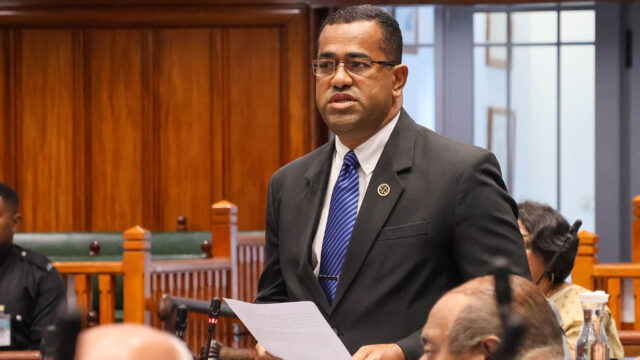
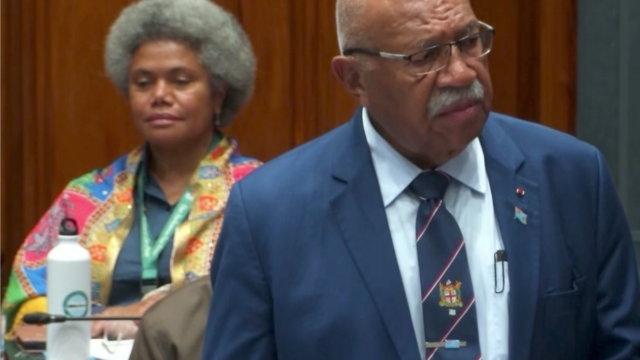
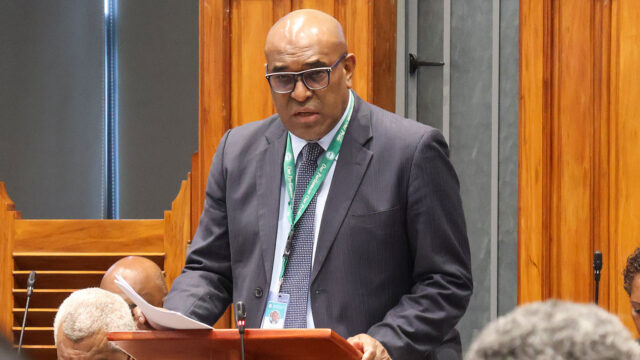
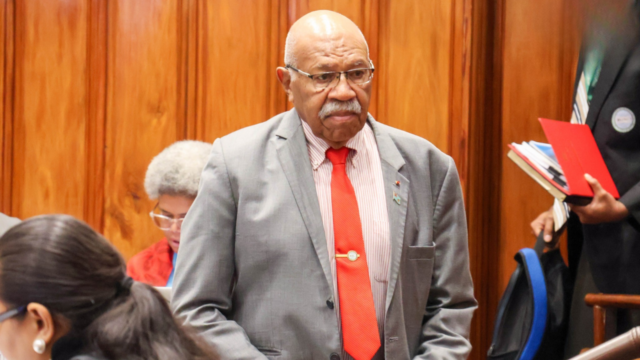
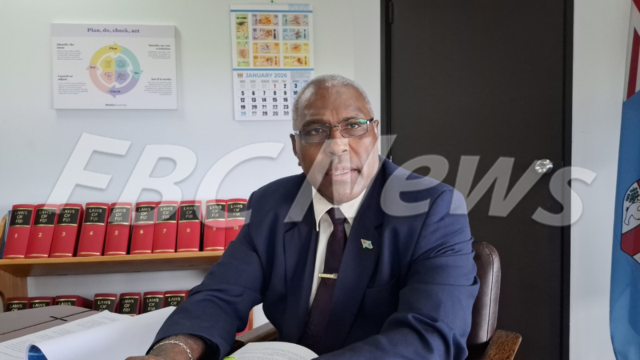
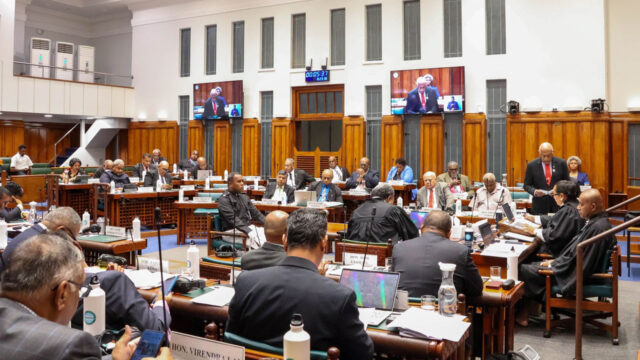
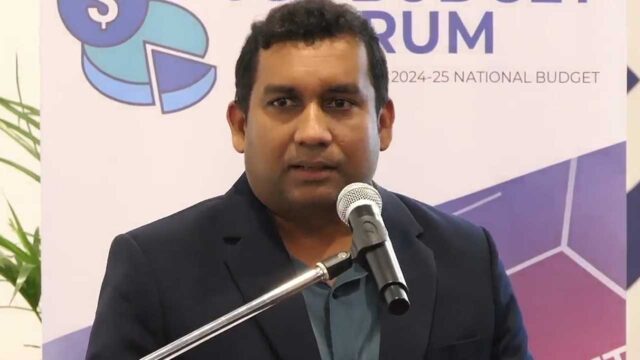
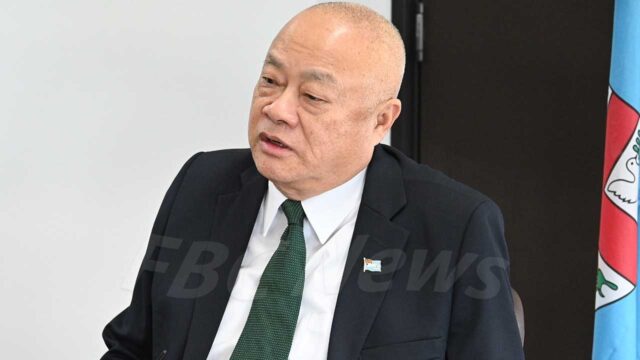
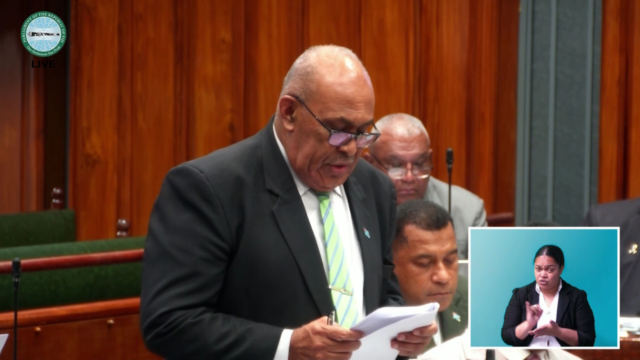
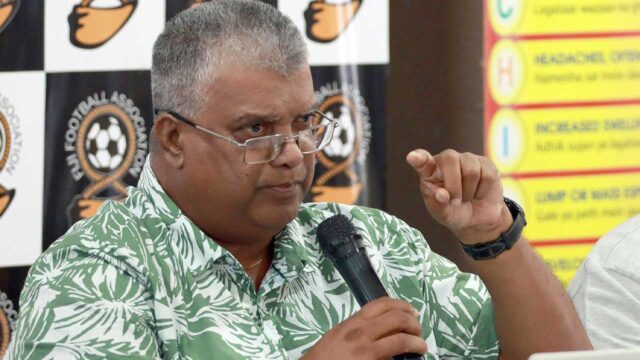
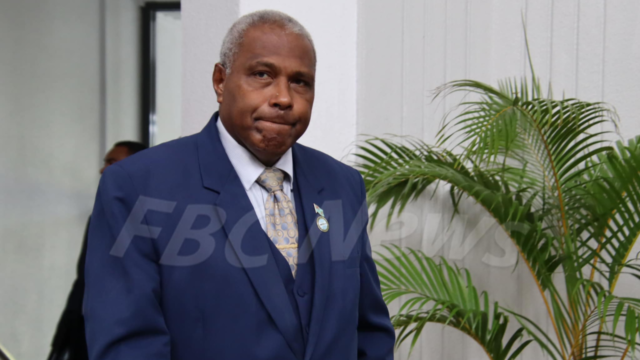
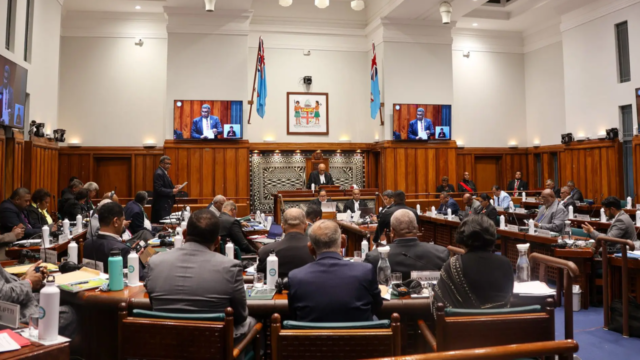
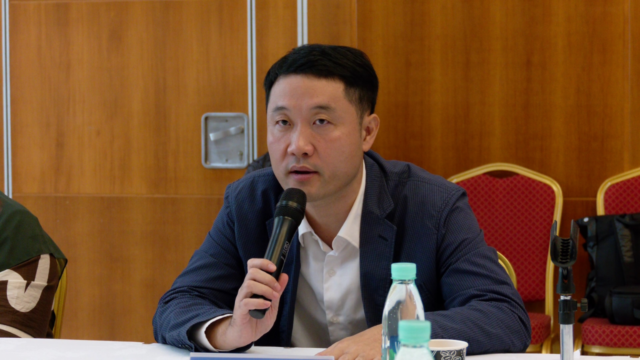
PM Sitiveni Rabuka during debate on the proposed Constitution in Parliament.
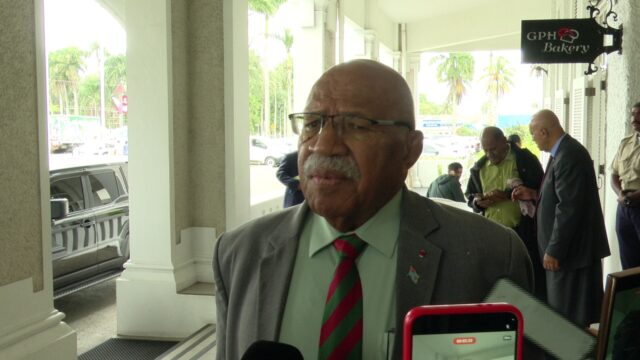
Prime Minister Sitiveni Rabuka says the proposed Constitution is not intended to create immunity.
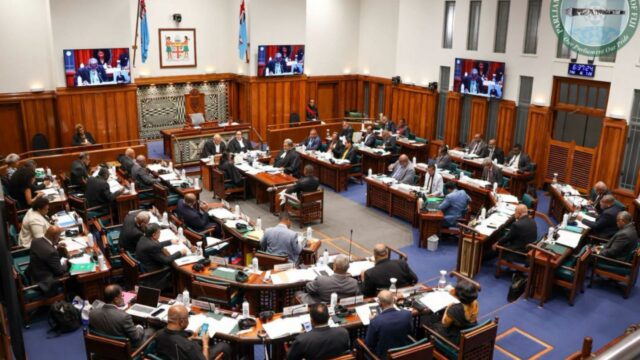
Parliament is considering a Bill that retains and expands the existing immunity provisions.
Rabuka says Chapter 14 deals with immunity because the government has to take into account the Supreme Court’s 2025 opinion on the existing constitutional provisions.
The Supreme Court affirmed that the 2013 Constitution remains legally effective. It also addressed the existing immunity provisions, which are protected from amendment under the current Constitution.
The Government’s Bill would retain existing immunities and provide additional protections for specified state officials for conduct dating from December 5 2006 until the first sitting of the first Parliament elected under the proposed Constitution.
The proposed provisions cover the President, Prime Minister and Cabinet Ministers, members of the military, Police and Corrections, the Judiciary, public servants and other public office holders.
Rabuka says the immunity provisions are not an attempt to give immunity to particular individuals.
The immunity provisions, he states are one of several areas where the Government’s Bill differs from the Constitutional Review Commission’s recommendations.
The Commission had recommended removing the existing immunity chapter from the new Constitution.
The proposed Constitution also makes major changes to Fiji’s system of government.
It would restore a bicameral Parliament, with a House of Representatives and a 23-member Senate.
Rabuka says the Senate would provide another level of consideration and review of legislation. Fourteen senators would be appointed on the advice of the Bose Levu Vakaturaga, with further appointments made on the advice of the Prime Minister, Opposition Leader and Rotuma Island Council.
The Bill also proposes changes to fundamental rights, customary land, natural resources and environmental protection.
Rabuka says the proposed framework recognises the right to a clean and healthy environment and provides for consultation with communities affected by major development and resource projects.
Prior and informed consent would also be required in specific circumstances.
On land, the Bill would strengthen protections for customary land and related rights, including interests in the foreshore, seabed, reefs and riverbeds.
It would also recognise existing freehold land, leases and tenancies.
The proposed Constitution gives constitutional recognition to the Bose Levu Vakaturaga and provides for iTaukei and Rotuman customary law to be recognised as a source of law, subject to the Constitution and legislation.
The Bill, according to the PM is based on the Constitutional Review Commission’s draft Constitution but the government has made changes where it considers them necessary.
This, he adds is part of the constitutional process and not a departure from it.
The Commission held consultations at 105 venues around Fiji and received submissions from individuals, communities and a wide range of organisations.
Rabuka says the consultation process also allowed written and online submissions for people unable to attend meetings.
He says not every political party participated but the opportunity to contribute was provided.
The PM has urged Parliament to consider the Bill on its principles and merits as debate continues.
If it secures the required support, it will proceed to a special parliamentary committee for further consideration and public submissions.
The government has proposed a 10-member committee, with seven members from the government and three from the Opposition.
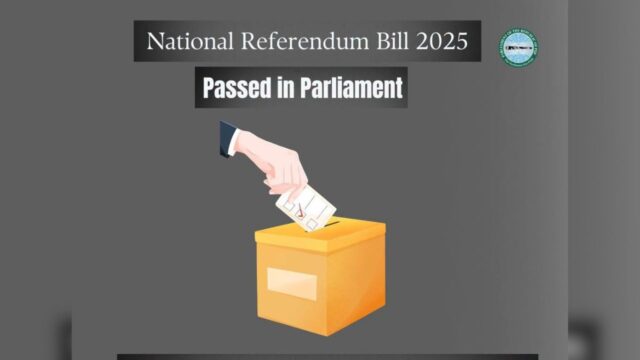
A third reading would then require another two-thirds majority before the proposed constitutional changes can proceed to a referendum.