 Apenisa Waqairadovu
[Photo: FILE]
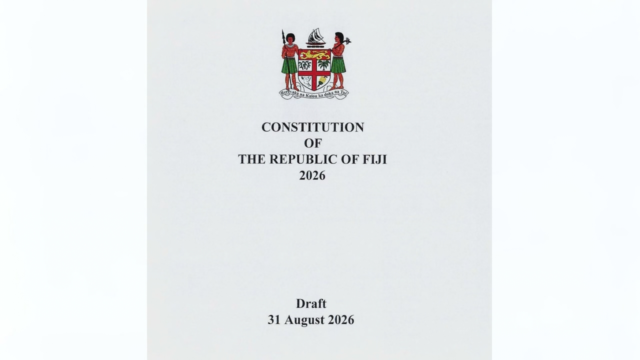
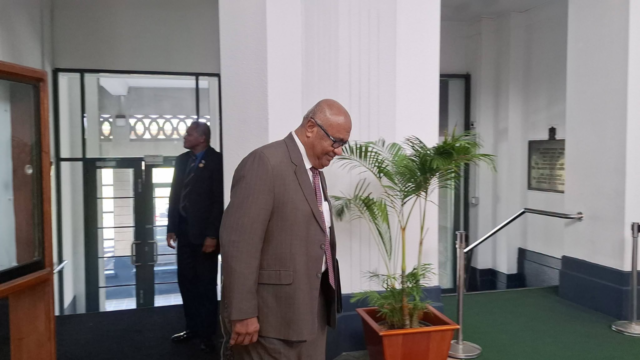
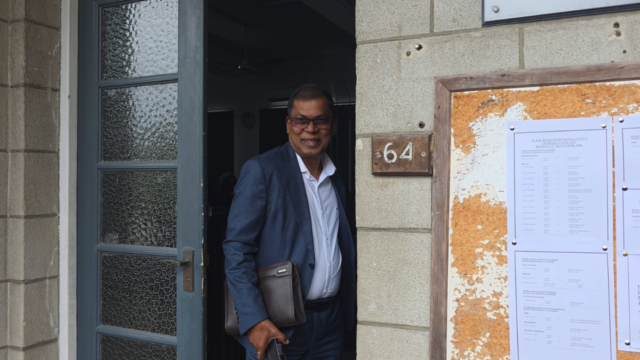
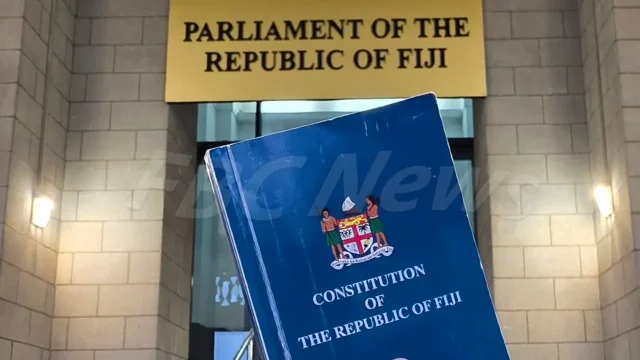
Prime Minister Sitiveni Rabuka could face a constitutional barrier to serving a third term as Prime Minister if the proposed Constitution is passed in its current form.
The draft says that where one political party wins more than half of the seats in the House of Representatives, that party has the right to name the Prime Minister.
But it cannot choose someone who has previously been appointed or elected Prime Minister on two previous occasions.
Rabuka has already served twice as Prime Minister, first from 1992 to 1999 and then again since 2022.
This means the provision, as currently worded, would prevent his party from selecting him for a third appointment if it wins a majority at the next general election.
Rabuka could still contest the election and serve as a Member of Parliament, but the draft sets a separate restriction on becoming Prime Minister.
The proposed Constitution also changes the rules for removing a sitting Prime Minister.
A Prime Minister could only be dismissed through a motion of no confidence, and the motion must name another MP to take over the position.
The motion would have to be voted on within 24 hours and would require the support of a majority of MPs.
If successful, the Prime Minister would immediately lose office, Cabinet would resign and the person named in the motion would become Prime Minister after being sworn in.
But if the motion fails, MPs would have to wait at least six months before bringing another no-confidence motion against the same Prime Minister.
One important question remains, the draft expressly places the two-previous-occasions restriction in the provision dealing with a party winning more than 50 percent of seats, but does not repeat it in the section dealing with a hung Parliament.
That could become significant if no party wins a majority at the next election.