 Reuters
[Source: Reuters]
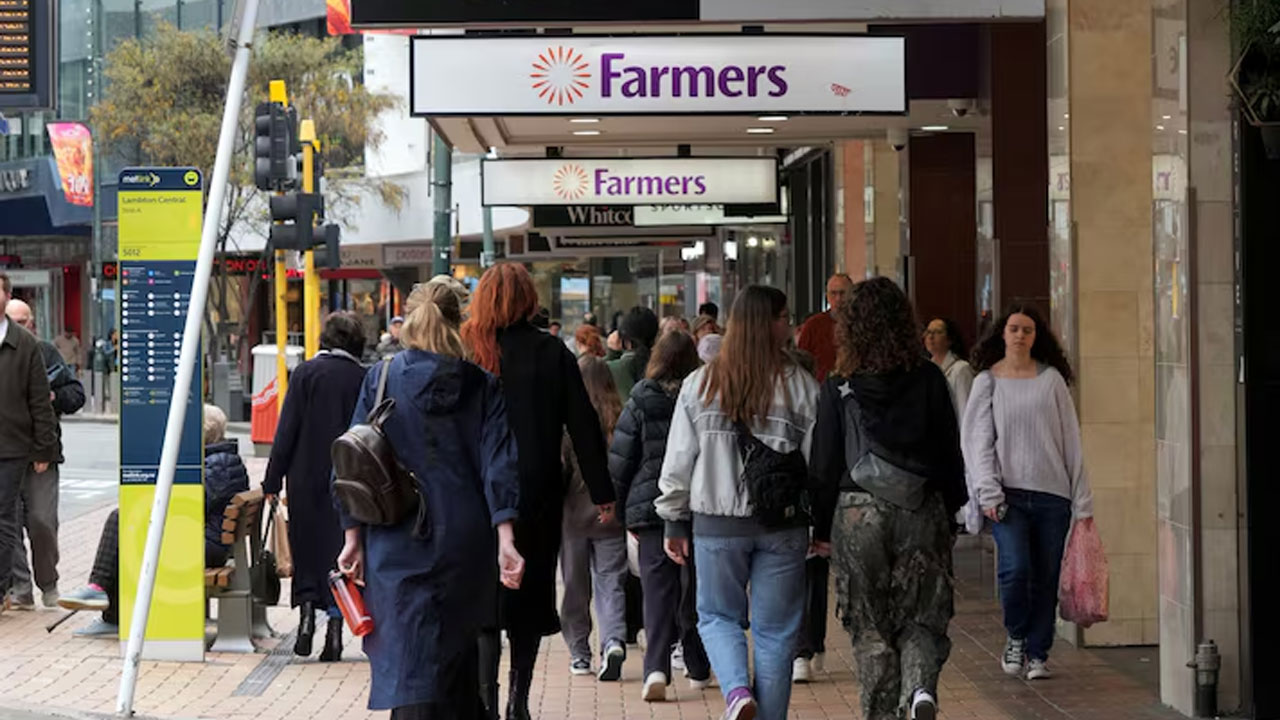
New Zealand’s jobless rate climbed to a decade-high in the June quarter as a sharp rise in the number of people looking for work outweighed gains in employment, a blow for the centre-right government months ahead of a general election.
Data from Statistics New Zealand out on Wednesday showed the unemployment rate rose to 5.6%, from an upwardly revised 5.4% the previous quarter, a sign of slack that could limit how high interest rates might rise this year.
That figure was the highest since late 2015 and topped market forecasts of 5.4%.
Finance Minister Nicola Willis said April, May and June were “difficult months for many employers”.
“For the New Zealanders who’ve been out there looking for work in that environment, we know it’s been hard going,” she said.
Prime Minister Christopher Luxon, a former airline executive, was elected in 2023 in part on his economic credentials, but has seen his popularity fall amid a weakening economy and higher unemployment.
Most voter surveys show Luxon’s National Party trailing the centre-left Labour Party, though the complexities of the country’s electoral system make November’s poll too close to call.
The Reserve Bank of New Zealand has flagged more rate hikes will be needed to remove stimulus from the economy and restrain inflation, so markets remain set for a hike in September.
Yet the scale of spare capacity in the labour force means wages are not a homegrown threat to inflation, arguing against an aggressive rate cycle.
“All told, the June labour force survey should reinforce the RBNZ’s gradual approach to withdrawing policy accommodation,” said Abhijit Surya, a senior APAC economist at Capital Economics.
“Accordingly, we’re sticking to our view that it will wait until October before hiking rates again, even though markets are expecting a 25bp hike as soon as September.”
The Reserve Bank of New Zealand lifted its official cash rate a quarter point to 2.5% in July as it sought to quell inflationary pressures in part driven by higher global oil prices.