 Riya Mala
[Supplied]
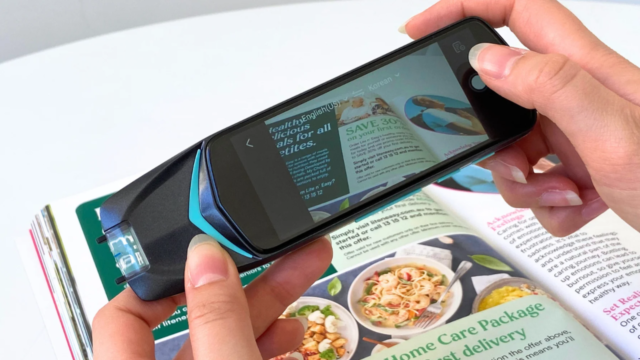
Thousands of children who need eyeglasses, hearing aids and mobility support continue to face barriers to accessing basic assistive technology, with only around 10 percent of people globally receiving the support they need.
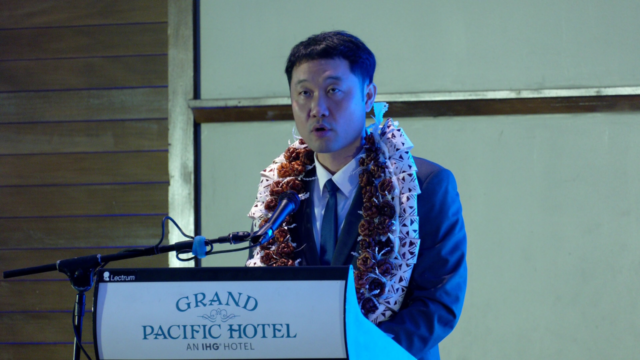
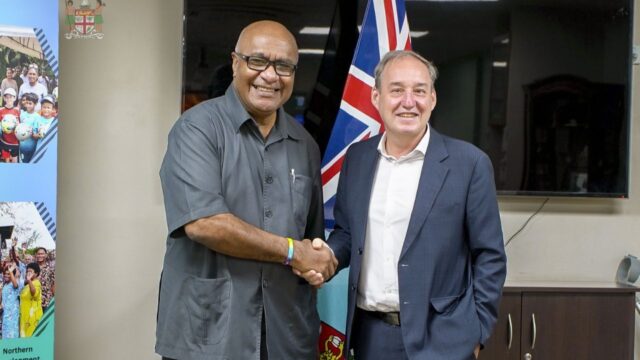
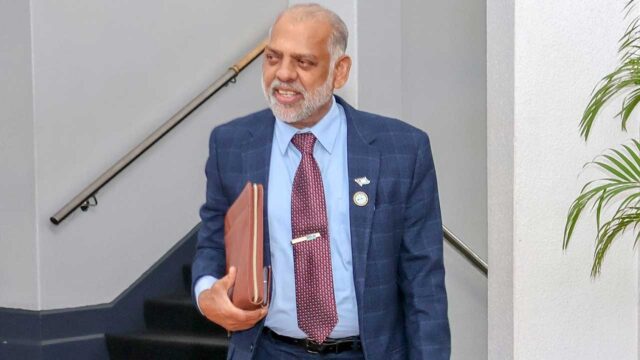
Global Partnership for Assistive Technology Chief Executive Parson Bijleveld says children in the Pacific face even greater challenges due to distance, limited specialist services and resource constraints.
He says when these needs are not met, children can face lifelong impacts on their education, health, independence and future opportunities.
Bijleveld adds that investing in assistive technology also brings economic benefits, with studies showing that every one dollar invested can generate a nine-dollar return to society.
“A pair of eyeglasses, a hearing aid or a mobility device can transform a child’s life, enabling them to learn, participate fully, build confidence and thrive both in school and in their communities. Ensuring that children have access to the right assistive products and services when and where they need them is therefore not simply about providing technology.”
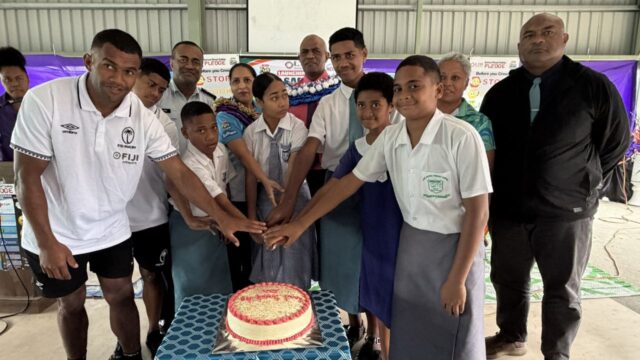
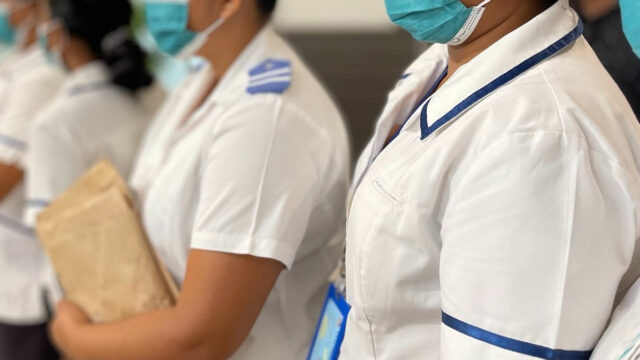
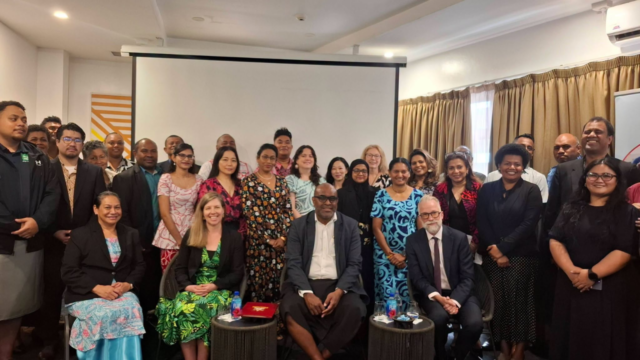
He says Fiji’s new SPARK Fiji programme will be rolled out in schools to strengthen screening and referral services for hearing, vision and mobility needs.
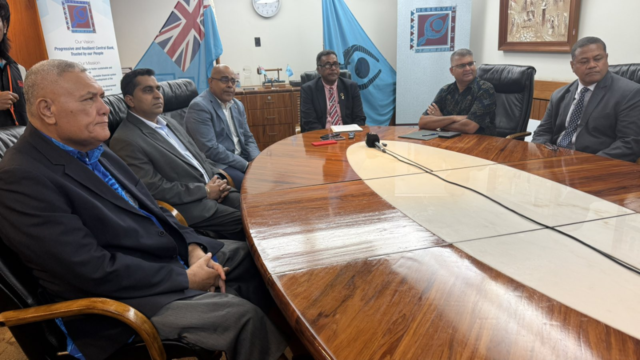
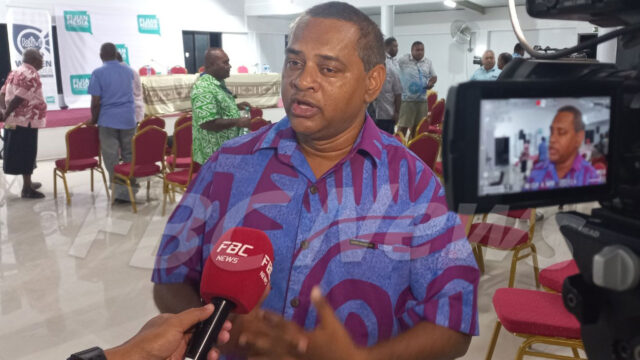
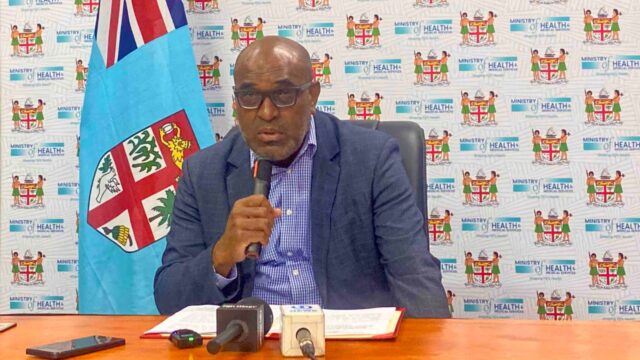
Health Minister Dr Atonio Lalabalavu says the programme will be rolled out across all 21 subdivisions, including children in special schools, communities, outer islands and those who are out of school.
“The Ministry of Health will lead, working closely with the Ministry of Education, the Ministry of Human and Children and Social Protection, disability organisations, civil society and our development partners. Importantly, this programme will strengthen Fiji’s existing systems rather than create parallel structures.”
The programme aims to ensure every child, regardless of where they live, has access to the support they need to learn and thrive.